Divjaka National Park Guide: What to See in Fier
Plan a visit to Divjakë-Karavasta National Park in western Albania, from the Karavasta Lagoon and its pelicans to the pine forest, trails and getting there.
On this page
Divjakë-Karavasta National Park is a birding stop on Albania's Adriatic coast, not a beach day with wildlife attached. The reason to go is the Karavasta Lagoon and its nesting Dalmatian pelicans, supported by pine forest, dunes and sandy islands that together pull in a long list of waterbirds. This guide covers what the park contains, how to reach it from Tirana, Durrës or Lushnja, and how to shape a visit around the visitor centre, tower and trails.
What Divjakë-Karavasta National Park is and where it sits
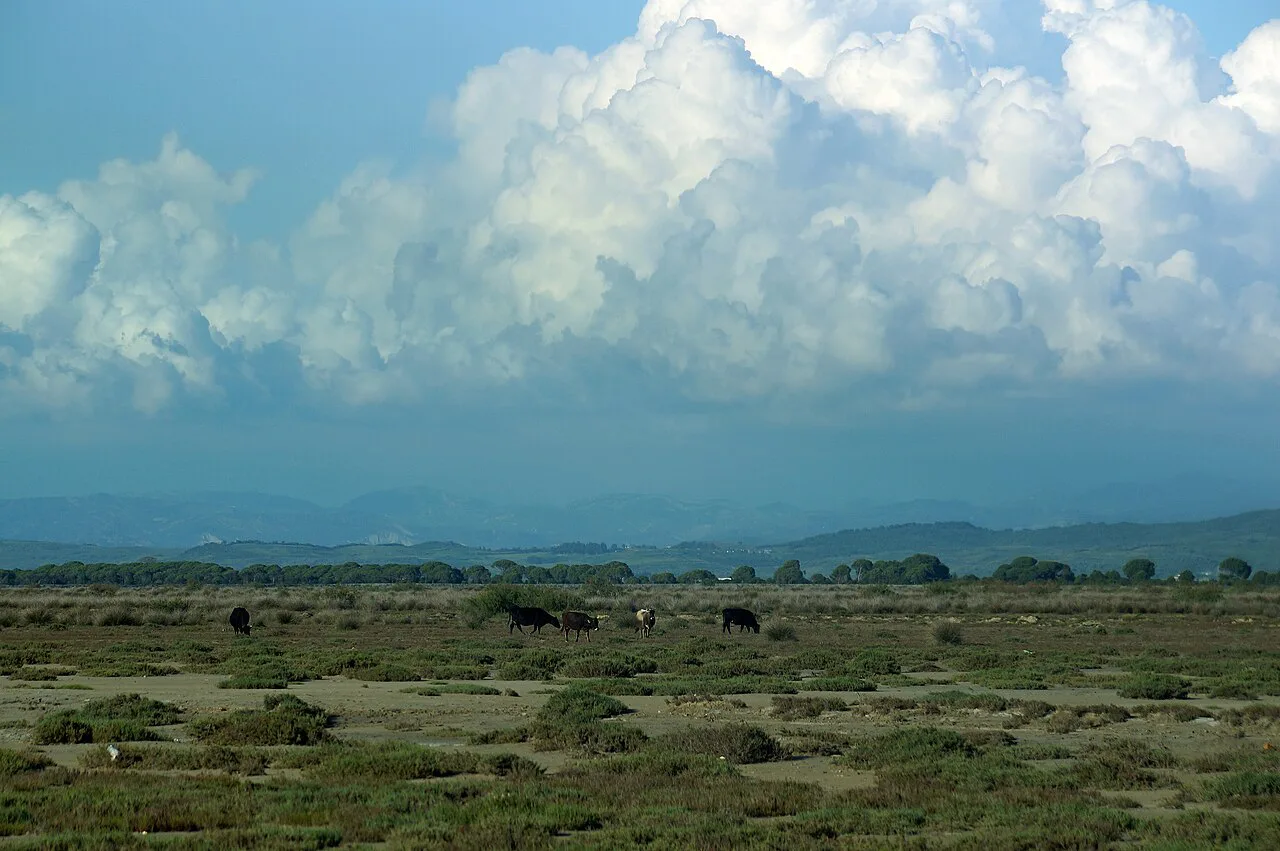
The park spreads across the Myzeqe Plain in direct proximity to the Adriatic Sea, in western Albania. It lies between the Shkumbini River in the north and the Seman River in the south, with the Karavasta Lagoon separated from the sea by a long sandy barrier. Lushnja is the largest city near the lagoon, with Divjakë the town at the park's edge.
For orientation, the park lies on the Adriatic coast about 90 km from Tirana and 60 km from the Port of Durrës, and roughly 40 km west of Lushnja. Those are straight figures from the park guide map and the birding listing rather than driving times, so allow extra for the final stretch of minor roads and signs through Cerma and Sipërme toward Divjakë.
How big the park is and what the Karavasta Lagoon covers
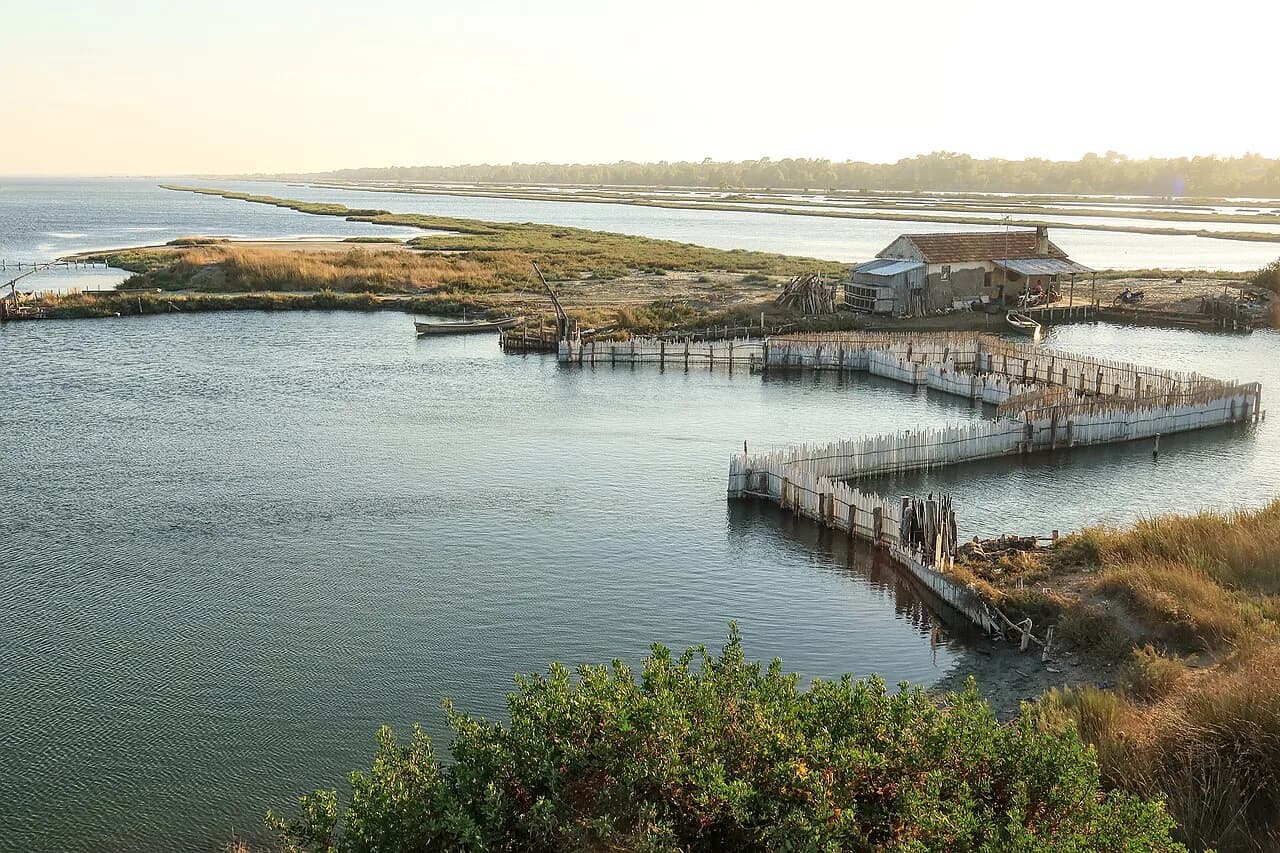
The national park was founded in 2007 and covers 222 km², with the guide map giving a territory of 22,389 hectares and the Dinarides network listing 22,230.2 hectares. Within that, the Karavasta Lagoon alone spans 42 km², making it the largest lagoon in Albania and one of the largest adjoining the Mediterranean Sea.
The park is not one lake but a composite: four lagoons totalling roughly 5,000 hectares, sand dunes, a river delta and a belt of Mediterranean pine forest. It has been on the Ramsar list of wetlands of international importance since 1994. Treating it as a single viewpoint is the common mistake; the parts are spread out and you move between them by road, footpath or boat.
The Dalmatian pelicans and other birds you can see
The lagoon is known for the Dalmatian Pelican, with 5% of the world's population found in the bay and about 6.4% of Europe's population recorded there. The pelicans now nest only on the sandy islands in the lagoon, having been disturbed elsewhere in the bay. Those islands also shelter other nesting birds such as Collared Pratincole and Little Tern, which use them for safety from predators and people.
Beyond pelicans, expect Greater Flamingo, Black-winged Stilt, Kentish Plover, Eurasian Curlew, Dunlin, Common Greenshank, Pygmy Cormorant, European Bee-eater and Golden Oriole, among a recorded 230 species. The birding listing describes the park as good all year round, with spring and autumn migration the strongest windows. Bring binoculars at minimum; a telescope is genuinely useful across the open water.
Pine forest, sand dunes and sandy islands
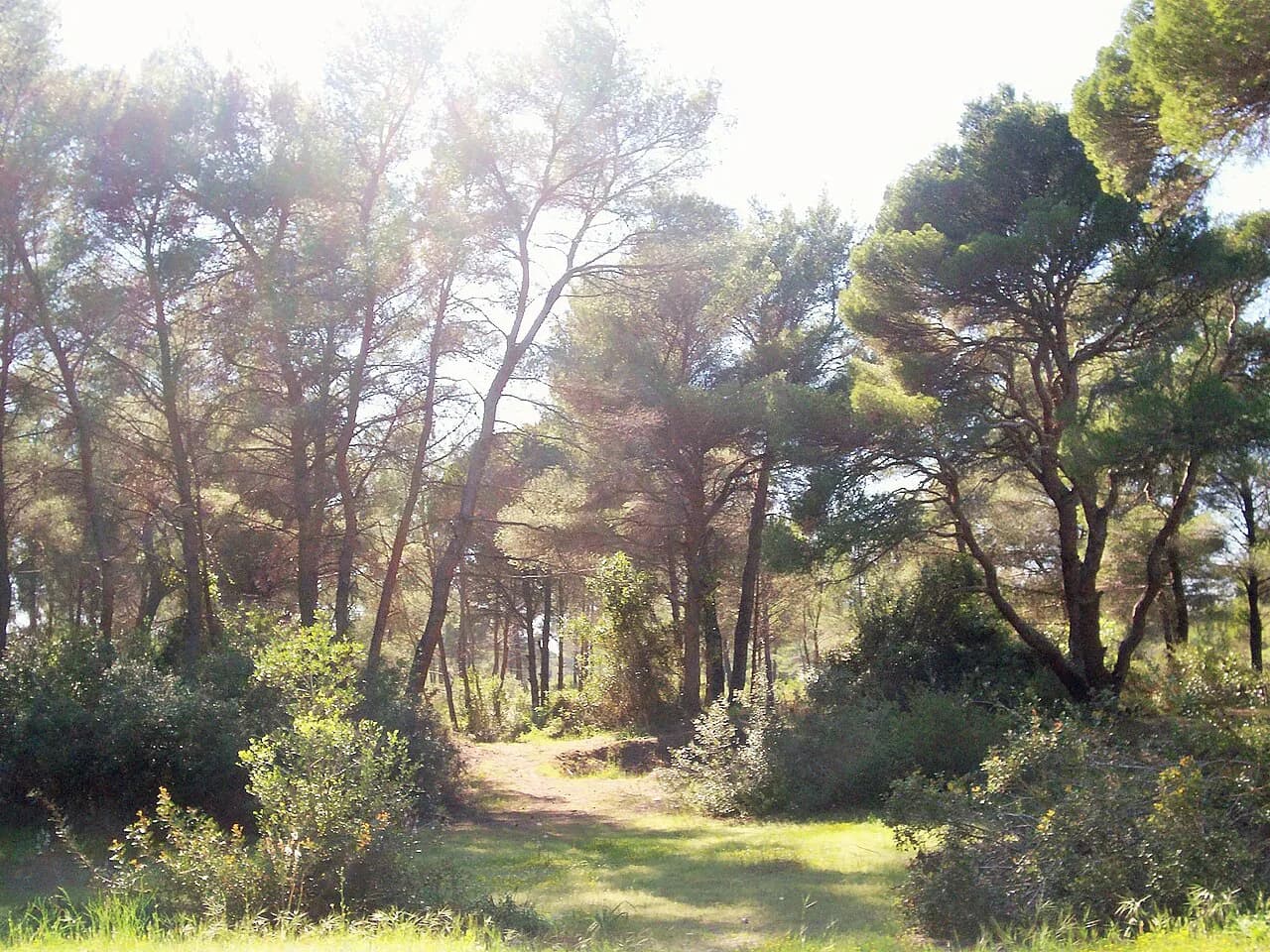
The combination of lagoons, small sandy islands, coastal pine forest and dunes is what makes the park attractive to so many birds. The Mediterranean pine forest near the lagoon holds its own fauna, and the flat, open landscape means you can scan wide areas from a single spot. The trade-off is little shade and few natural viewpoints, so the tower and hides do much of the work.
Walking is on paved road, unpaved road and wide path, and the terrain is flat with an easy grade. That makes it accessible for most visitors, but it also means distances feel longer than they look on a map. Plan your loop so the tower or a hide is your mid-point rather than an afterthought.
Getting there from Tirana, Durrës and Lushnja by car
From Tirana, take the highway to Durrës and then the road toward Fier. After about 38 km, follow the signs for Cerma and Sipërme and then those for Divjaka. From Lushnja the approach is shorter, running west toward the coast; the park sits about 40 km west of the city.
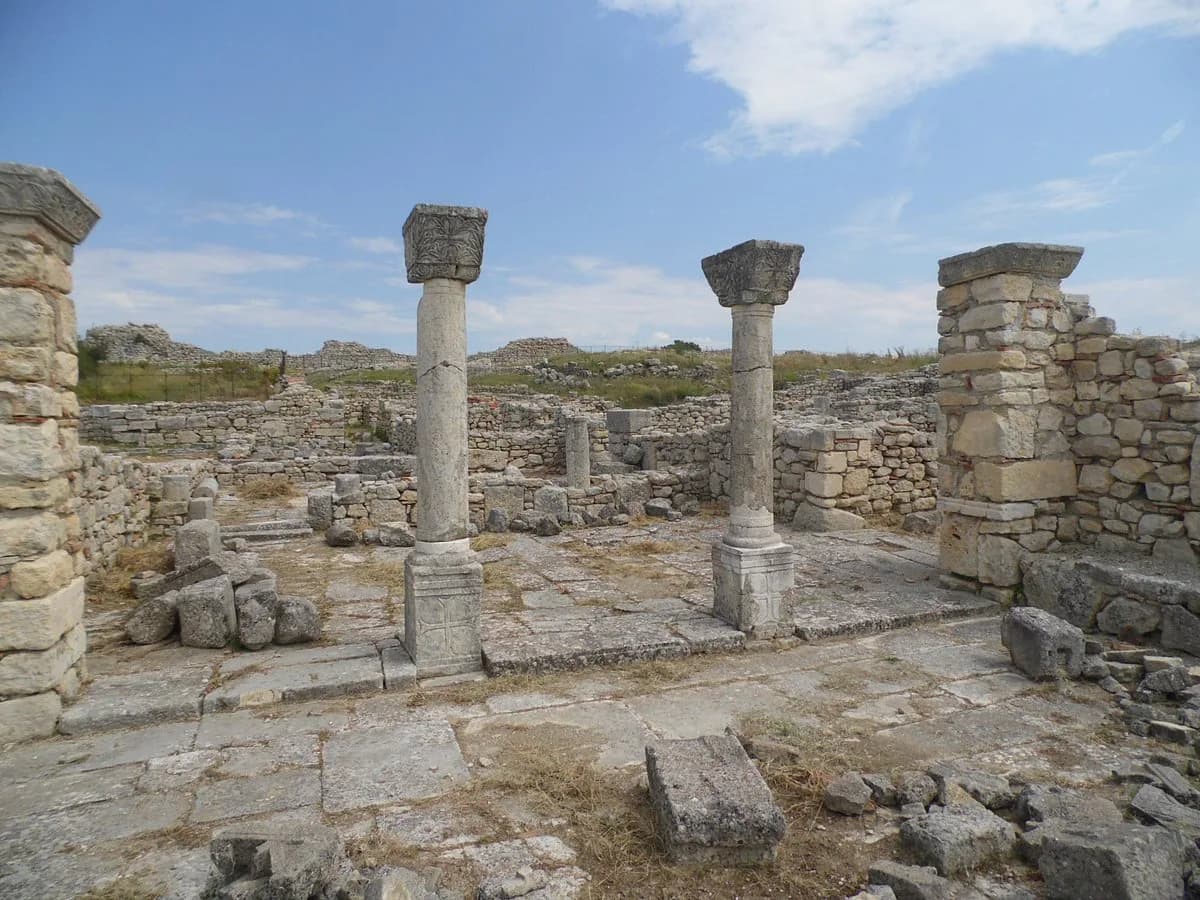
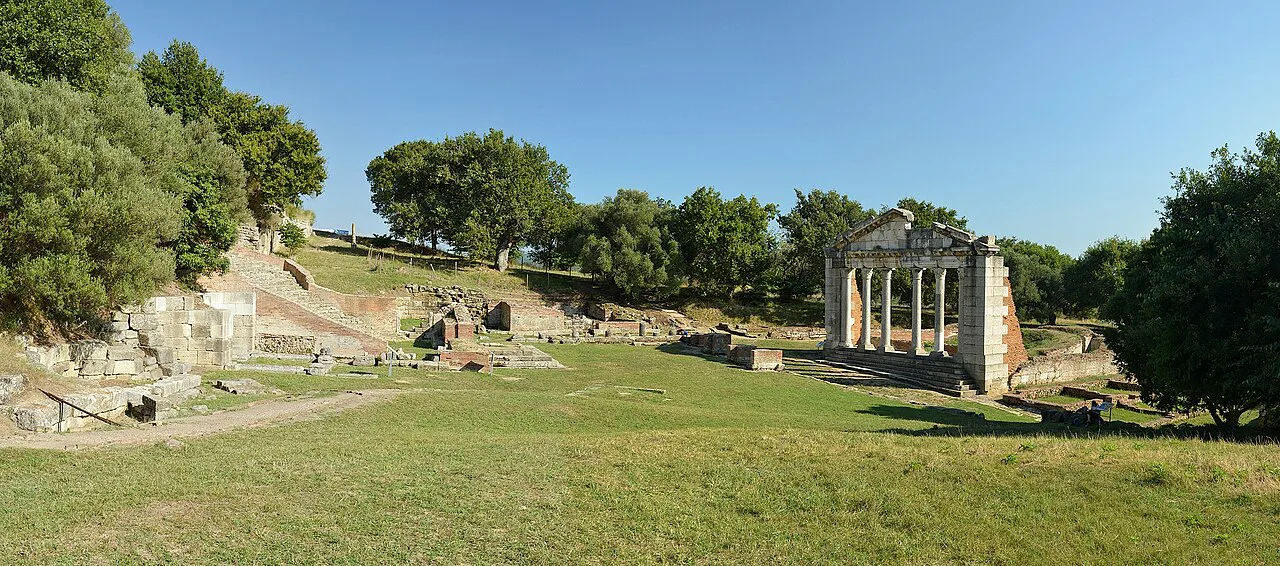
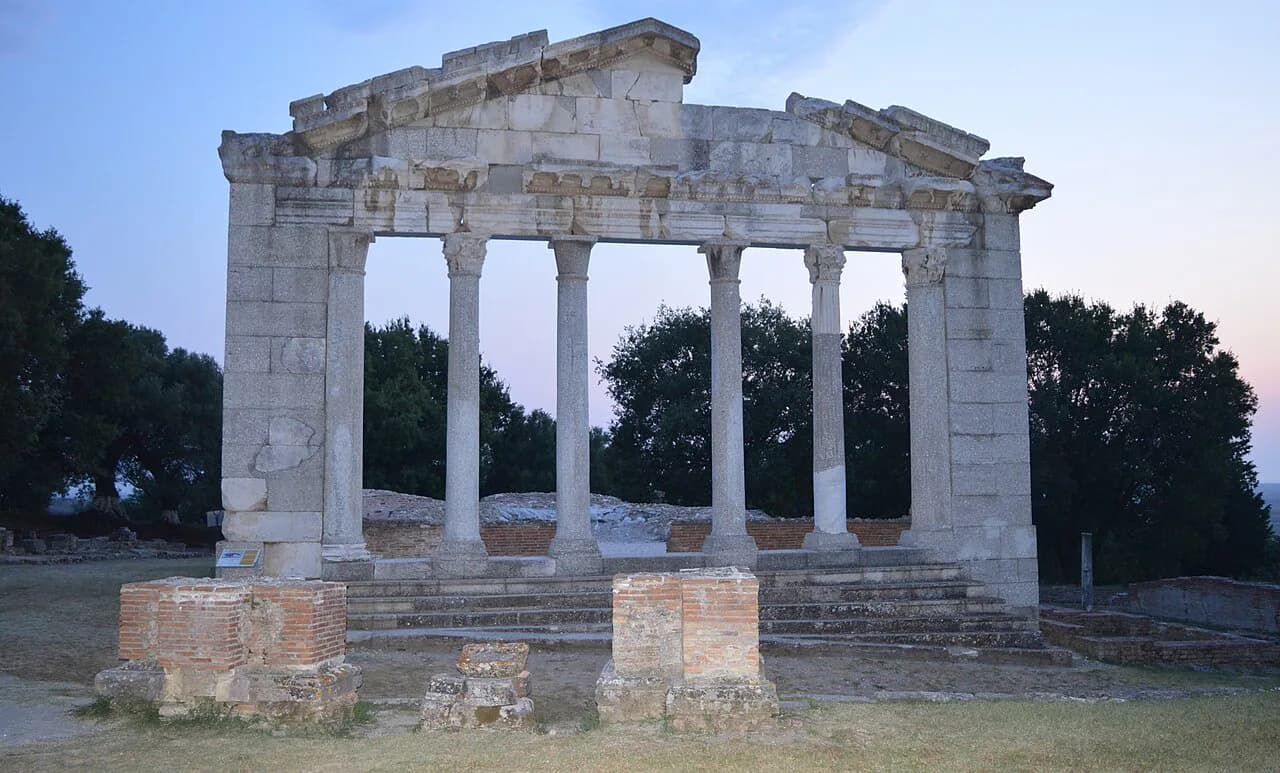
A car gives you the flexibility the park demands, because the visitor centre, tower, trails and beach strip are not all in one place. If you are combining the wetlands with the Classical sites of the Fier region, the Apollonia Archaeological Park above Pojan makes a natural pairing on the same day, and the hilltop Byllis Archaeological Park suits a separate, longer outing.
The visitor centre, birdwatching tower and hides
There is a visitor centre, a birdwatching tower and hides or platforms for watching the lagoon, plus trails to explore on foot. Organised boat trips on the lagoon can be booked as well, according to the birding listing. The park publishes a guide map with the layout, which is worth having on your phone before you lose signal on the approach roads.
The viewing structures matter more here than at a forest reserve: with flat, open water and nervous nesting birds, a hide gets you closer without disturbing the colony. Ask at the visitor centre which hides are open on the day you arrive, since access can change with the breeding season.
Walking the trails and breeding-season closures
The trails are easy going underfoot, but some can be closed during the breeding season, and the birding listing notes that this is not always clearly marked at the start of a route. Build flexibility into your plan rather than committing to one loop. If a path is taped or overgrown, turn back and drive to another section of the park instead of pushing on.
This is the single biggest planning risk at Divjakë-Karavasta, and it is why a short orientation stop at the visitor centre is worth the time. The park has no circular trail, so you will be walking out and back or linking sections by car.
Boat trips on the lagoon
Organised boat trips run on the lagoon and are the most direct way to see the sandy islands and the pelican colony from the water. They are arranged locally rather than on a fixed public timetable, so sort one out through the visitor centre or your accommodation before you set off. Boat access also lets you cover water you cannot reach on foot.
When to go: spring and autumn migration
Spring and autumn migration are the strongest birding windows, and the park is productive all year round. Summer brings heat and little shade on the flat, open terrain, so start early if you are visiting between June and September. Winter is quieter for visitors but still holds waterbirds on the lagoons.
How long to allow for a visit
Half a day covers the visitor centre, one hide or the tower and a short walk. A full day lets you add the boat trip and a second section of the park. Birders targeting the pelican colony and the migration should give it the full day and start at first light.
Divjakë Beach and the coast strip
The sandy barrier between the lagoon and the Adriatic gives the park a beach edge as well as wetlands. The sea, dunes and pine forest sit alongside the lagoon rather than replacing it, so you can combine both in one visit. Keep expectations modest: this is a coastal landscape with wildlife at its centre, not a resort strip.
Telescope, flat terrain and easy walking
Pack a telescope if you have one, since the open water and distant islands reward the extra reach, and binoculars otherwise. Wear sturdy shoes for the unpaved sections, carry water because shade is scarce, and bring sun protection even on a hazy day. The flat terrain makes the walking easy, but the exposure is the thing to manage.
Should Divjakë-Karavasta be a birding stop or a beach day?
Make it a birding stop. The pelican colony, the migration windows and the hides are what justify the drive, and the beach works best as a wind-down afterwards rather than the main event. Give it half a day at minimum, a full day if you are adding the boat trip and a second section.
Pair it with the Classical sites inland if you are based around Fier, and check trail access at the visitor centre before committing to a route. The park's own guide map is the most reliable reference for the layout on the day.
Explore more Fier guides
Frequently Asked Questions
Is Divjaka National Park free to enter?
The sources used here do not give an entry fee for Divjakë-Karavasta National Park. Ask at the visitor centre on arrival, since charges for boat trips and guided services are arranged separately.
Can you swim at Divjaka Beach?
The sandy barrier separates the Karavasta Lagoon from the Adriatic. The sources describe the sea and dunes rather than lifeguards, facilities or water quality, so check locally on the day before swimming, particularly outside the main season.
Sources
Notes for your Albania trip
Optional updates to our Albania town guides.
You might also like
Continue reading
More guides you'll find useful