Karavasta Lagoon: Visiting Divjakë-Karavasta National Park
Karavasta Lagoon anchors Divjakë-Karavasta National Park. Here is what to see, how to drive there and how long to allow on the Adriatic coast.
On this page
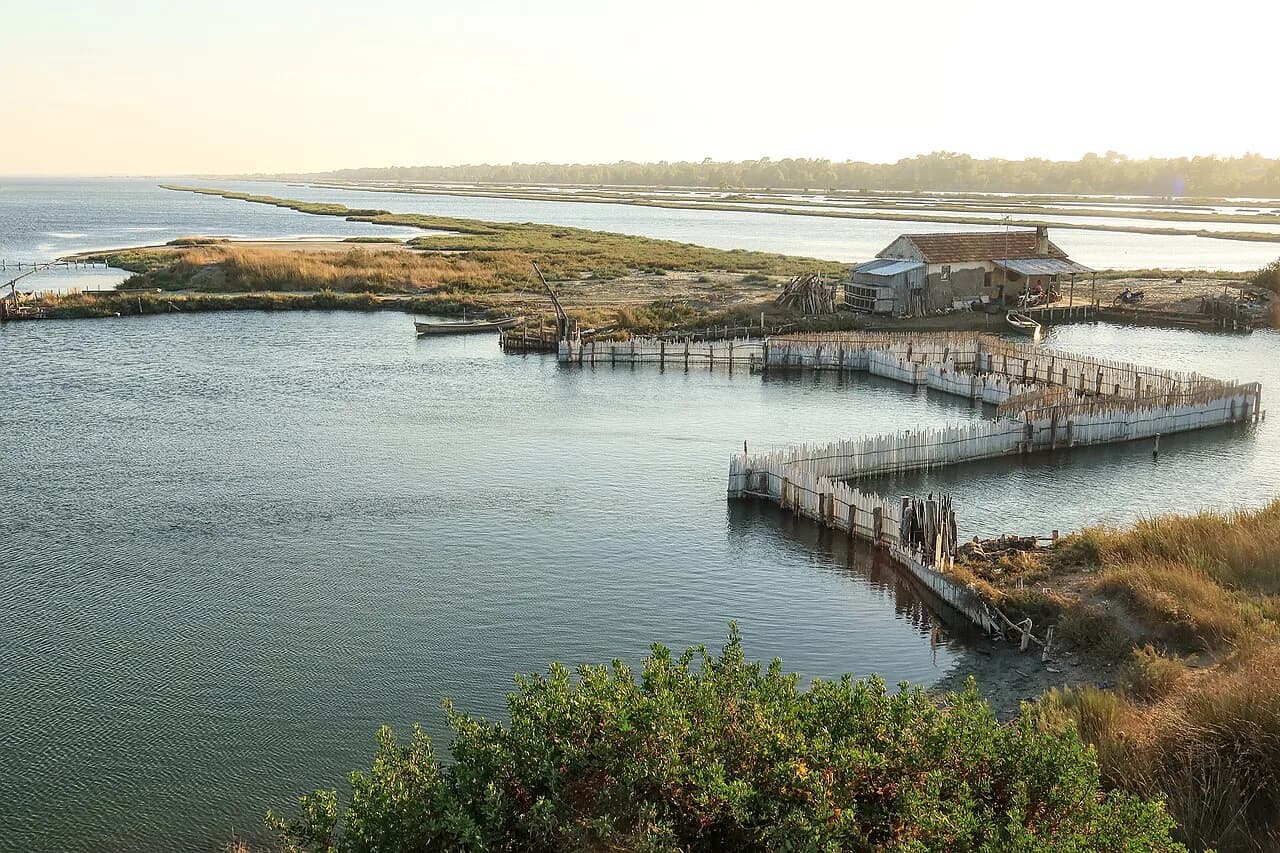
The Karavasta Lagoon is the brackish lagoon at the centre of Divjakë-Karavasta National Park on Albania's Adriatic coast, and the reason most visitors come. Birdingplaces gives it an area of 42 km2, separated from the sea by a broad strip of sand, and it is the protected area's main draw for pelicans, flamingos and waders. This guide covers where the lagoon sits, the driving approach from Tirana and Durrës, what there is to see on foot, and how long to allow.
Plan on half a day for the lagoon itself and a full day if you add Divjaka beach and the dunes. The park is broad and low-lying, and the interesting parts are spread across a lagoon edge, a pine forest and a coastal strip, so a car makes the visit far easier than a single stop.
What the Karavasta Lagoon is
The lagoon is an enclosed brackish water body linked to the Adriatic by three artificially maintained channels, according to an EnviWeb profile of the site. It lies between the Shkumbin River to the north and the Seman River to the south, though neither river feeds directly into the lagoon itself. The surrounding land is drained wetland, which is why the water reads as a shallow inland sea rather than an open bay.
PeakVisor puts the whole Divjakë-Karavasta National Park at 222 sq. km and the strictly protected Karavasta Lagoon reserve at 42 sq. km. Those figures are for orientation only: what you see from the shore is a wide expanse of water broken up by sand spits and small islands, with the wooded Divjaka hills rising to the north.
An EnviWeb profile, written in 2009, calls Karavasta the first and at that point the only Albanian area designated under the Ramsar Convention on wetlands of international importance, and the lagoon within the park boundaries is the part that carries the designation. The pelican colony is the reason the site matters internationally, so treat it as a nature reserve rather than a beach stop with a view.
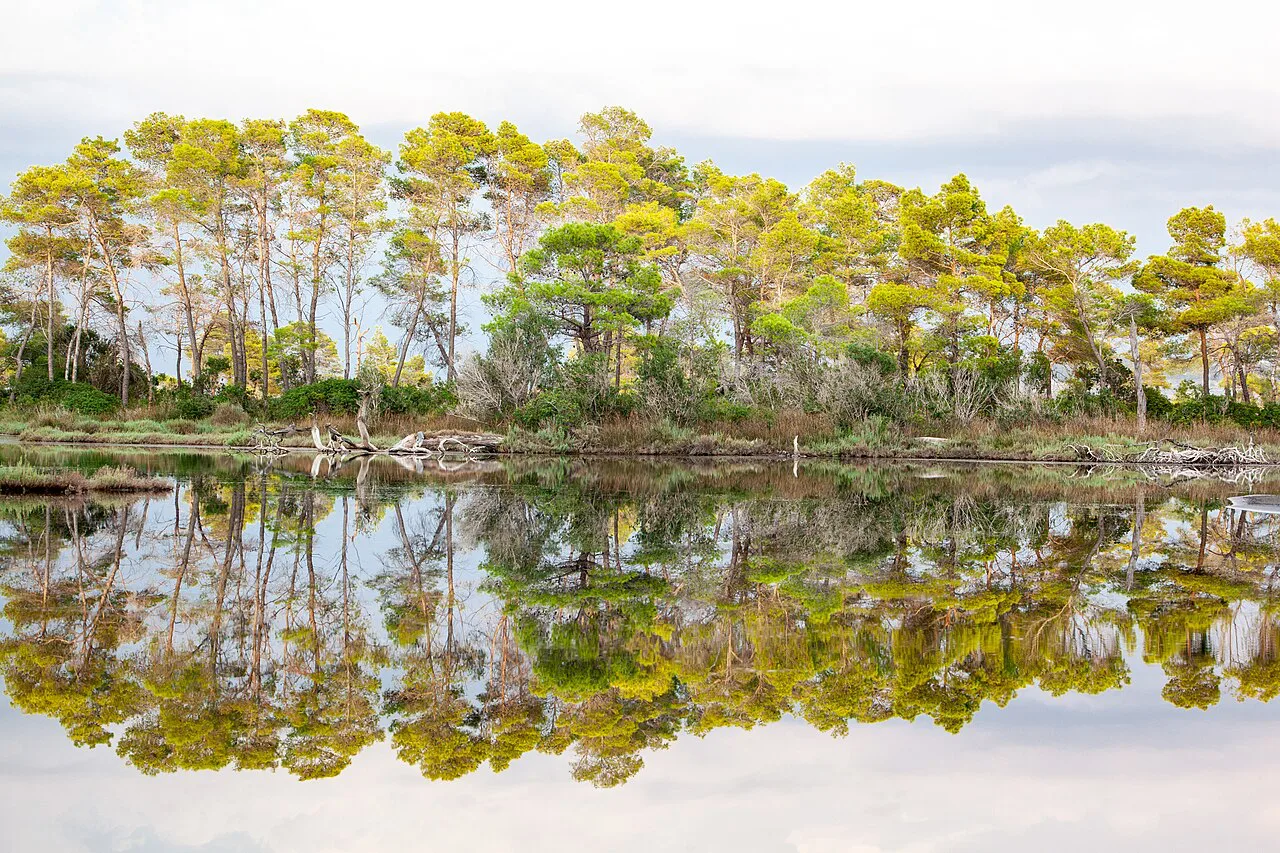
The layout: lagoon, sand barrier and Divjaka pine forest
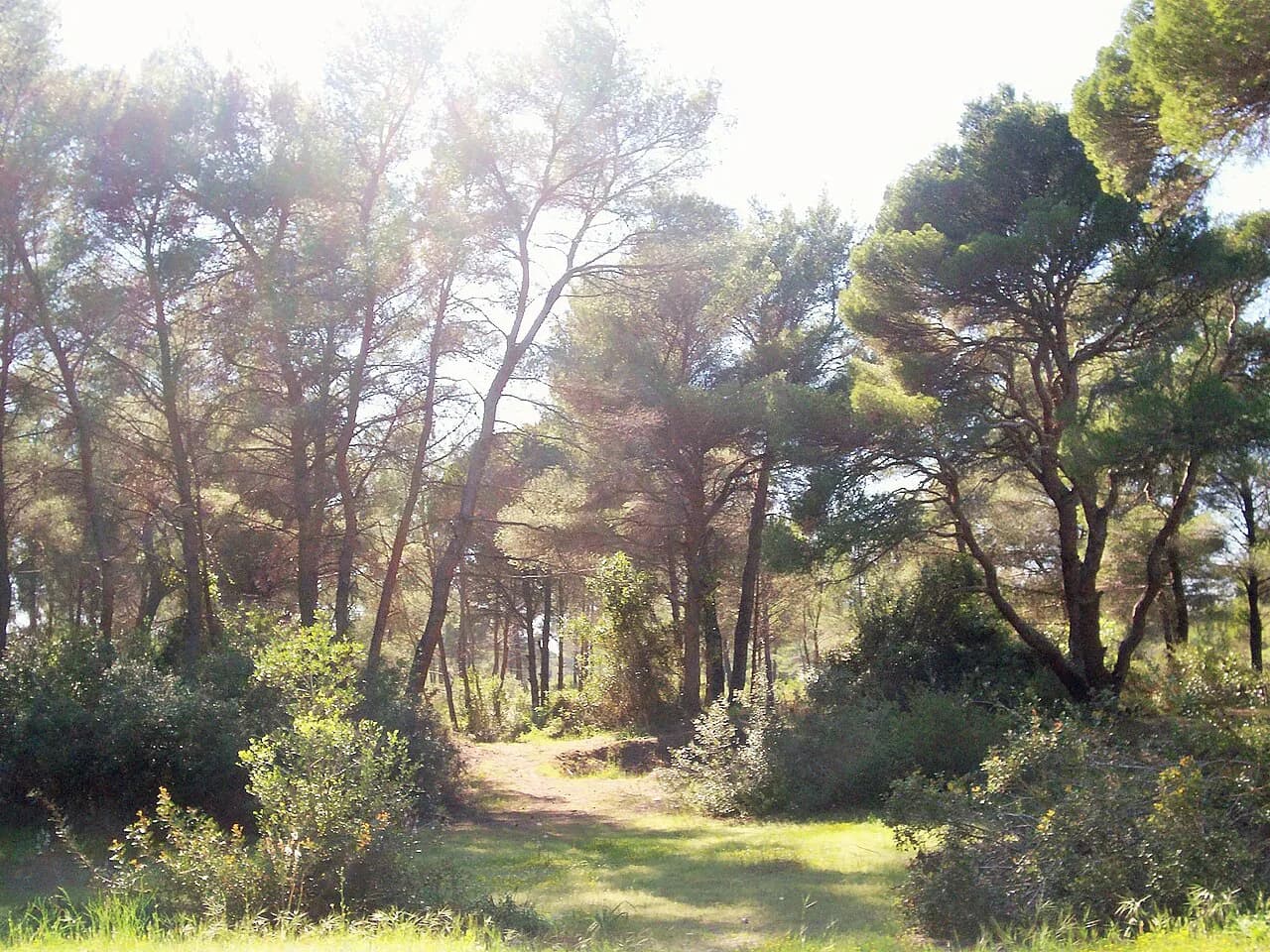
The park works as three parallel strips. The lagoon sits inland, the Divjaka pine forest covers roughly 1,100 hectares between the lagoon and the Shkumbin, and the sand barrier holding the lagoon back from the Adriatic runs along the coast. The forest is the shaded part of the visit; the lagoon edge is open and bright, and the coastal strip is where the beach and dunes are.
Divjaka itself means 'sandy bar', and the dune belt beside the woods runs about 15 km long and averages around 50 m wide, rising only one to two and a half metres. That flat profile is worth knowing before you set out: this is easy, low ground, not a viewpoint destination.
The lagoon is the reason to come, but the forest and dunes are a separate decision. If you have time for only one, spend it at the water with binoculars; if you have a whole afternoon, the forest gives you shade and a place to eat between birding stops.
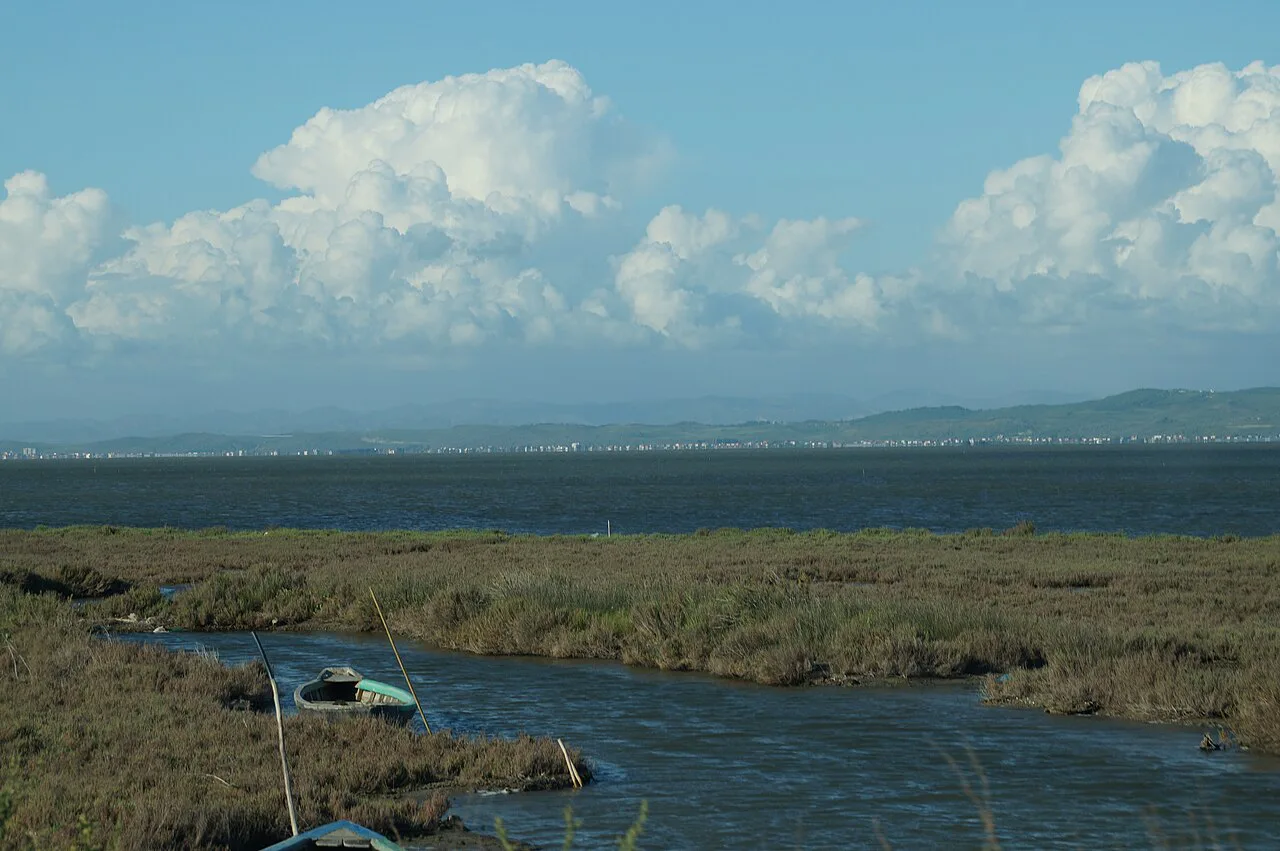
Getting there from Tirana, Durrës and Lushnja by car
From Tirana the standard approach is the motorway to Durrës and then the road towards Fier. After roughly 38 km on that road, follow the signs for Cerma and Sipërme, and then the signs for Divjaka. The lagoon lies about 40 km west of Lushnja, which is the nearest sizeable town.
Arriving from the south, Fier is the practical base for the approach road, and the town also gives you the Apollonia Archaeological Park on the same day. Driving yourself is the sensible option here, because the lagoon edge, the visitor centre and the beach are not in one place and the lanes between them are not set up for foot traffic.
The last stretch involves unpaved sections and a signposted run through small villages, so allow more time than the distance suggests and fill up before you leave the main road. Tracks near the water can be soft or closed after rain.
The visitor centre, birdwatching tower and trails on foot
There is a visitor centre, a birdwatching tower and trails to explore the area on foot, which together make up the core of a visit. The ground is flat and open, so the walking is easy; what eats your time is stopping to watch. Bring binoculars, because the tower gives you height but not magnification.
Some trails can be closed during the breeding season, and the signage at trail starts is not always reliable about it. Treat a barrier or a closed gate as final rather than walking round it, and build a backup plan around the tower and the beach so a closure does not spoil the day.
A lagoon-edge walk on flat ground is the most reliable low-effort option, and the Shkumbin River mouth to the north makes a second focus if you want to see where fresh water meets the park. Neither requires route planning in the way the hills do, so keep your plans loose and follow what the birds are doing.
Boat trips on the lagoon and breeding-season closures
Organised boat trips on the lagoon can be booked according to Birdingplaces, and this is the way to see the pelican colony at close range without walking into nesting areas. Ask at the visitor centre about trips running that day, since the answer depends on water levels, the season and how many people want to go out.
Timing matters more than budget here: the lagoon is a breeding site, and access on foot can be restricted while birds are nesting. If a boat trip is the point of your visit, phone ahead rather than turning up in the hope of finding a skipper at the jetty.
Birds you have a realistic chance of seeing
Birdingplaces records 230 species in the park, and EnviWeb counts 228, so expect variety rather than a fixed list. The headline bird is the Dalmatian pelican, which the park is known for, alongside common flamingo, black-winged stilt, Kentish plover, little tern, pygmy cormorant and European bee-eater. Waders, egrets, ducks and raptors fill in the rest.
Birdwatching is worthwhile year-round, but the two migration periods, spring and autumn, are the best windows. Spring brings the pelicans into the breeding season and autumn brings passage waders and flamingos. Outside those periods the lagoon is quieter and the light can be harsh in the middle of the day, so early mornings reward the effort.
The pelican population carries the site's international importance: Birdingplaces puts the park's Dalmatian pelicans at 6.4% of the European population. Keep your distance, stay on marked ground and resist the urge to walk the shoreline for a closer shot.
Divjaka beach and the dunes as an add-on
Divjaka beach runs about 12 km along the sand barrier and is mainly used by people from Lushnja and nearby towns. It is the natural end to a lagoon morning: birdwatch early, then walk over the dunes for a swim. The sand barrier has kept the lagoon and the sea apart, and the beach is on the sea side of it.
EnviWeb notes that the Adriatic here carries litter, so take your rubbish out with you and pick your spot with care. The dunes are low and fragile, and the bare sand zone is not somewhere to trample for a better view.
You can drive between the lagoon and the beach in a short hop, which makes combining them straightforward. Do the lagoon first while the birds are active, then the beach when the heat sets in.
How long the lagoon needs and honest trade-offs
The park is spread out and the flat terrain means you cover ground slowly without noticing, so a half-day plan that looks generous soon fills. A lagoon-edge walk between the visitor centre and the tower, with stops for birds, is the natural core of the visit.
The main trade-offs are the heat and the lack of shade on the lagoon side, plus the litter on the Adriatic beach. Come early, bring water and sun protection, and use the pine forest for shade. Walking the dunes in the middle of a summer afternoon is the least rewarding way to spend the day.
If you are short of time in the Fier area, weigh the lagoon against the archaeological sites. The lagoon is a nature stop with no ruins to walk, which is a different kind of day out and a reasonable one to cut if you would rather spend the hours at Apollonia or on the road towards Bashtova castle on the Shkumbin.
Nearby: Ardenica Monastery and Apollonia
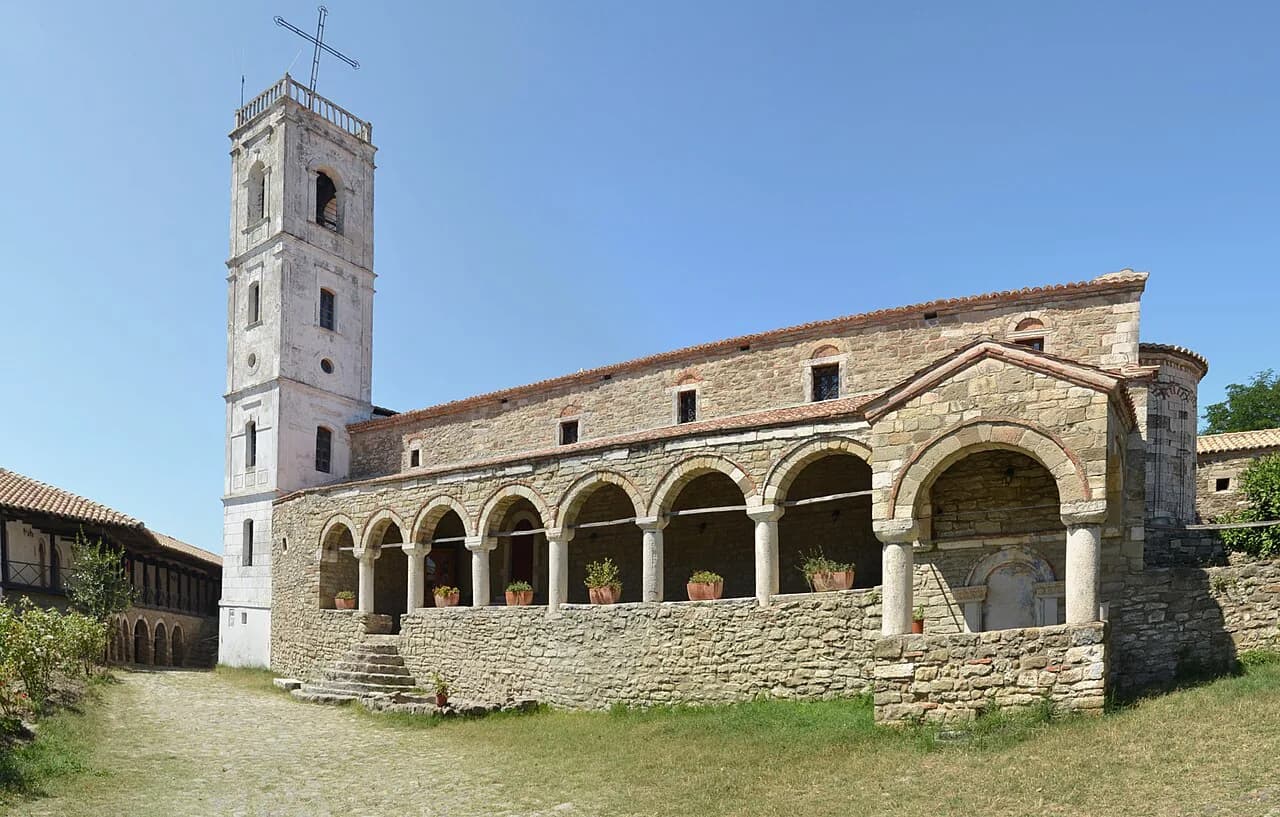
Ardenica Monastery lies in the Myzeqe plain and can be paired with the lagoon for a single day out by car. It is a walled monastery complex, so treat it as a quiet stop after the birds; check opening arrangements before you build the day around it.
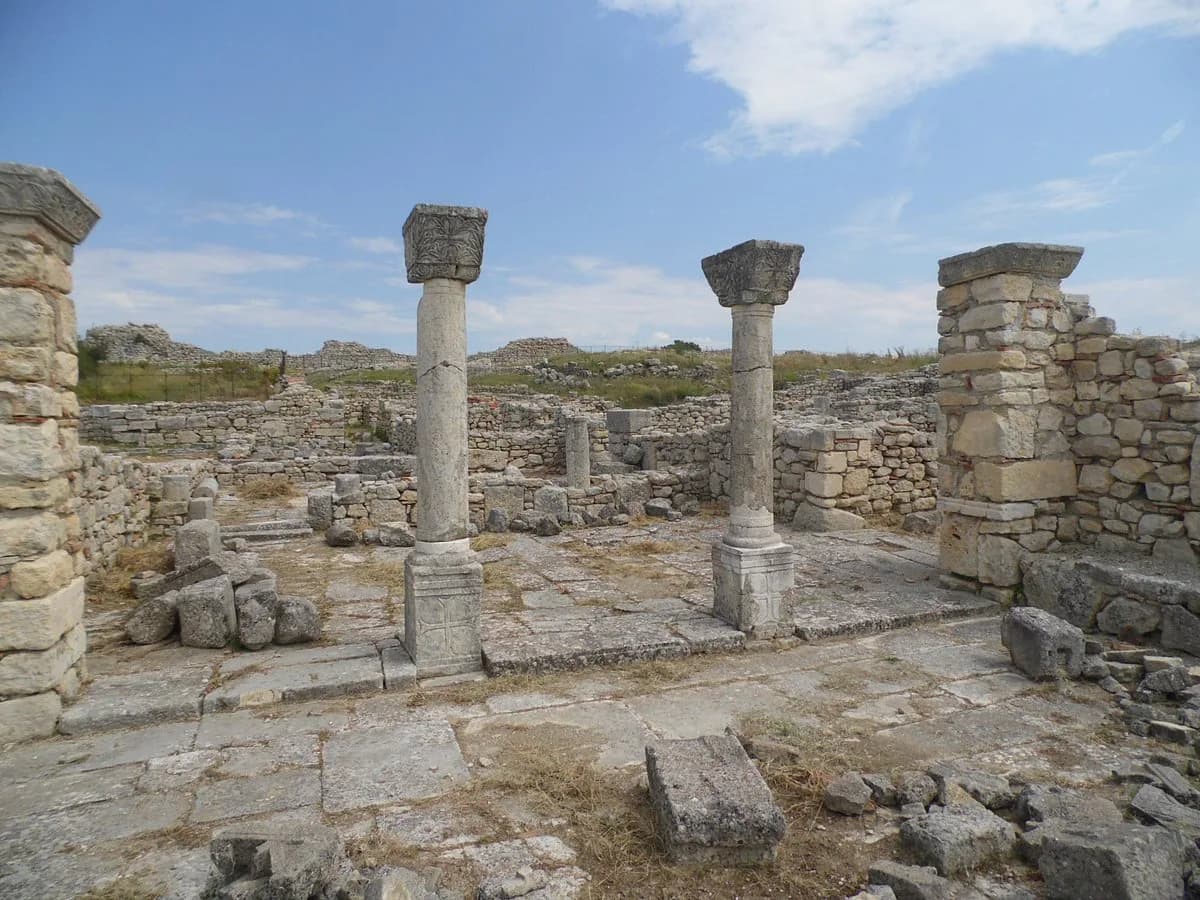
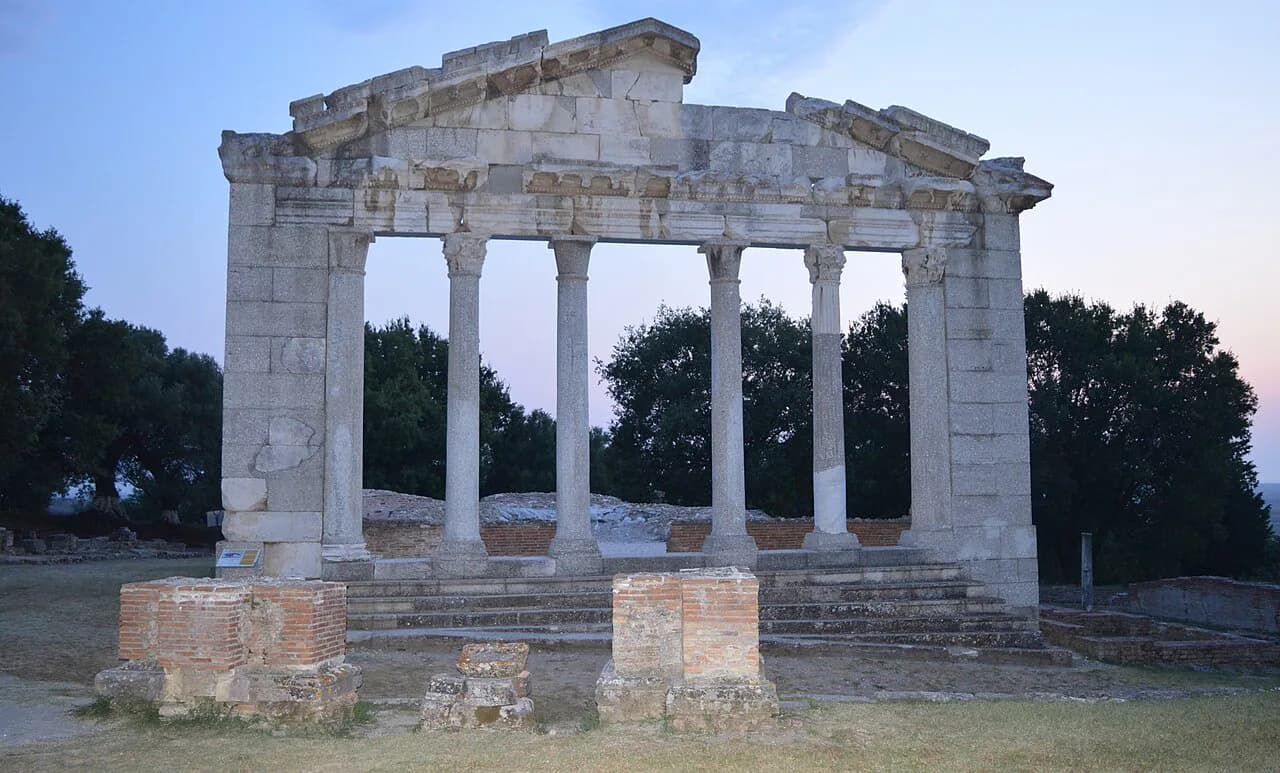
Apollonia, Albania lies near Fier and is the other obvious stop for anyone combining history with the lagoon. The Apollonia Archaeological Park has a museum collection, and Fier itself is the practical base for both. A day that runs lagoon in the morning and ruins in the afternoon works well by car.
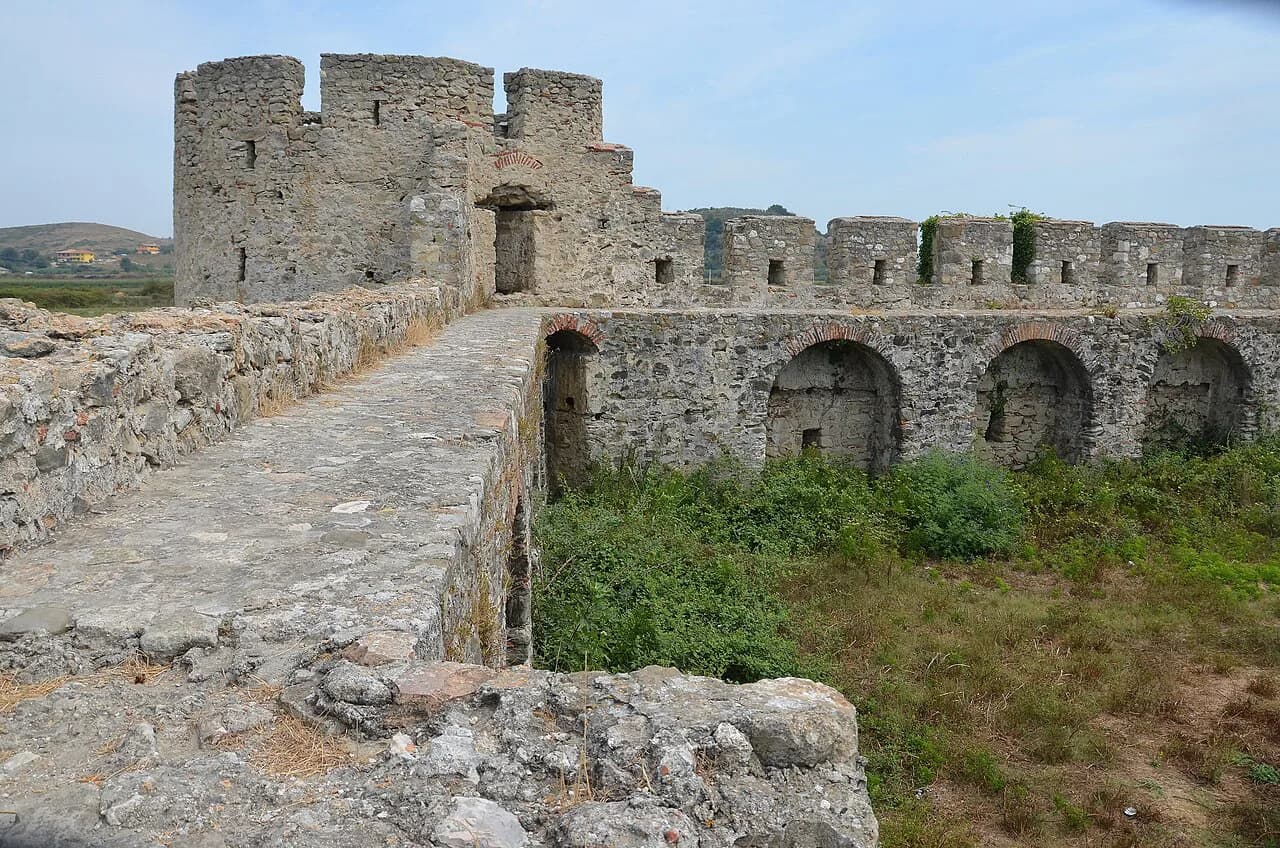
If you are heading further inland, Byllis Archaeological Park makes a hilltop contrast to the flat wetlands, and Bashtova Castle gives you a historic stop on the Shkumbin. Neither is on the lagoon's doorstep, so plan them as a separate day rather than trying to squeeze them in.
Deciding how much of the park to take on
The lagoon is the reason to come, and a half-day at the visitor centre, tower and shoreline gives you the pelicans, the water and the sense of the reserve without overreaching. Add Divjaka beach and the pine forest only if you have the afternoon and the weather to enjoy them.
Go early, bring binoculars, and treat closures as part of a working wetland. A day that pairs the lagoon with Ardenica Monastery or Apollonia gives you a fuller picture of the Myzeqe plain than an hour on the shore ever will.
Frequently Asked Questions
Is Karavasta Lagoon worth visiting?
Yes, if you are interested in birds or want a low-key nature stop between Fier and the coast. The park holds a Dalmatian pelican colony and a large lagoon, with a birdwatching tower and flat trails that suit an easy half-day.
Can you swim at Divjaka beach?
Divjaka beach on the sand barrier is used by people from Lushnja and nearby towns for swimming, but the Adriatic here carries litter. Set your expectations on scenery rather than on services.
Sources
Notes for your Albania trip
Optional updates to our Albania town guides.
You might also like
Continue reading
More guides you'll find useful