Bashtova Castle: Albania's Fortress on the Plain
Plan a visit to Bashtova Castle, a 15th-century walled fortress near the Shkumbin River, with what to see, how to get there and how long to allow.
On this page
Bashtova Castle is a short stop rather than a half day: a walled quadrangle of about 60 by 90 metres with walls roughly 9 metres high, standing on flat ground near the mouth of the Shkumbin River. Allow under an hour on site unless you are walking the full circuit slowly, and treat the trip as a drive-out from the Fier or Rrogozhina area. This guide covers the layout, what remains to see, the approach road and what to combine it with.
What Bashtova Castle is and where it stands
The fortress is a medieval quadrangle set close to where the Shkumbin River meets the Adriatic, in the plain north of the river's estuary. Its plan measures 60 by 90 metres and is oriented rectangularly, with the Shkumbin running about 400 metres to its south. The village of Vilë-Bashtovë lies roughly 2 km away and is the usual reference point for finding the site.
It was built in the 15th century to support trade under Venetian rule, and the same century brought changes after the Ottoman conquest, with work continuing into the early 16th century. Those alterations added floors for military use and included the construction of a mosque.
The castle appears on Albania's UNESCO tentative list, which is a nomination-stage listing rather than a World Heritage inscription. Objects recovered during work at the site are held in the National Museum in Tirana.
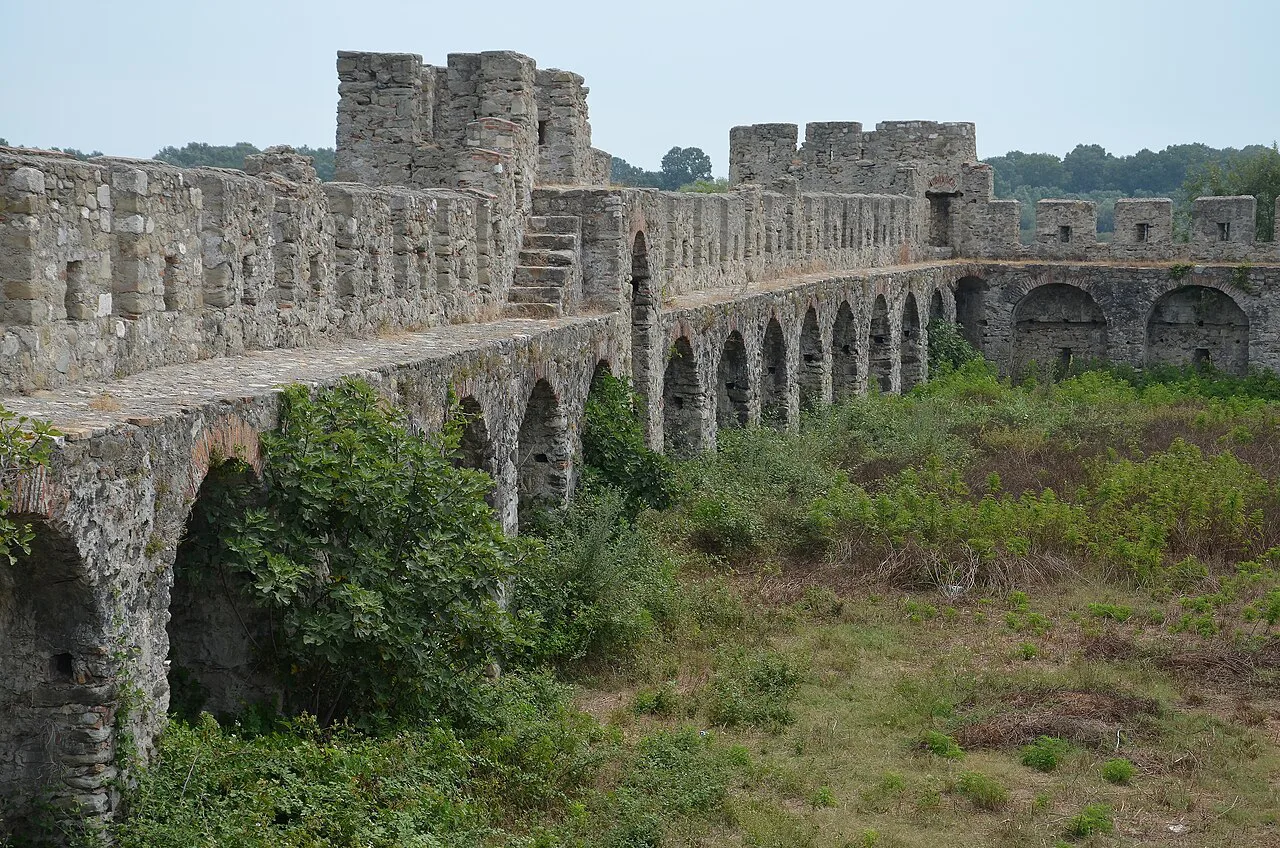
The layout: walls, one gate and the plain setting
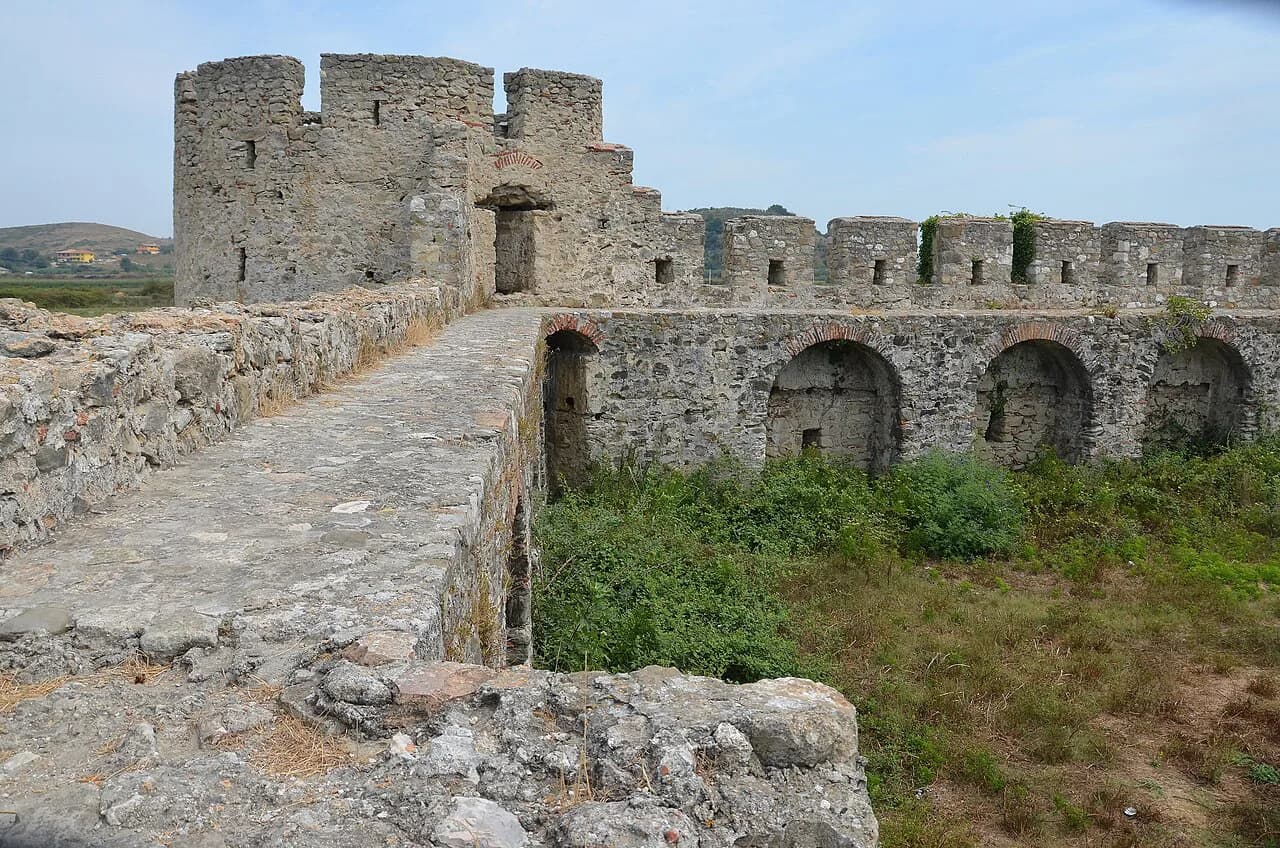
Walking round Bashtova is unlike circling the hilltop castles at Berat or Gjirokastër. There is no old town climbing around it, no steep cobbled lane to negotiate and no shade from stacked Ottoman houses, because the fortress sits alone on level farmland. What you get is a clean, legible plan: a wide rectangle of curtain wall that you can read in one sweep from the outside.
Access is planned through a single controlled gate, with guard rails and walking platforms forming part of the rehabilitation design for the site. Interpretive material on the castle's history and the wider area is also planned as part of that programme.
The national tourism site describes it as the only castle in the Balkans built on a plain, and its flat surroundings have stayed intact around the walls. Photographers should note there is little to frame the castle against except sky and fields, so early or late light does most of the work.
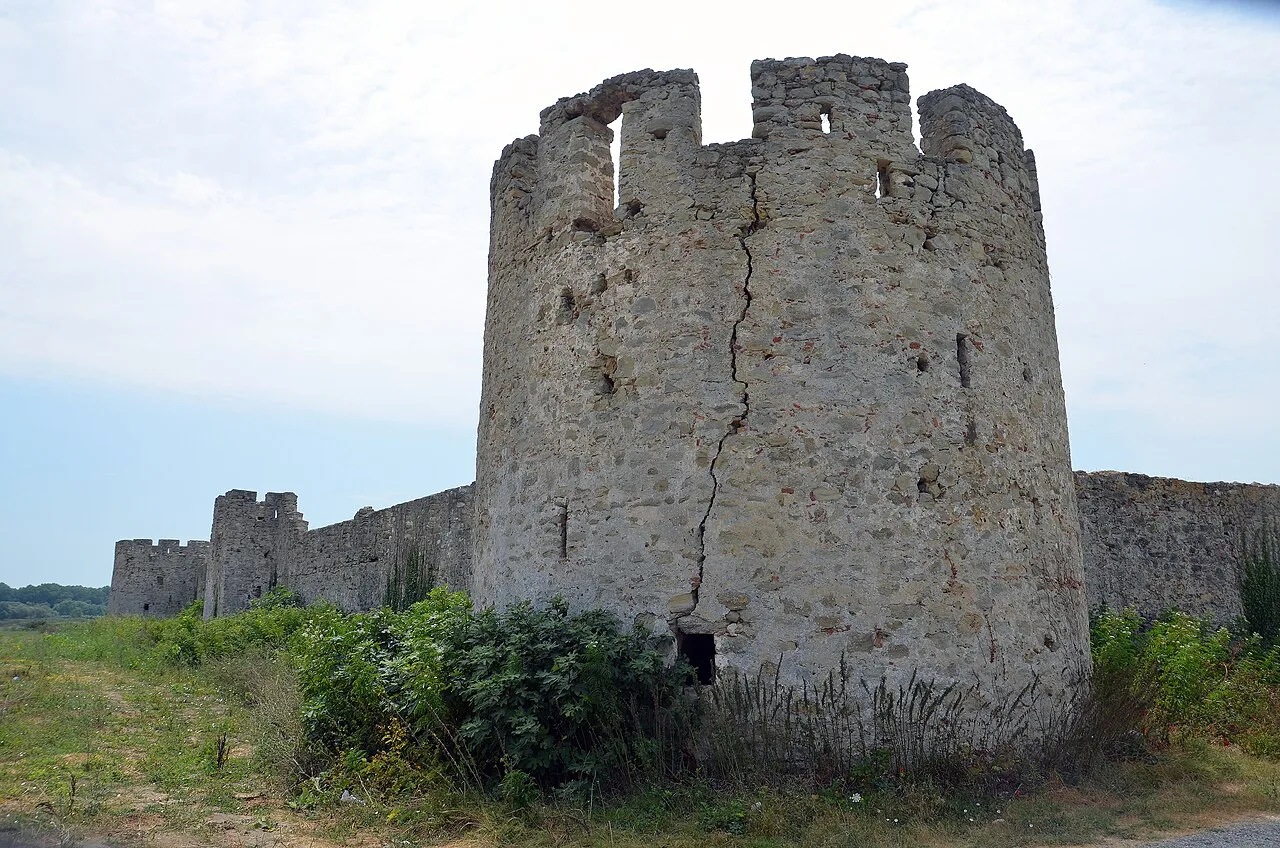
What survives to see: walls, the rebuilt western section and the mosque remains
The standing structure is essentially the circuit of walls, roughly 9 metres tall, enclosing the rectangular courtyard. Comparison with hilltop sites such as Byllis, where the defences follow the terrain, shows how much the Bashtova design depends on a simple, regular plan rather than a ridge.
The western stretch was rebuilt in the 18th century after being badly damaged by water overflowing and eroding the ground beneath it. Historical and archaeological work suggests the castle was originally two-storey, with a lower floor sunk below the surface whose remains have not been found.
The mosque added in the Ottoman period belongs to the castle's documented history rather than to a complete building you can walk into today. Read the on-site interpretation as it appears and don't expect furnished rooms; the value of the visit is the enclosure itself and the setting.
Views from the walls towards the coast and Divjaka
The reason to linger at wall level is the outlook: from the walls the castle offers panoramic views of the coastline from the Bay of Durrës to Divjaka. That panorama is the reward for slowing down rather than hurrying back to the car. The castle's western section was rebuilt in the 18th century after water overflows and erosion damaged it; the present EU4Culture rehabilitation addresses the earthquake damage.
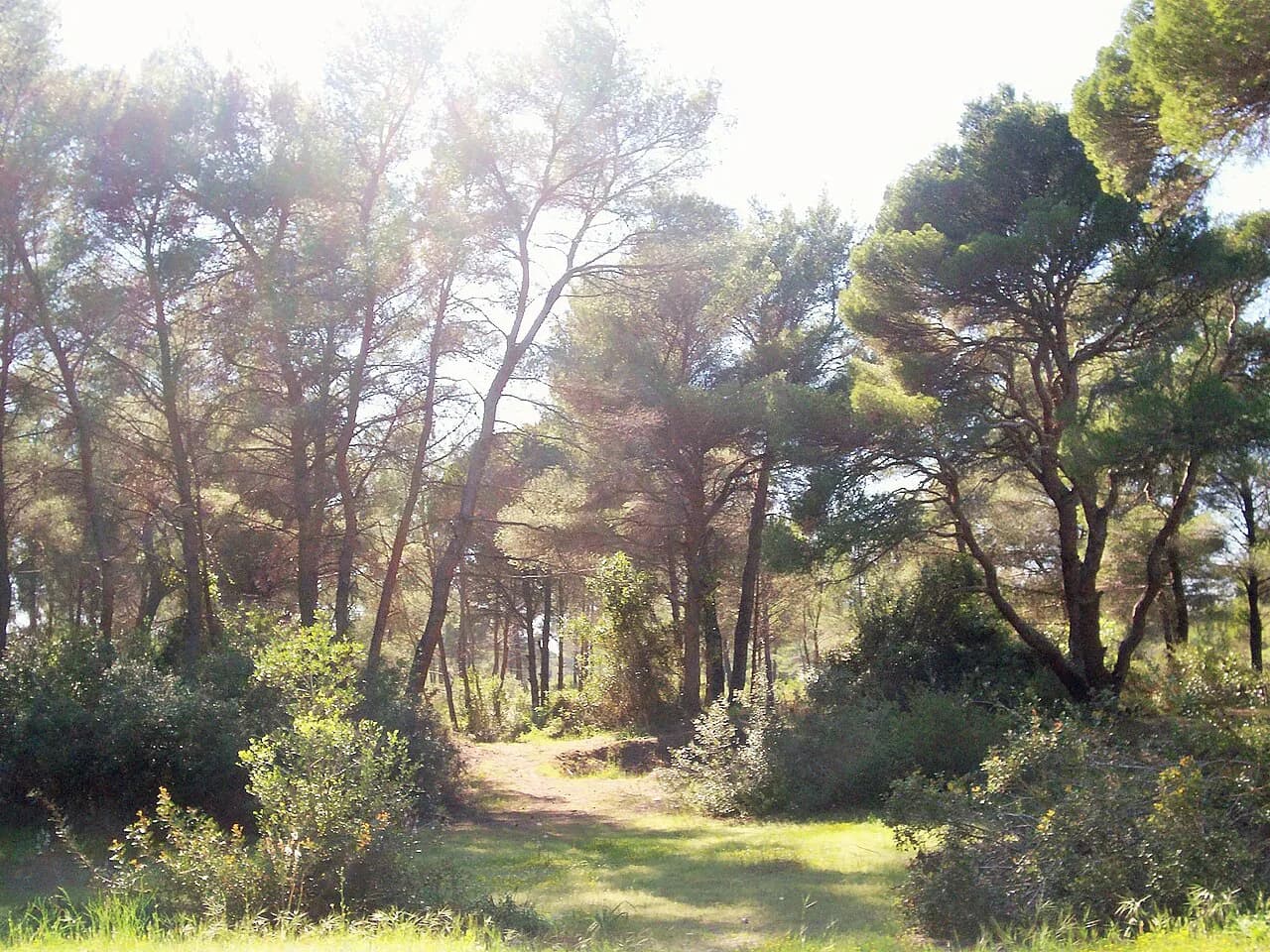
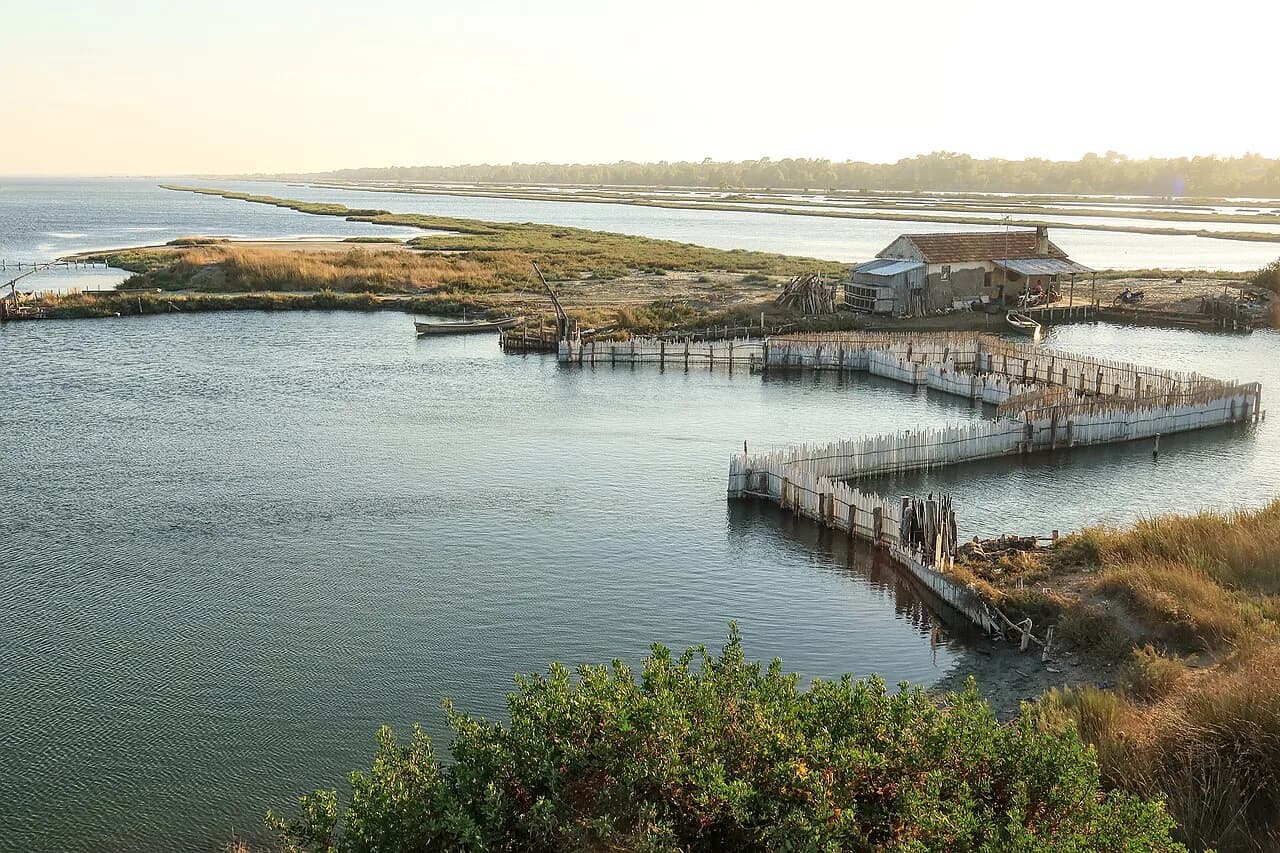
The wetland and pine woods of Divjakë-Karavasta National Park sit in that same coastal view and make a natural second stop on the same drive. The Karavasta Lagoon and the Divjaka pine forest are the park's fixed landmarks, so plan the castle and the lagoon as one loop rather than two separate outings.
How to get there: the quiet road from Vilë-Bashtovë and parking
Approach from Vilë-Bashtovë, roughly 2 km from the castle, rather than trying to cut in from the riverbank. The castle sits about 3-4 km north of the Shkumbin estuary, so any route that keeps you south of the river will leave you looking for a crossing.
The final stretch is a quiet country road that brings you to a parking area beside the site, which is the sensible place to leave the car before walking the walls. There is no town around the castle, so carry water and anything you need with you.
By public transport the practical pattern is a bus or furgon to Rrogozhina or the Fier area, then a taxi or a pre-arranged lift for the last leg, since no service runs to the gate itself. Drivers coming from Fier have the easier run; coming from Tirana means committing to the car for the day.
How long to allow and what to combine it with nearby
Budget 45 minutes to an hour on site: enough for the outside circuit and a look at the walls, subject to whatever the restoration works leave open. Two hours is generous and only makes sense if you are picnicking or waiting for good light.
The strongest pairing is with the coast and lagoon rather than with another fortress, so head for Divjakë-Karavasta National Park after Bashtova. Inland, the classical city of Apollonia, Albania gives you a full Roman site with a museum and a much longer visit, so keep it on a separate day.
If you are following the Via Egnatia corridor south, the Ardenica Monastery makes a calm stop on the road towards Fier, with its church dedicated to the Birth of the Virgin Mary. It suits the same driving day as Bashtova only if you start early.
Ticket, opening and restoration status: what to confirm before setting out
The fortification walls were damaged in the 2019 earthquake and are being restored under the EU4Culture programme, which covers structural stabilisation, walking platforms, guard rails and a visitor and interpretation centre with toilets, a café and a shop. Those facilities are part of the rehabilitation plan, so plan around what is physically accessible when you arrive.
Ticketing is being introduced as part of that programme, and no entry fee or opening hours are published for the site. Ask at the tourist information point in Fier or Rrogozhina, or check the national tourism site, before you commit to the drive.
Expect a working heritage site rather than a finished attraction: fencing, closed sections or bare ground are all plausible depending on where works have reached. Build flexibility into the day and keep a coastal or lagoon stop as the fallback.
Is Bashtova worth the detour?
Yes, if you are already driving the coastal plain between Durrës, Rrogozhina and Fier and want a short, uncrowded stop with an unusual setting. It is not worth a dedicated journey from Tirana on its own, and anyone expecting a hilltop castle town will be disappointed.
Pair it with the lagoon and Divjaka pine forest for a half day, keep the visit to about an hour, and confirm access before setting off. Leave Apollonia for a day when you have several hours to spare.
Sources
Notes for your Albania trip
Optional updates to our Albania town guides.
You might also like
Continue reading
More guides you'll find useful