Byllis Archaeological Park: What to See and How to Visit
Byllis is a walled Illyrian and Roman city on a ridge above the Vjosa valley, with a theatre, basilicas and city walls to explore on foot.
On this page
Byllis is a ruined Illyrian and Roman city laid out across a hilltop above the Vjosa valley, and it works as a half-day walking visit rather than a quick photo stop. You move between monuments on open ground, so the site rewards a car, decent shoes and time to read the ruins in order. This guide covers what survives on the ridge, how long the site needs, how to get there and how to combine it with the Fier area.
The approach is part of the visit: the ruins sit on high ground reached by a hill road, and there is little shelter once you are up there. Plan around a clear day rather than squeezing Byllis into a tight schedule between other stops.
What Byllis is and where it sits above the Vjosa valley
Byllis was an Illyrian city founded on a ridge with a commanding position over the Vjosa River, and it later passed into Roman hands. The city dates back to the 4th century BC. It sits in the Mallakastër area of Fier County, near the village of Hekal.
The setting explains the site: this is not a museum with rooms, but a walled city plan on a hilltop. You walk from one monument to the next across the ridge, so the layout matters as much as any single building.
The city came under Roman control and the remains read as two phases layered on one site. The Romans took over from the Byllites in 240 BC, and the settlement continued in use for centuries afterwards.
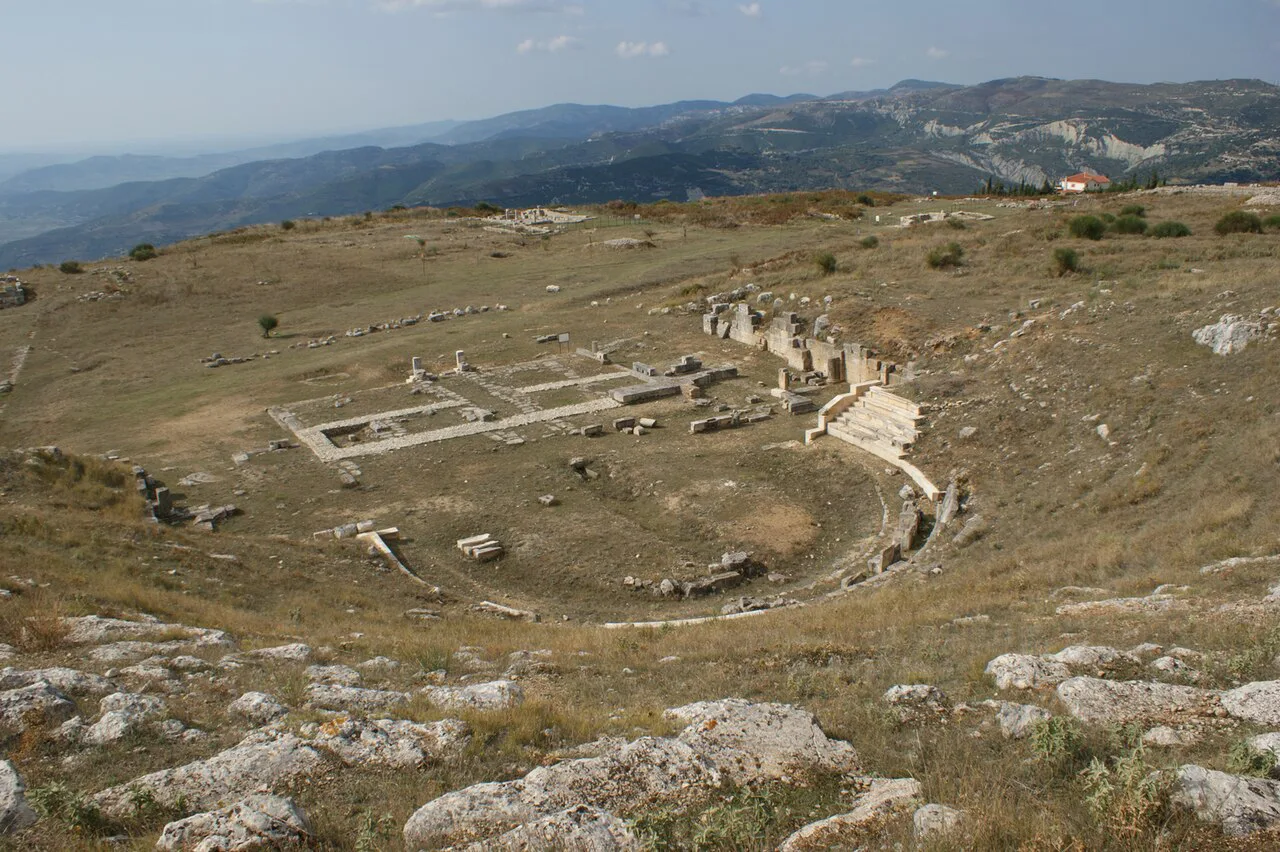
What survives on the ridge: theatre, basilicas and city walls
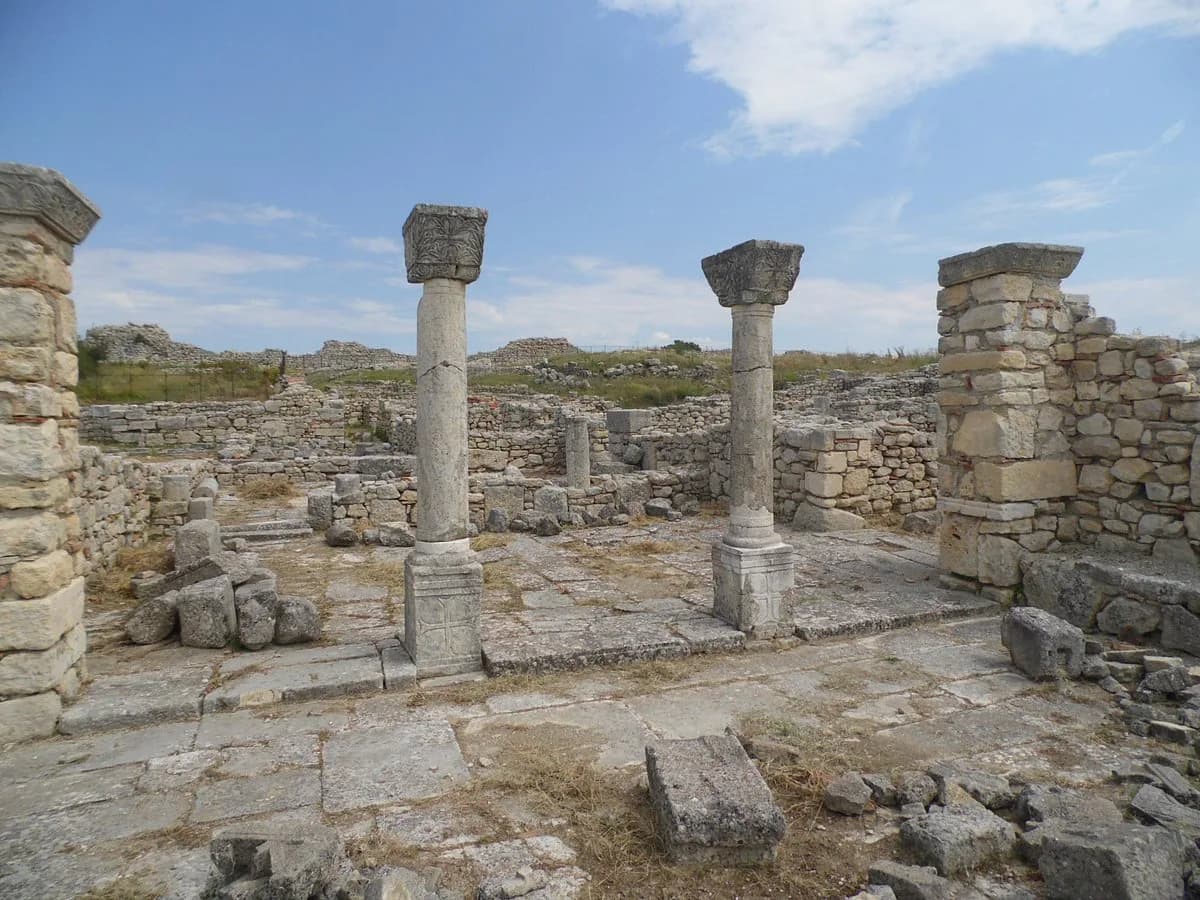
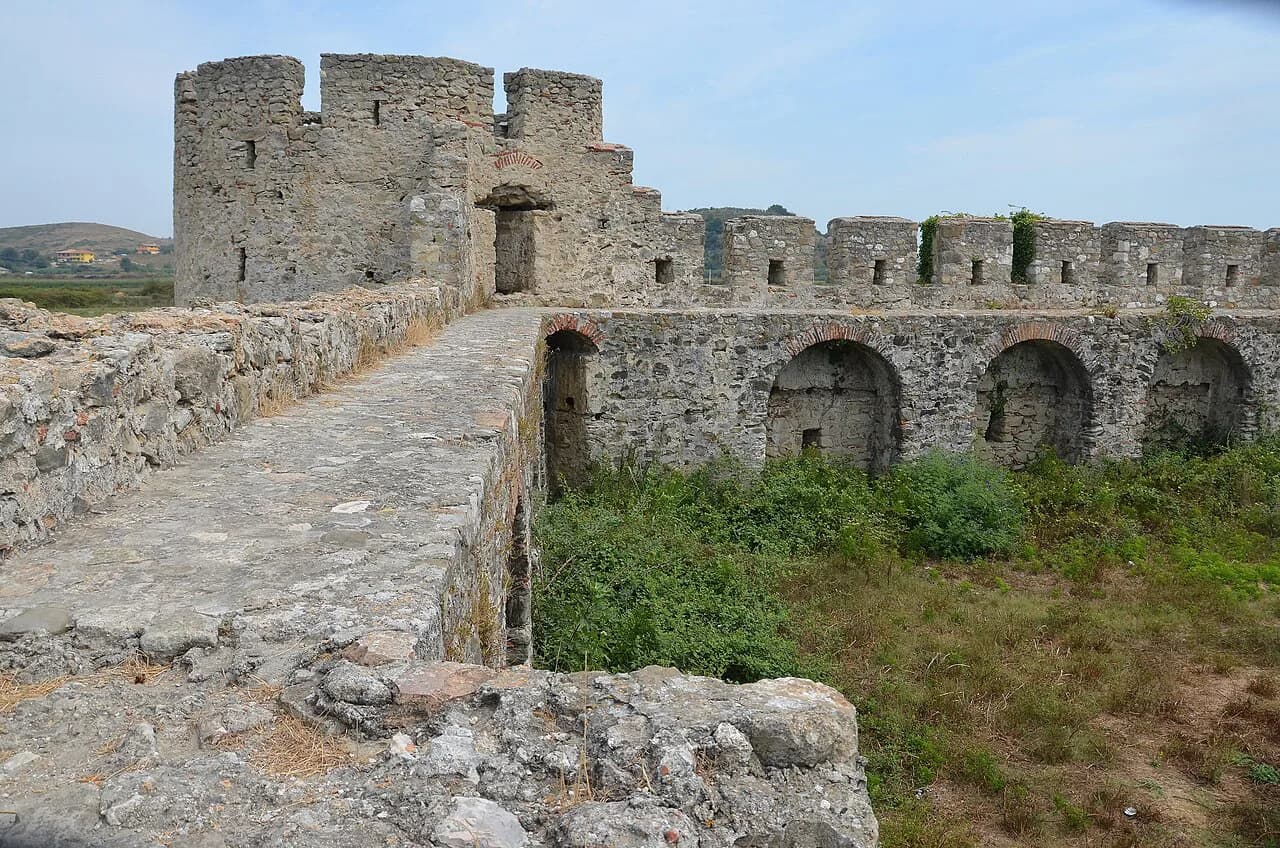
The archaeological park holds a theatre, basilicas and the line of the city walls, spread across a wide hilltop. Visitors describe a Roman city laid out over roughly two kilometres on the ridge, which is why a leisurely circuit takes longer than the map suggests. Treat that figure as an indication of scale rather than a marked route length.
The theatre and the basilicas are the clearest structures to look for, with the basilicas showing the city's later Christian phase. The walls frame the whole visit, so start by picking them out on the skyline before working inwards.
The site is protected as an archaeological park, and the ruins belong to a settlement significant in both the Hellenistic and Roman periods. Allow time to move between buildings on foot and to take in the layout of the city as you walk.
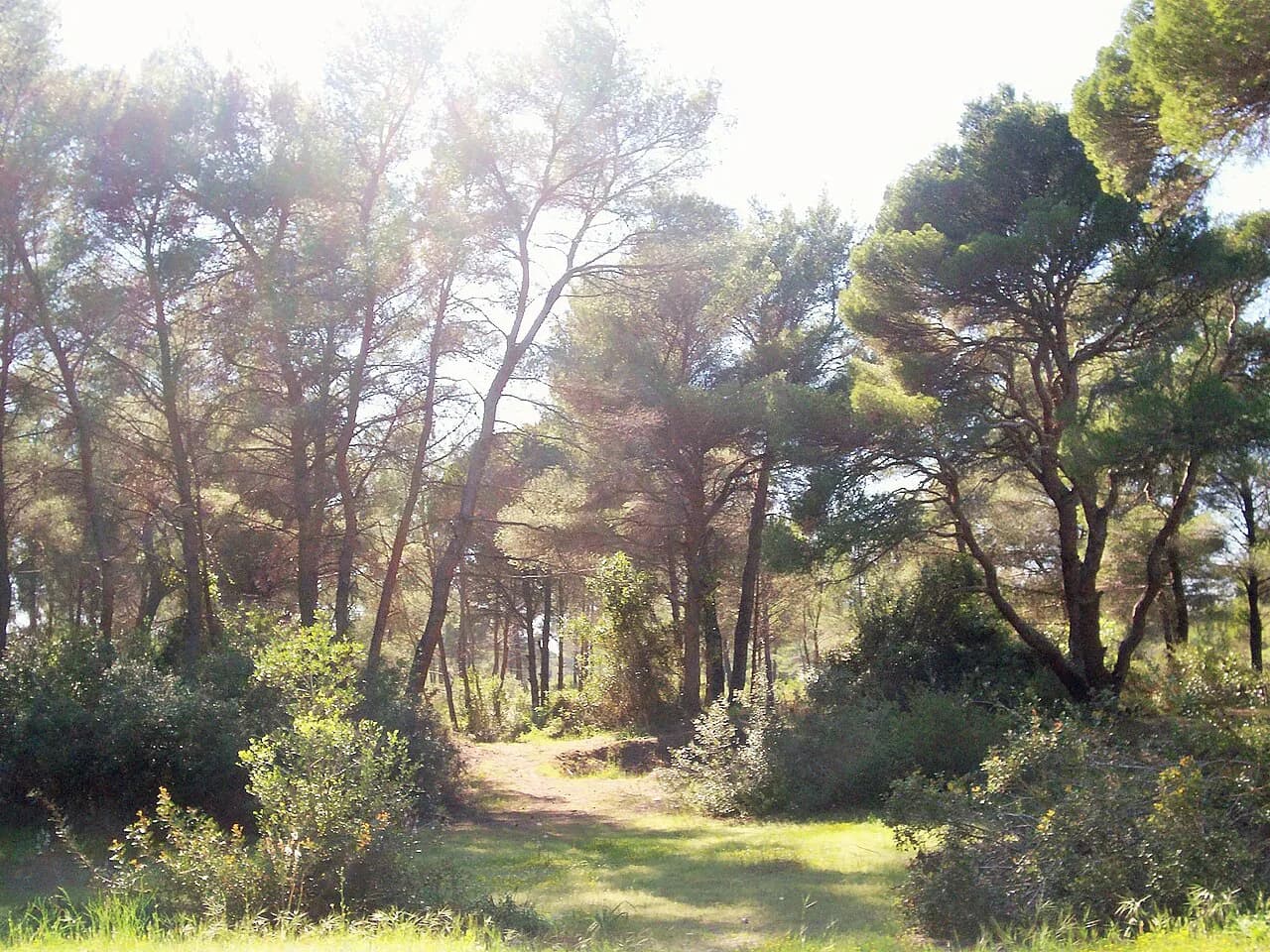
Byllis is often quiet, with the surrounding land used by shepherds from nearby villages. That quiet is part of the appeal, but it also means you should not expect the facilities of a developed visitor attraction.
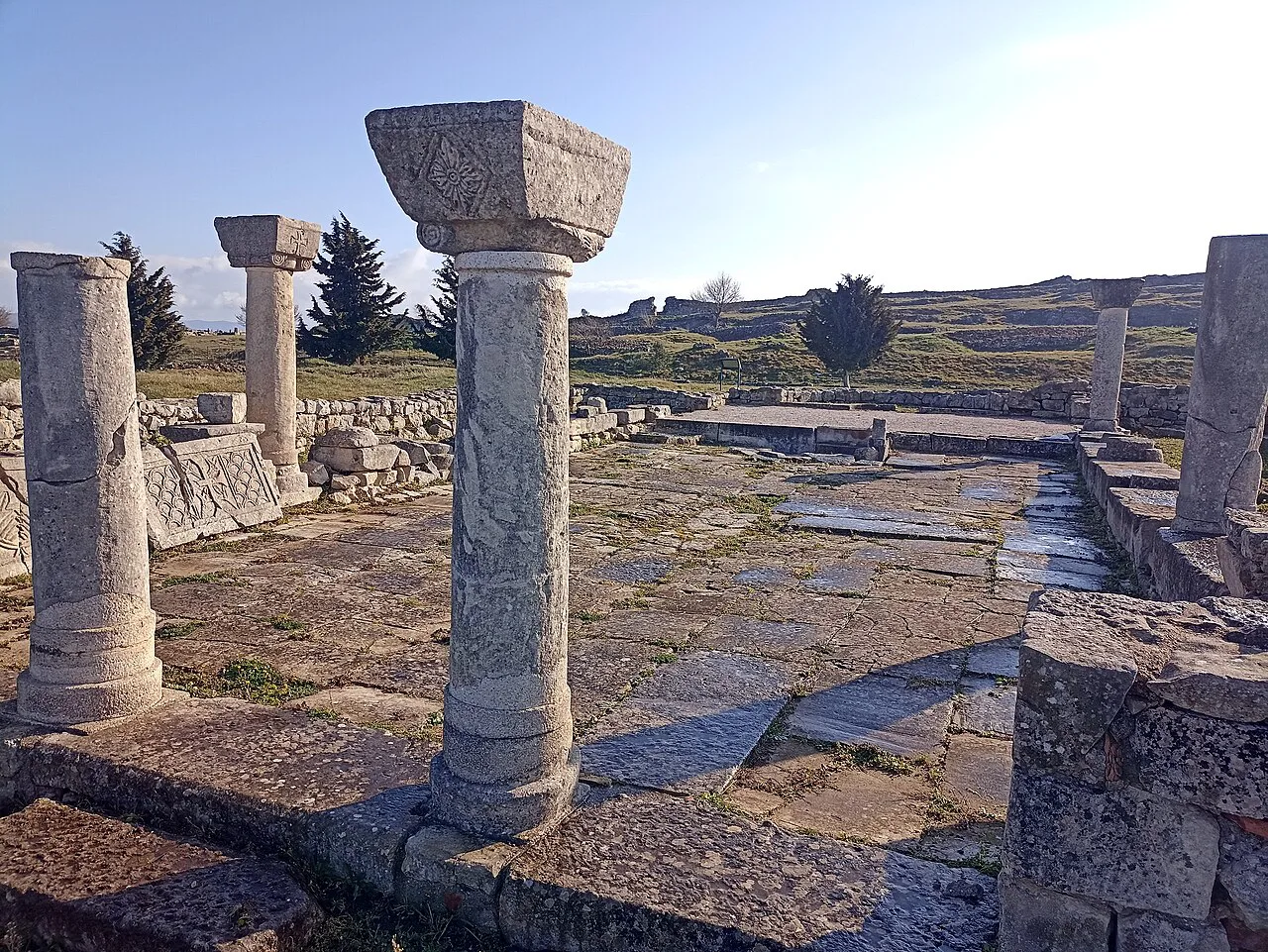
How long Byllis needs and how much walking is involved
Allow two to three hours for Byllis: enough to walk the circuit, look at the theatre, basilicas and walls and take in the valley views without hurrying. Add time if you want to read the on-site information at each monument.
The walking is over open, uneven ground on a ridge, with no continuous shaded path. Sturdy shoes matter more than distance, and anyone with limited mobility should plan a shorter visit focused on the most accessible monuments.
Because the site is explored on foot across exposed hilltop, build in a break rather than pushing through in the middle of a hot day. The visit is short enough to combine with another stop in the same outing.
How to get to Byllis: driving from Fier and the Mallakastër road
Byllis is reached by road via the Mallakastër area near Hekal, and the final stretch climbs to the ridge. Driving is the practical way to get there, with a car giving you the flexibility to arrive early and leave when you are ready.
Coming from Fier, take the road towards Mallakastër and follow the signs for the archaeological park at Hekal. The hill road is narrow in places, so drive it in daylight and check your route before setting off.
Tours that include Byllis cover the site as part of a wider itinerary in the Fier region, usually alongside other ancient monuments. Booking a tour removes the driving and navigation, but it also fixes your time on the ridge, so check what is included before you commit.
Tickets, opening hours and on-site facilities
Ticket arrangements, opening hours and any seasonal closures are not published here, so check them with the park or a current Albanian source before you travel. Arrive expecting basic on-site facilities and bring what you need with you.
Plan as if there is nowhere reliable to buy food or water on the ridge. Carry your own supplies and take your rubbish away with you.
What to bring for a ridge-top site with little shade
Byllis is exposed, so sun protection, a hat, water and a windproof layer are the essentials. The ridge catches both sun and wind, and the weather can change while you are walking between monuments.
Wear shoes with grip for uneven stone and gravel, and carry a charged phone for navigation on the hill road. A paper map or offline map is useful where signal is patchy.
Combining Byllis with Apollonia and the Fier area
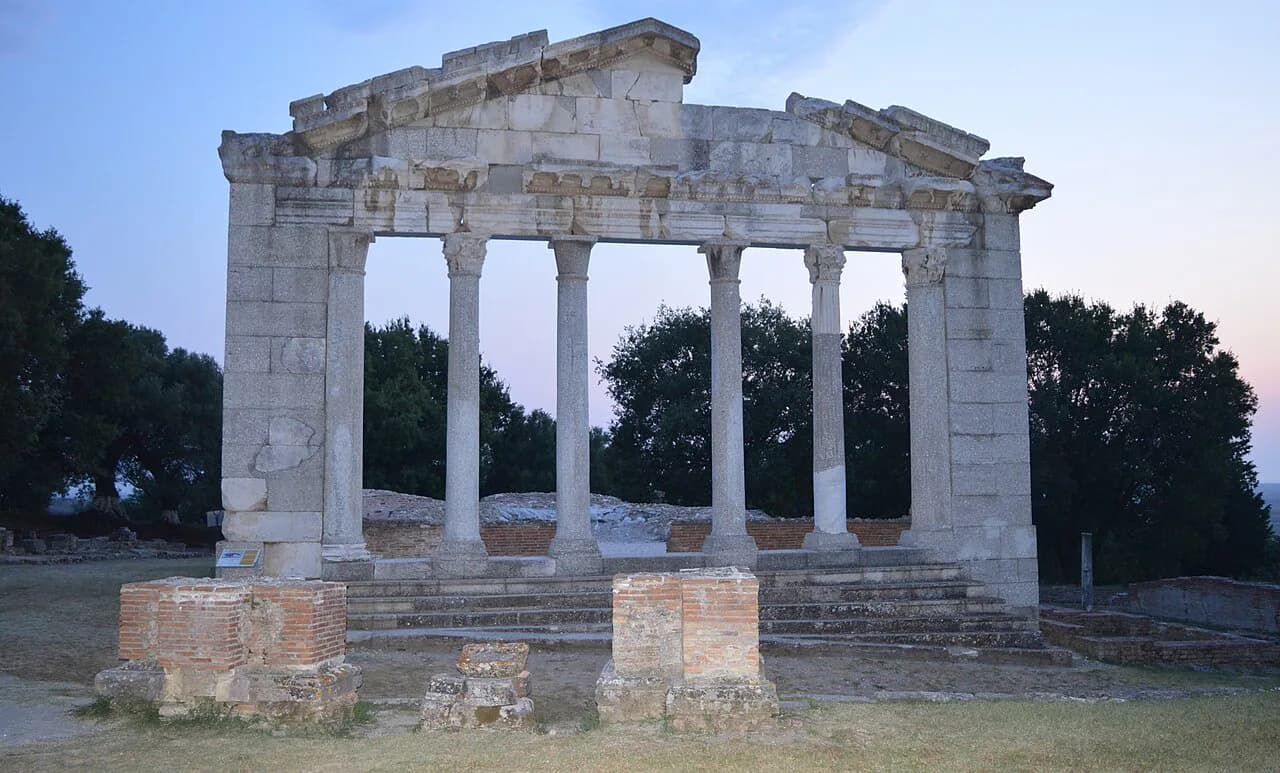
Byllis pairs naturally with Apollonia Archaeological Park, another ancient city in the Fier region, and the two together make a full day of ruins. Visiting both means less time on the road between monuments and a clearer sense of how this part of Albania fitted together in antiquity.
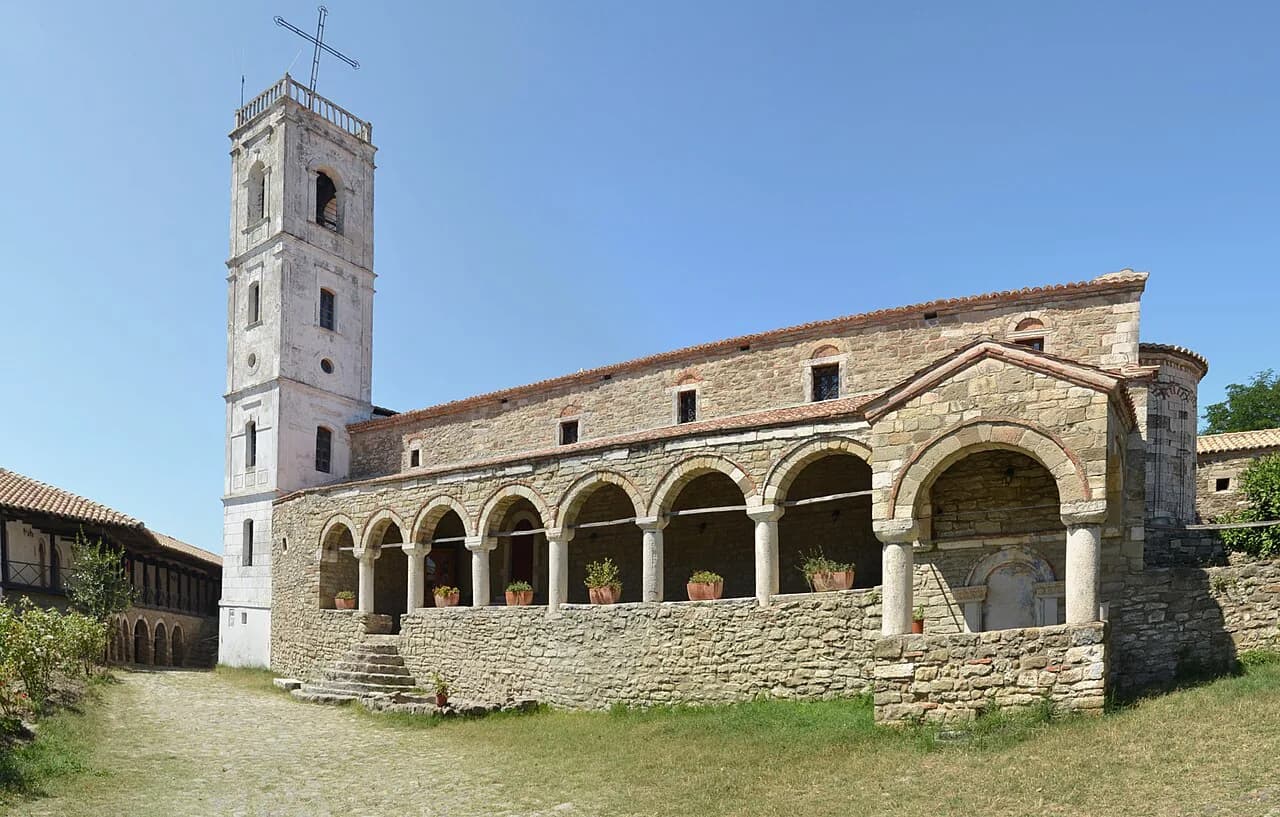
The Ardenica Monastery, known in Albanian as Manastiri i Ardenicës and dedicated to the Birth of the Virgin Mary, sits in the same wider area and is a natural stop on the drive. Its hilltop position and church make a change of pace after a morning among ancient walls.
For a longer stay around Fier, the town itself has the Archaeological Museum Apollonia and works as a base for the surrounding sites. It is a practical stop rather than a highlight in its own right, but it keeps the driving short.
Is Byllis worth the detour from Berat or Gjirokastër?
Yes, if you are already driving through the Fier region and want an ancient city you can walk across in a couple of hours. Byllis rewards travellers who enjoy reading ruins in the landscape, and it is a sensible add-on rather than a destination in itself.
From Berat or Gjirokastër, Byllis works best as a stop on a longer drive rather than a separate out-and-back trip. Combining it with Apollonia and Ardenica gives the detour enough substance to justify the extra time on the road.
Skip it if you are short of time or relying on public transport, because the ridge is reached by a hill road that suits a car. In that case, put your hours into Apollonia, which is easier to reach and has a museum.
Which Fier-area ruins fit your day
Byllis suits a half-day in the Fier region with your own car: two to three hours on an exposed ridge among walls, a theatre and basilicas. Pair it with Apollonia and Ardenica for a full day of ancient and religious sites rather than making it a standalone trip.
Before you set off, confirm the current ticket arrangements, opening times and road conditions, then pack water, sun protection and sturdy shoes for the ridge. A clear forecast and an early start make the most of the visit.
Explore more Fier guides
Frequently Asked Questions
Can you visit Byllis independently without a tour?
Byllis is an archaeological park that you explore on foot, and you can reach it by road via the Mallakastër area near Hekal. Tours are available if you prefer not to drive, but you do not need one to see the site.
How do you reach Byllis from Berat?
Drive south towards the Fier region and then follow the Mallakastër road to Hekal and the hill road up to the park. Byllis works best as a stop on a longer drive, ideally combined with Apollonia and Ardenica rather than an out-and-back trip.
Is there a ticket office at Byllis?
Ticket arrangements and opening hours are not published in the sources used here, so confirm them with the park or a current Albanian source before travelling. Do not assume a staffed office or facilities on the ridge, and bring water and food with you.
Sources
Notes for your Albania trip
Optional updates to our Albania town guides.
You might also like
Continue reading
More guides you'll find useful