Fier, Albania: What to See and How Long to Stay
Use Fier as a one-night base for the Archaeological Museum Apollonia and the ancient site outside town, with practical notes on transport, currency and timing.
On this page
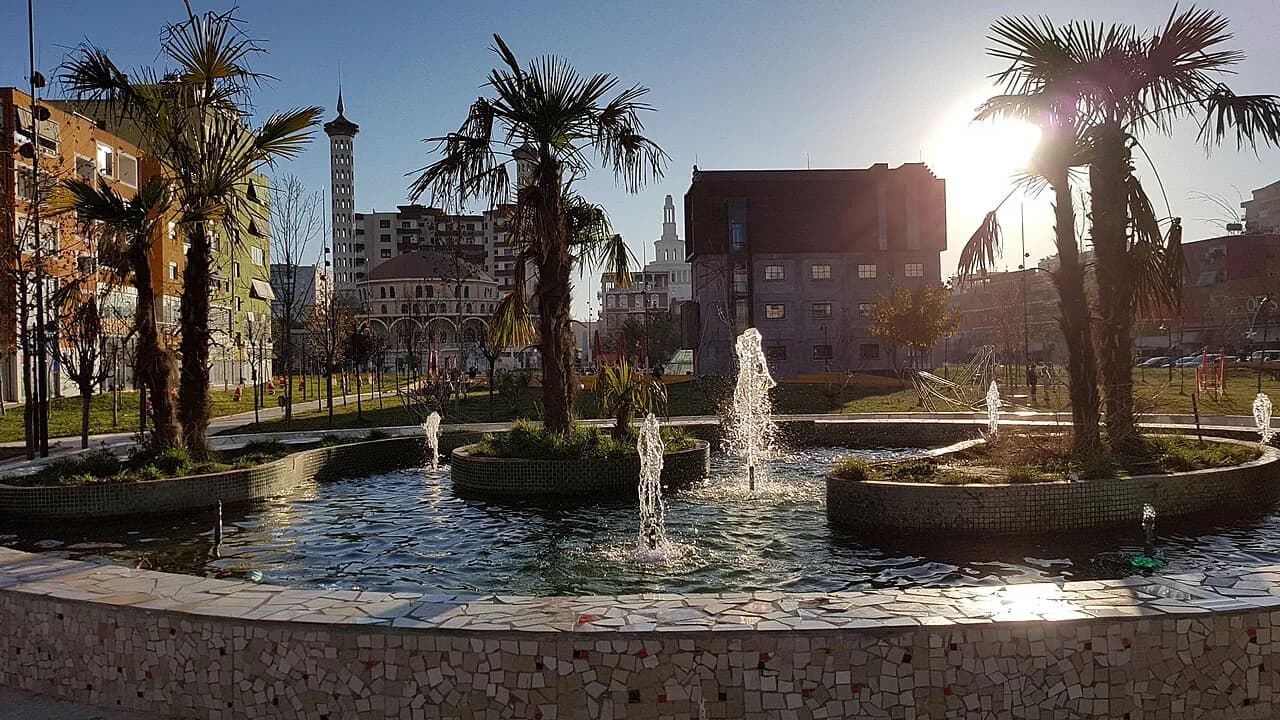
Fier is a working southern Albanian town rather than an old-town stop, and half a day is enough for the town itself. Its pull for visitors is Apollonia: the archaeological site and the museum in Fier that carries its name. This guide separates what sits in Fier from what sits near it, then covers how to get there and how to slot it into a wider route.
What Fier is and where it sits in southern Albania
Fier is the capital of the Fier region in southern Albania, on the coastal plain behind the Adriatic shore and inland from the Vlorë coast. Travellers use it as a town stop on the road south rather than as a base for the Riviera, which begins further down the coast. The city's currency is the lek (ALL), which is what you will spend in shops, cafés and museums here.
Apollonia is the reason most itineraries include Fier at all, and the town's museum is named for it. Plan the day around that rather than around the streets, which are modern and short on the Ottoman quarters you find in Berat or Gjirokastër. If you want a hilltop Illyrian and Roman city as a contrast, Byllis Archaeological Park is a separate excursion.
How to get to Fier by bus, furgon or car
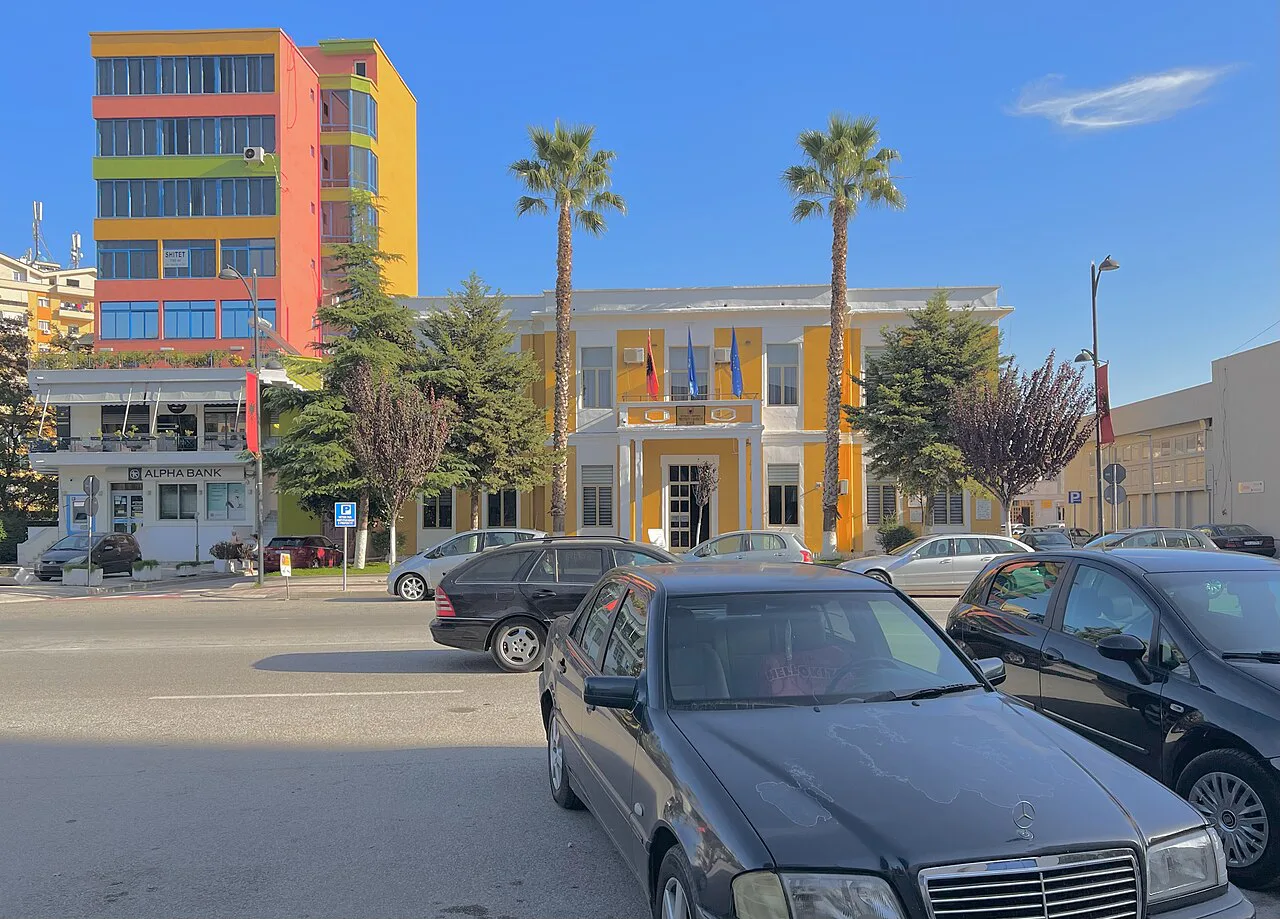
Fier sits on the main north–south corridor of southern Albania, so buses and furgon minibuses passing between Tirana, Durrës, Berat and Vlorë are the usual way in. Services run from bus stations and roadside stops rather than a single terminal, so confirm the departure point in the town you are leaving before you set out. Operators change timetables seasonally, so ask at the station counter on the day.
By car, Fier is straightforward to reach on the main roads, and the town is compact enough to cross on foot once you have parked. Driving gives you the flexibility to combine the town museum with the Apollonia site in one day, which is harder on public transport. Furgon and bus times are not published in a single reliable place, so build slack into any connection.
What to see in Fier town
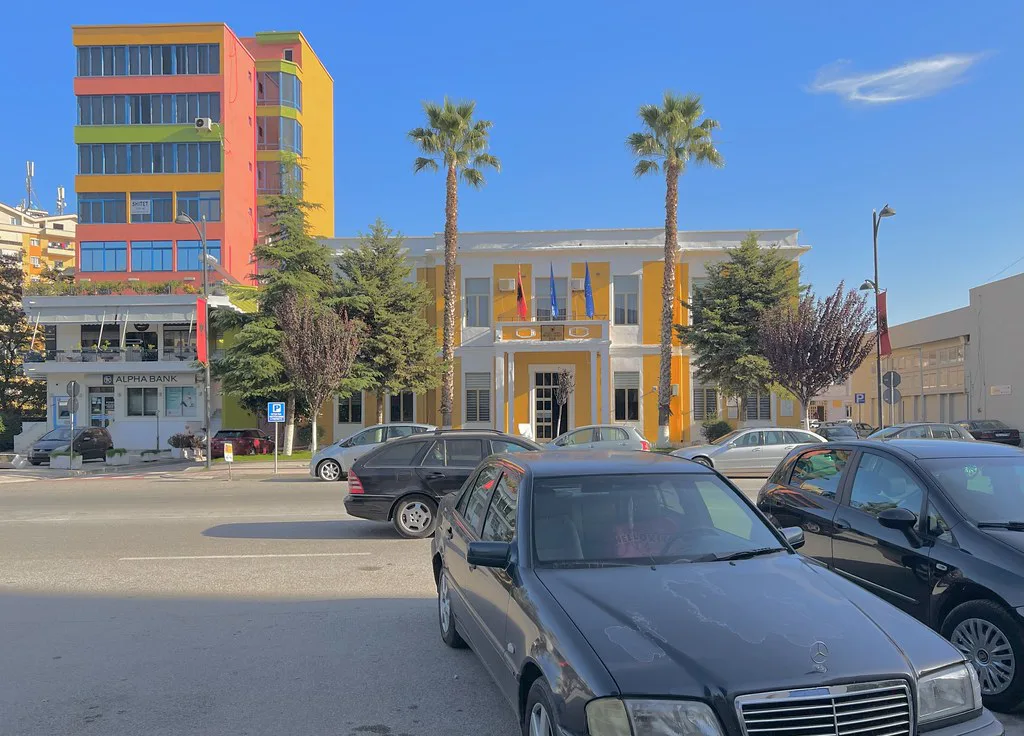
The Archaeological Museum Apollonia is one of the sights named in Fier's town listings, alongside the university and Teatri Bylis. For the layout, surviving monuments and visiting details of the ancient city itself, start with the Apollonia Archaeological Park guide.
Universiteti i Fierit, the city university, and Teatri Bylis, a theatre in Fier, are among the other named landmarks in the town's listings. They are working institutions, so treat them as features to pass on a walk through the centre rather than visitor attractions to plan a stop around.
The town's listings also name a TAP pipeline station monument and a site called Renato Albania among its monuments. They appear only as entries in a listing, with no described visitor facilities, so skip them unless you have a specific reason to seek them out.
The Apollonia site and why it draws visitors to Fier
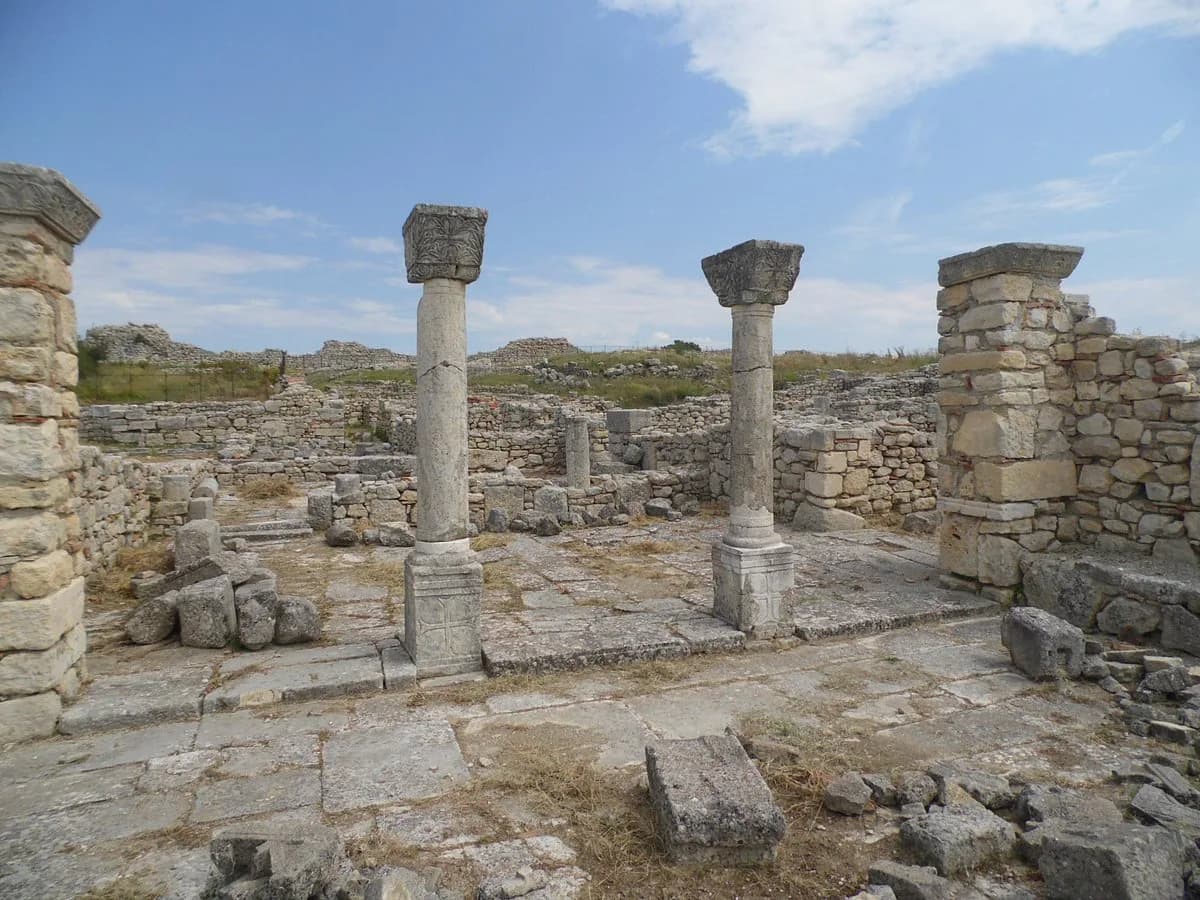
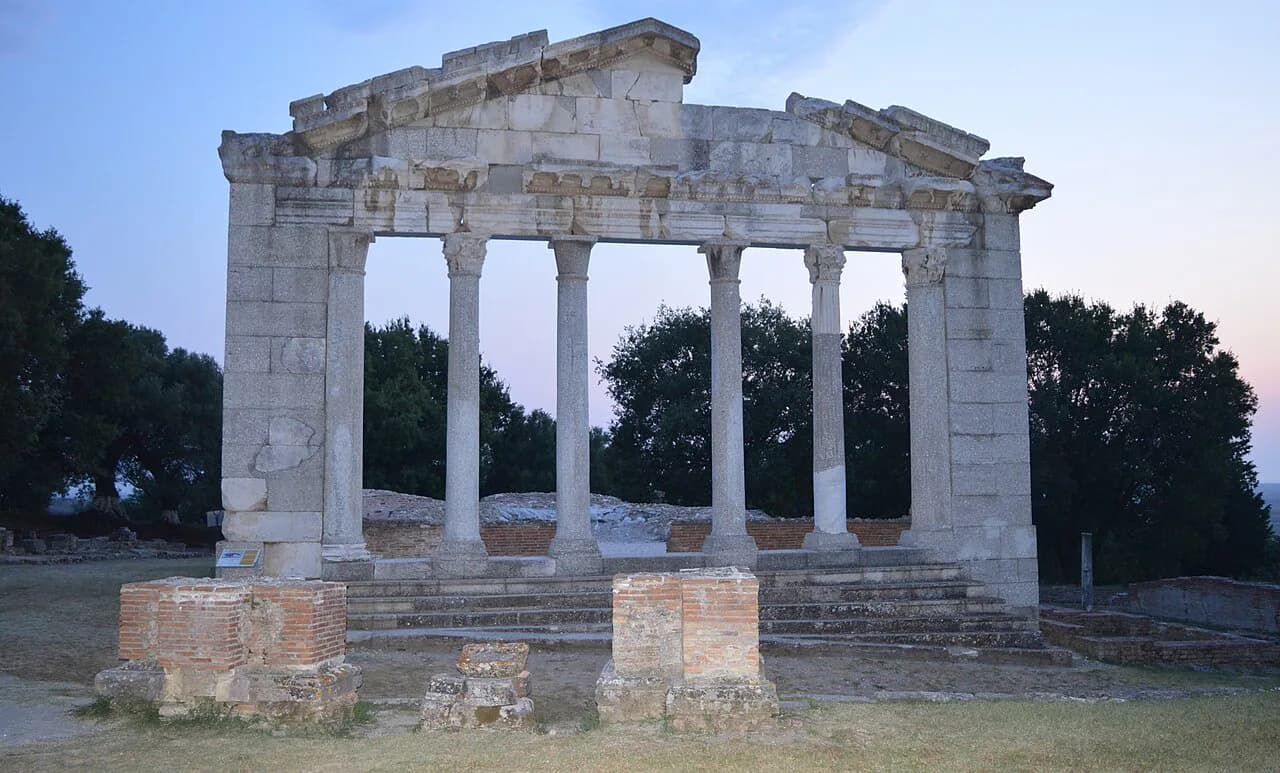
Apollonia Archaeological Park is the ruins of an ancient city in the countryside outside Fier, and it is what brings most travellers to the area. The town museum is named after it, so the two are visited together: museum first, then the site, or the other way round depending on your transport. For the layout, what stands there and how to walk it, start with the Apollonia Archaeological Park guide.
The park is a separate trip from the town centre, so you need either your own wheels or a lift arranged in Fier. Opening hours and any entry charge are set by the site, and you should confirm them locally or on the official park page before travelling out, since they can vary with the season. Do not assume the museum and the park keep the same hours.
Allow time to walk the site rather than treating it as a photo stop. The landscape around Apollonia is open country, so take water and sun protection in summer, when the plain gets hot. There is no shaded old-town street to duck into here.
Other stops near Fier
Buthrotum, better known as Butrint, appears among the sites listed near Fier, but it is far down the coast beyond Sarandë, not a quick hop from town. Treat it as a separate stop on a southern itinerary rather than a Fier day trip. The same goes for Sagiada Bay, which lies across the water toward the Greek border.
The Blue Eye, Syri i Kaltër, and Bones Bay are also listed near Fier, and both are genuinely closer to the Sarandë and Gjirokastër side of the region. If either is on your list, plan them from that end of the journey rather than from Fier. Distances on the map are deceptive on these roads.
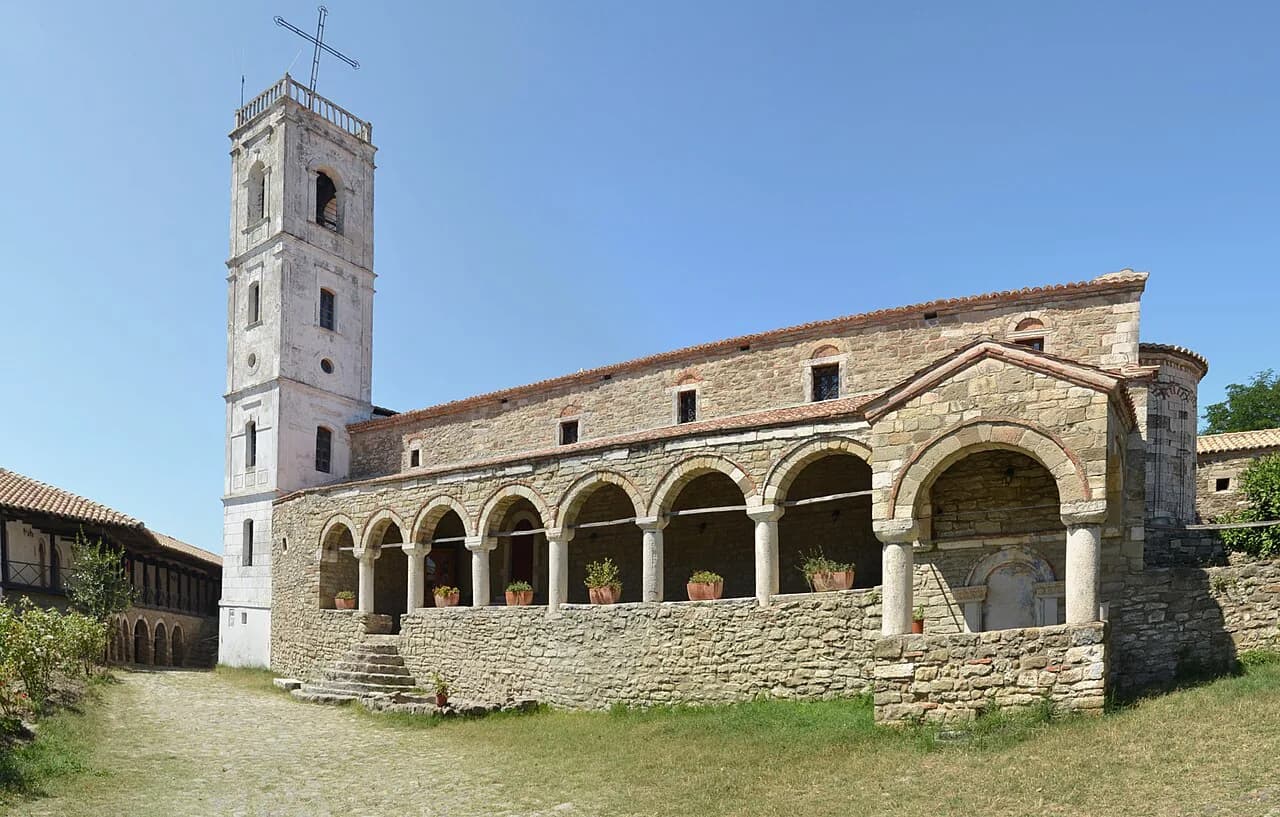
Inland from the coastal plain, Ardenica Monastery, Manastiri i Ardenicës, sits on the route toward Berat and makes a sensible stop if you are driving that way. The church is dedicated to the Birth of the Virgin Mary and is a working monastery, so dress and behaviour should match a religious site rather than a ruin. Check the gate is open before you commit the detour.
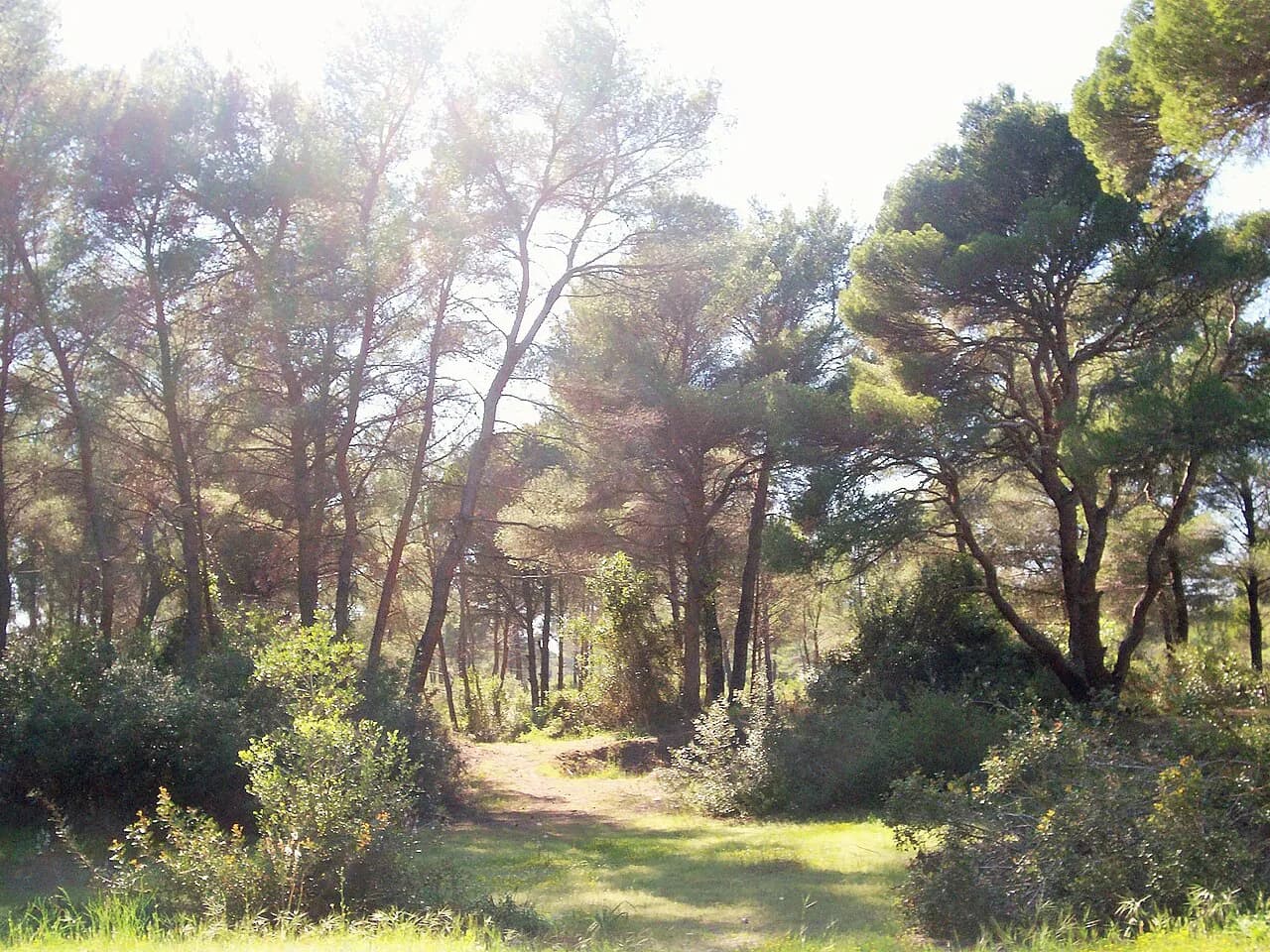
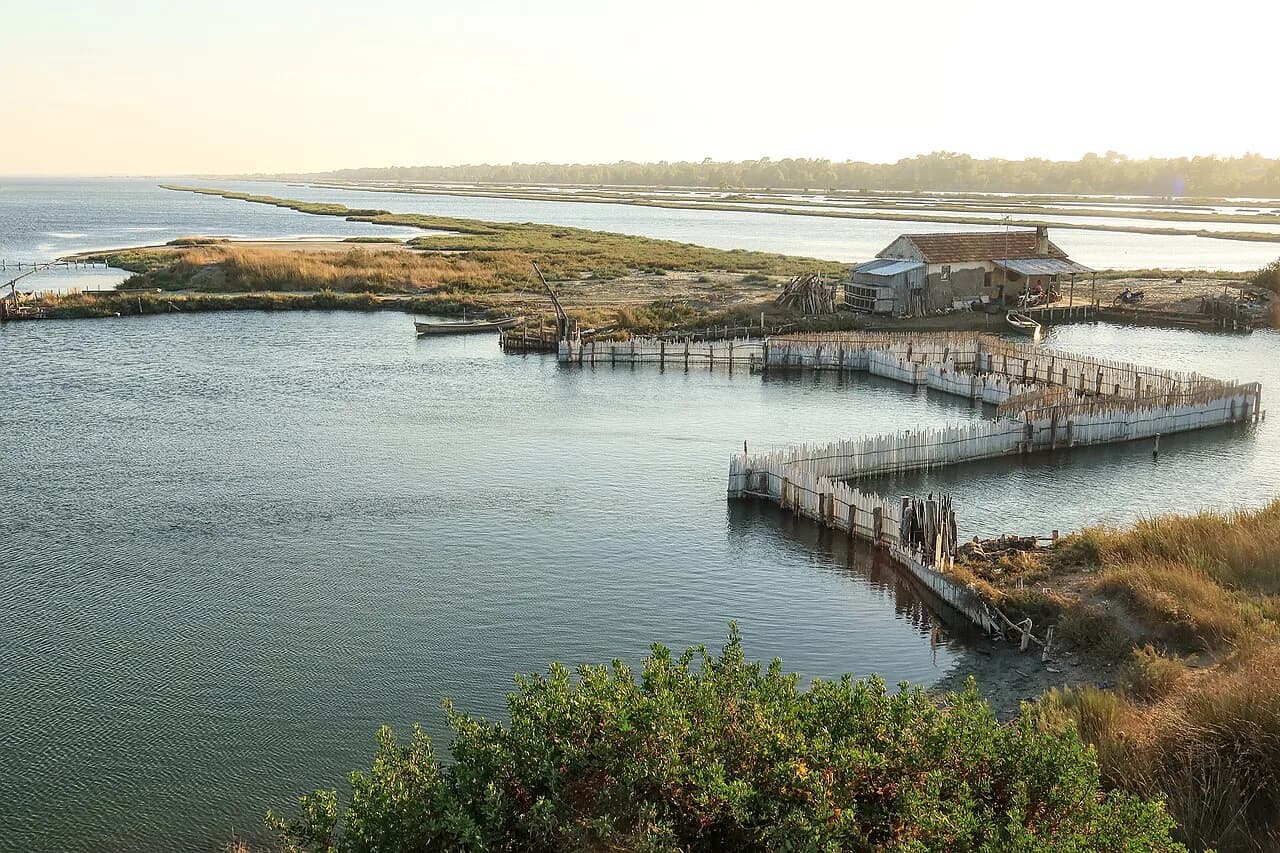
Toward the coast, Divjakë-Karavasta National Park and the Karavasta Lagoon give you a wetland stop with birdlife and the Divjaka pine forest between the plain and the sea. It suits a half-day by car and pairs naturally with a Fier overnight. Read the Divjakë-Karavasta National Park guide before setting out.
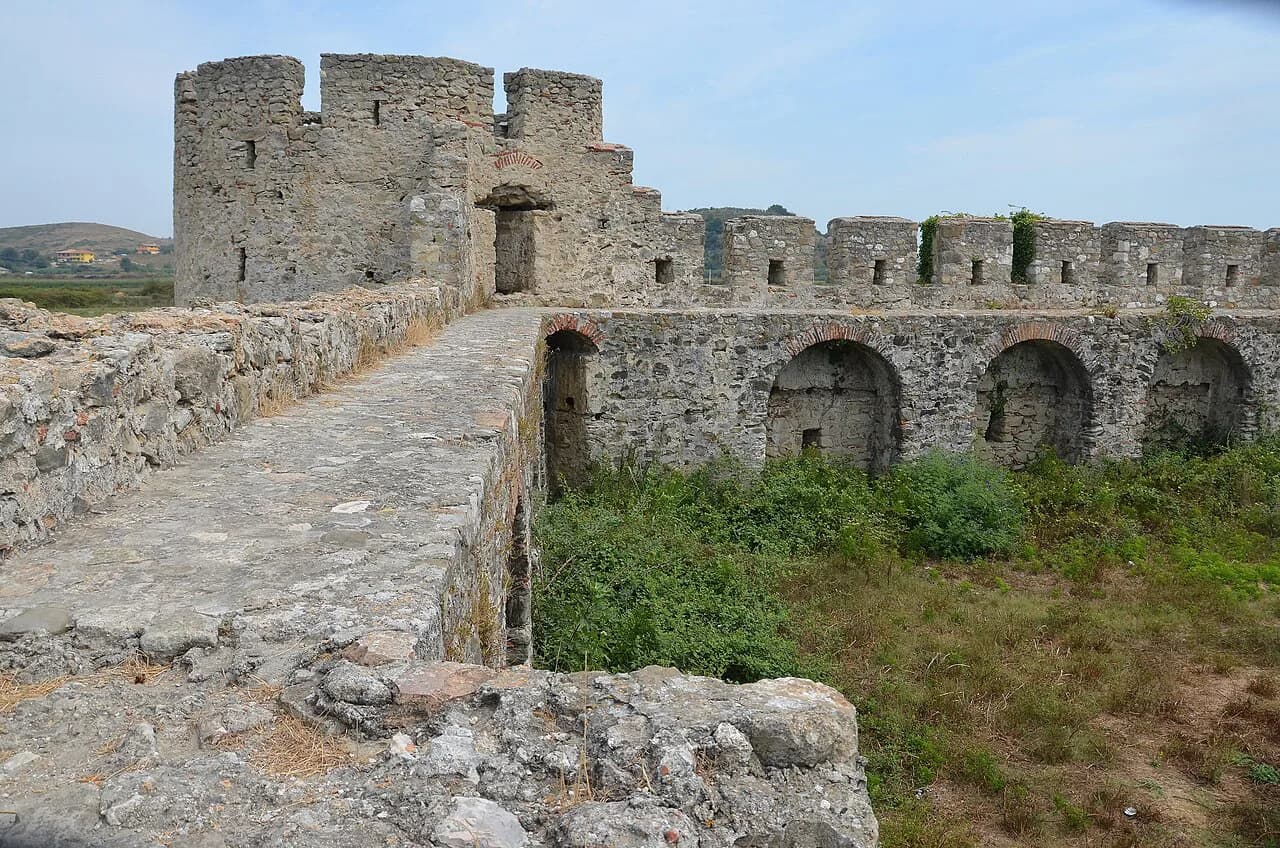
Bashtova castle, the Fortress of Bashtovë, stands on the Shkumbin River plain north of Fier and is another car-based stop on the way toward Durrës. It is a ruined fortification in open country rather than a staffed attraction, so go with your own transport and time to spare.
How long Fier and Apollonia need
Give the town itself about half a day: the Archaeological Museum Apollonia plus a short walk past the university and the theatre covers it. Apollonia, out in the countryside, needs a further half day including the drive. One full day in Fier therefore works if you have a car or a arranged lift.
If you are relying on buses and furgon, the town alone fits an afternoon between connections. Adding Apollonia means either staying a night in Fier or accepting a tight, stressful day. Most travellers do better using Fier as a one-night base and seeing the site the next morning.
In summer the plain is hot and the site is exposed, so start early rather than arriving at midday. In spring and autumn the walking is easier and the light on the ruins is better for photographs. There is no old-town shade to fall back on.
Practical notes: currency, hours and what to confirm
Prices in Fier are in lek (ALL), the Albanian currency, and you should carry cash for small cafés and local transport. Card acceptance varies by business, so do not rely on it for a museum ticket or a furgon fare. Rates move, so check the current exchange rate before you travel rather than planning around a fixed figure.
Museum and site hours in Albania change with the season and are not consistent from one attraction to the next. Confirm the Archaeological Museum Apollonia and the Apollonia park separately, by phone or on the official page, on the day before you go. This is the one detail worth double-checking for every visit.
Where to go next: Durrës, Tirana, Berat and Shkodër
Fier slots neatly between the coast and the central towns. Durrës, Tirana, Berat and Shkodër are all listed as nearby cities, and each works as the next stop on a loop through the country. Berat, with its old quarters and castle, is the natural contrast to Fier's modern streets.
Going south, Vlorë and the Riviera lie beyond the plain, and the road down is where the coastal part of a trip begins. Going north, the route toward Durrës and Tirana is fast and well served by buses. Plan Fier as a hinge between the two halves of an Albanian route rather than a destination in itself.
Should Fier be a stop or a base?
Treat Fier as a one-night base for Apollonia rather than a town to tour in its own right. The museum, the park and a short walk past the university and theatre fill a day comfortably. If you have no car, the town alone is an afternoon between buses, so plan your onward connection before you arrive.
Build the rest of the route around the plain: Ardenica Monastery toward Berat, Divjakë-Karavasta toward the coast, and Bashtova castle on the way to Durrës. Each needs wheels and a little slack in the day. Confirm museum and site hours, and carry lek in cash, before you set out.
Frequently Asked Questions
Is Fier worth visiting in Albania?
It is worth a stop if you want to see Apollonia and its museum, which is the main reason travellers come here. The town itself is modern and short on old quarters, so do not expect Berat or Gjirokastër. Plan around the site and museum rather than the streets.
What is Fier known for?
Fier is known in travel terms for the Archaeological Museum Apollonia and for the ancient site of Apollonia in the countryside nearby. The town also has a university and the Teatri Bylis theatre, which are working institutions rather than attractions.
How do I get to Fier without a car?
Buses and furgon minibuses on the main southern corridor link Fier with Tirana, Durrës, Berat and Vlorë. Departure points vary by town, so confirm the stop and time at the station counter before you set out. Timetables change seasonally.
What currency is used in Fier?
Fier uses the Albanian lek (ALL). Carry cash for small cafés, museum tickets and minibus fares, since card acceptance varies by business. Check the current exchange rate before you travel.
Sources
Notes for your Albania trip
Optional updates to our Albania town guides.
You might also like
Continue reading
More guides you'll find useful