Borsh, Albania: The Village, the Castle and the Coast
Borsh on the Albanian Riviera pairs a long gravel bay with the hilltop Borsh Castle and olive-growing village lanes. Here is how to plan both in one visit.
On this page
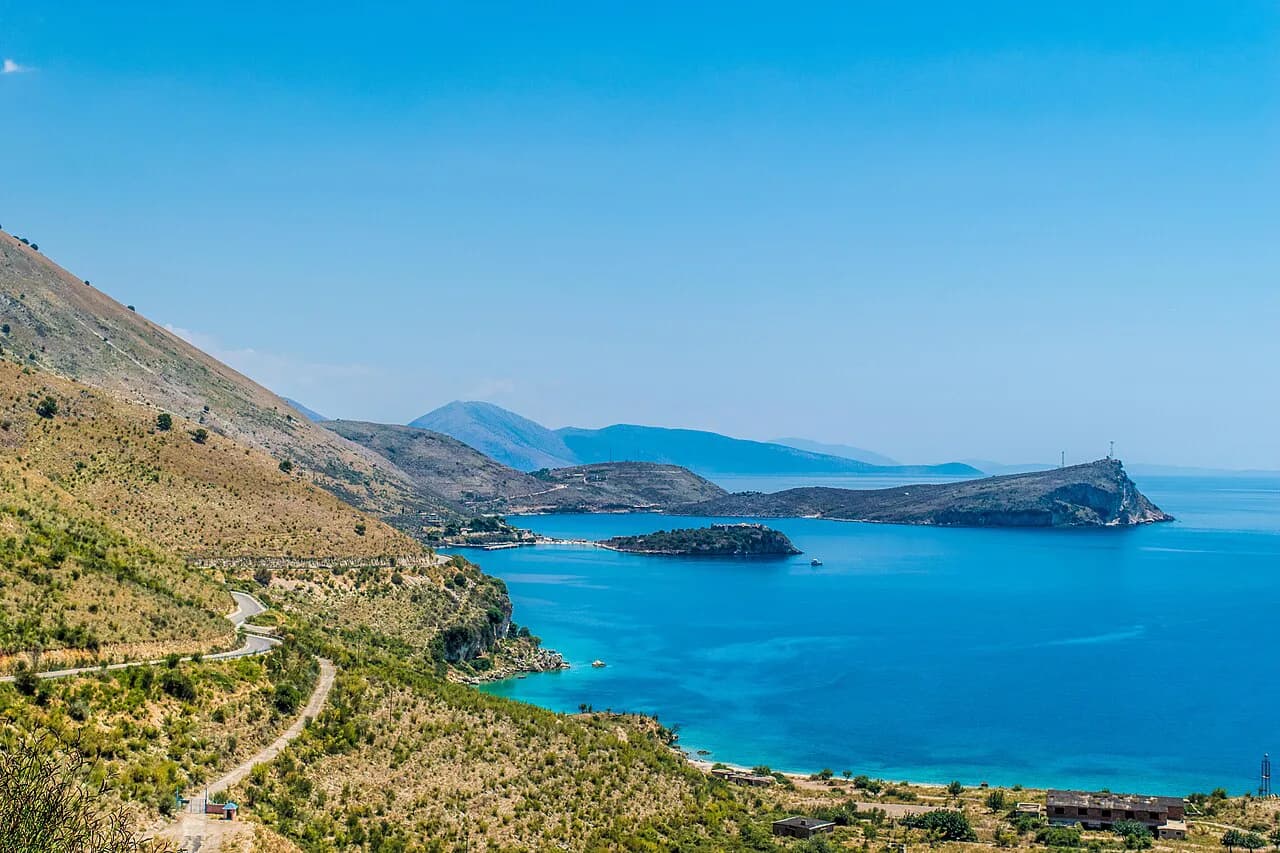
Borsh gives you a bay of white gravel and clear Ionian water at road level, with a stronghold above the village and the settlement in between. Allow most of a day if you want both the climb and the swim, and do the castle first while the morning is cooler. This guide sets out the layout and how Borsh fits a wider Riviera drive.
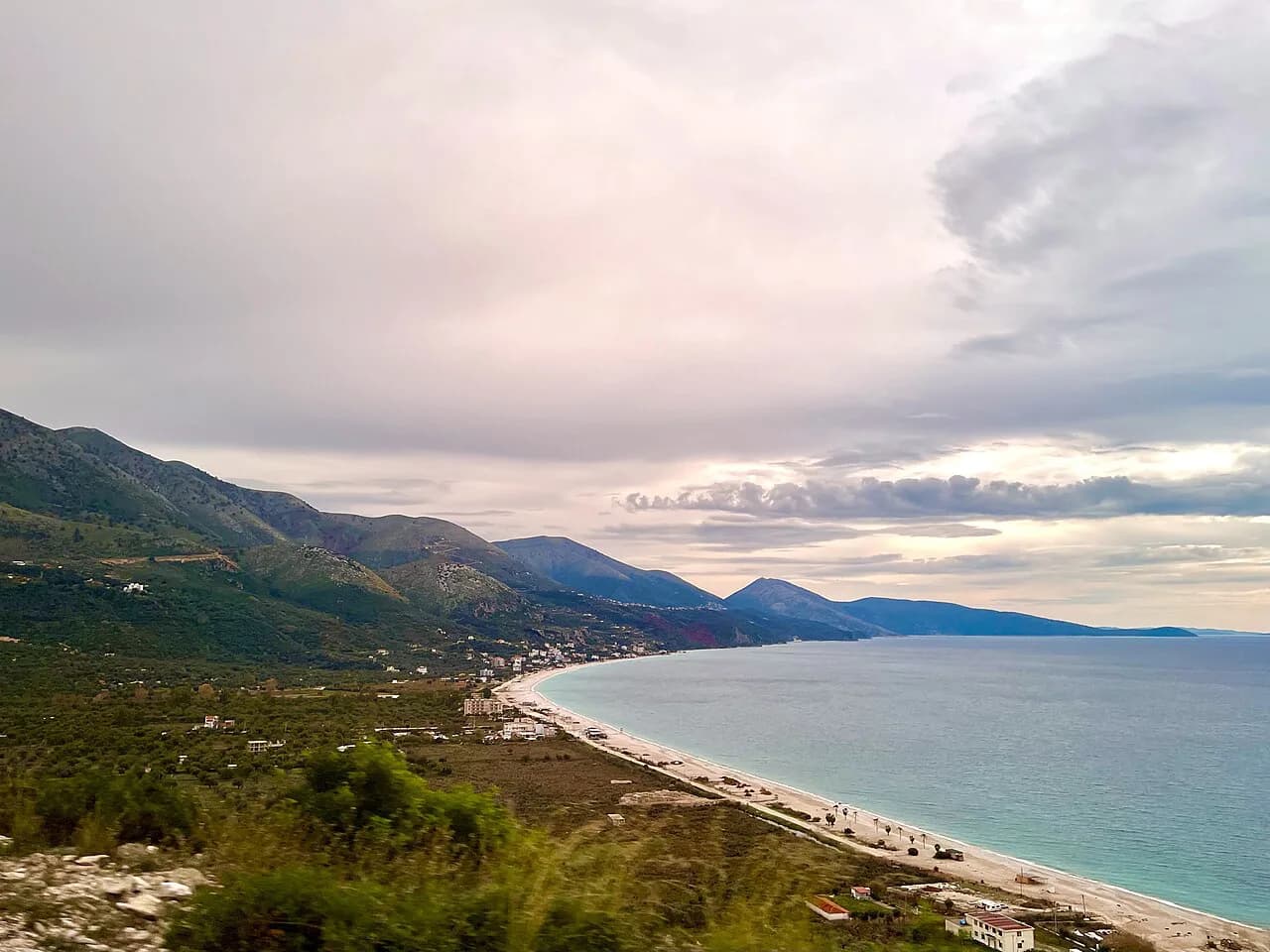
Borsh sits in Lukovë, on the coast south of the Llogara Pass and north of Sarandë, so it comes up naturally on the drive along the Ionian. The village itself is set slightly back from the water, with houses, small hotels and rooms let to summer visitors around the bay. Read on for the shoreline, the castle hill, the lanes around the village, and the honest trade-offs of heat and a stiff climb.
What and where Borsh is on the Albanian Riviera
Borsh is a maritime village in the Lukovë municipality, reached on the coastal road that runs between Sarandë and Vlorë. It is a natural stop on a Riviera drive rather than a base for the whole coast, so arriving mid-morning and leaving after a swim suits the place.
For the Riviera village, the useful places to look are the bay, the stronghold above it and the lanes of the settlement. The Albanian Riviera map is the quickest way to see how Borsh lines up with its neighbours before you commit to a route.
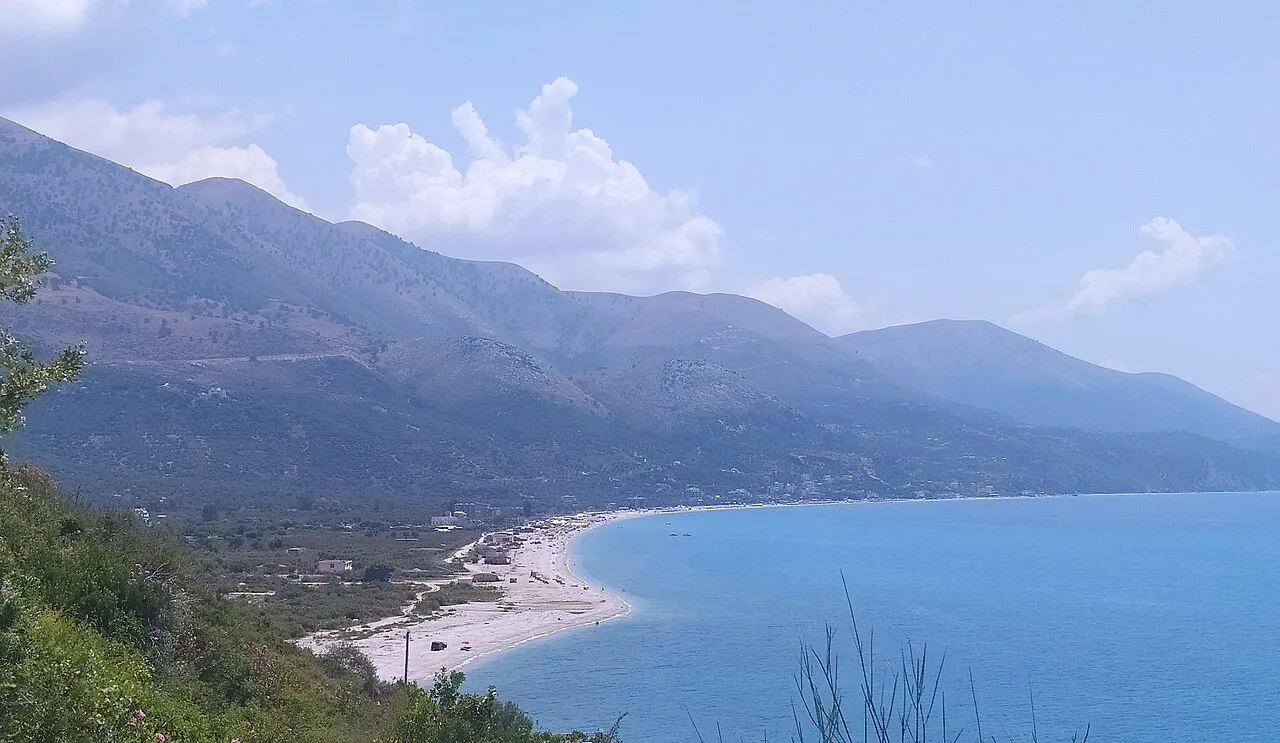
The bay at Borsh: the long pebble shoreline and clear Ionian water
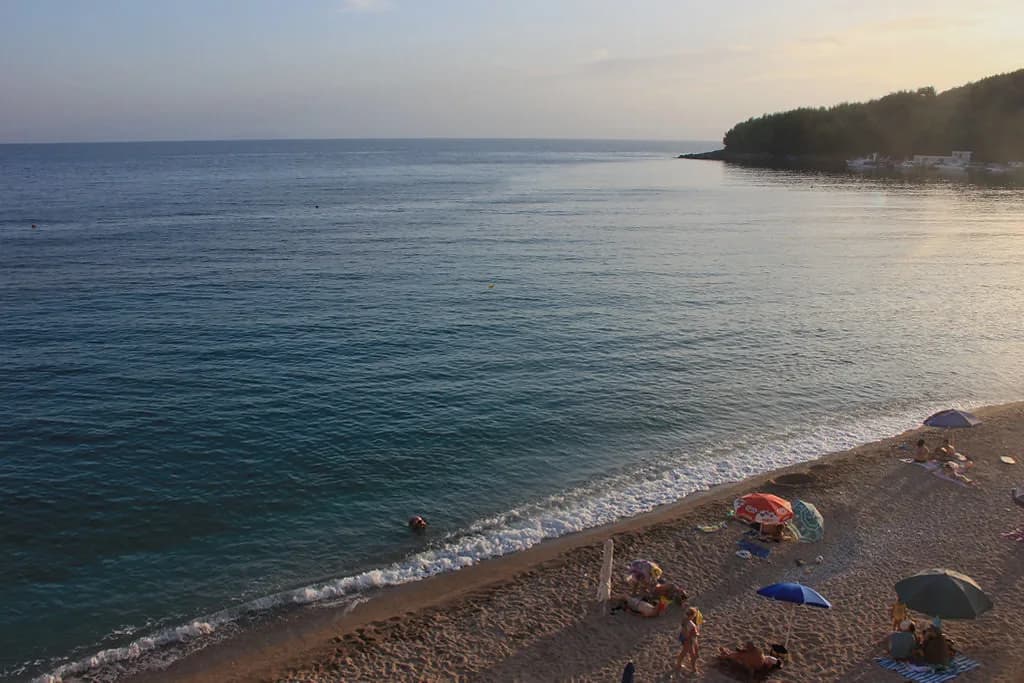
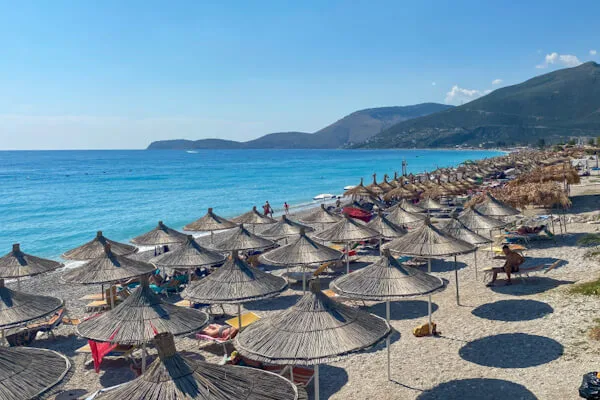
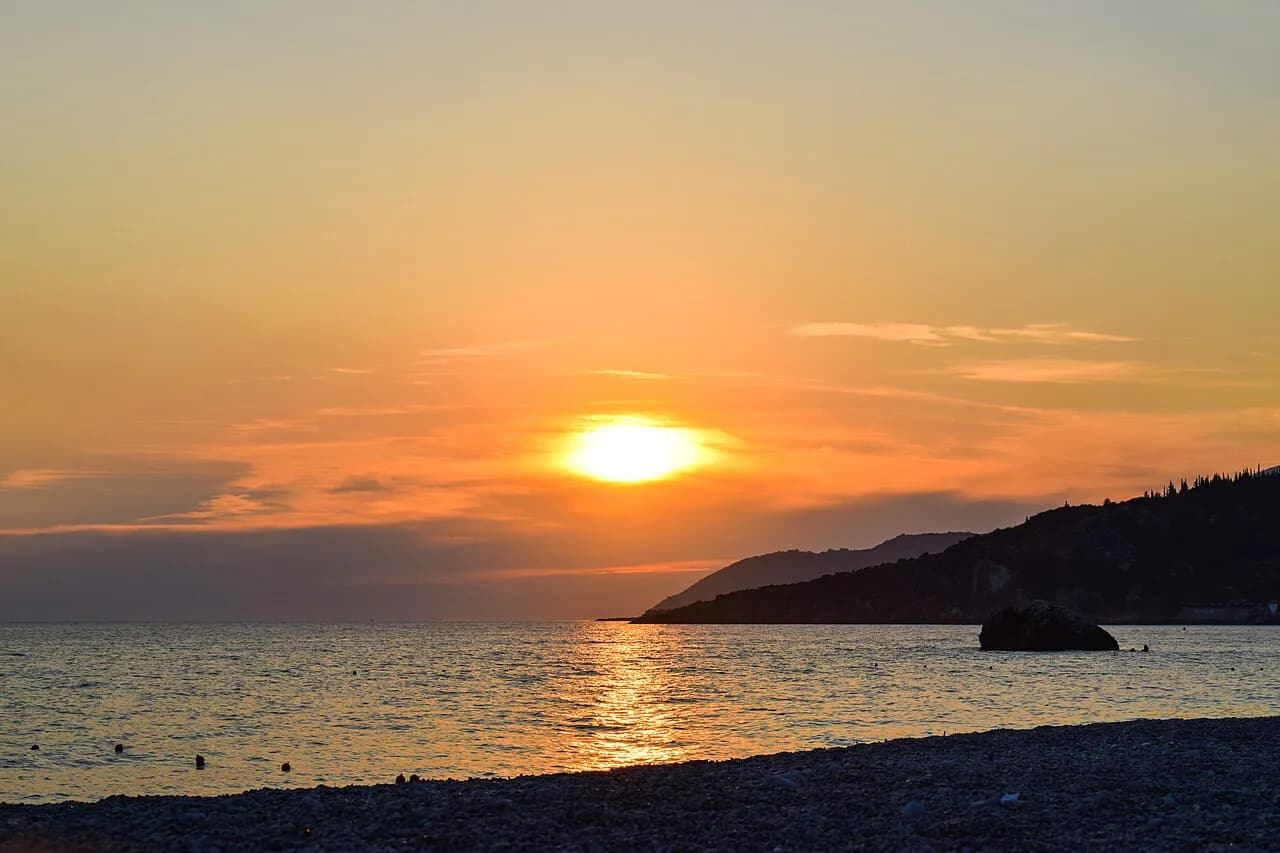
The bay runs several kilometres along the coast and the beach is white gravel rather than sand, so bring footwear you can walk on comfortably and something to sit on. The water is the clean Ionian you came for, and the length of the shoreline means you can walk away from the busiest stretch. Small bars serve the beach in summer, and houses around the bay take in visitors.
Borsh has two beaches, with the main shoreline below the village and a second within the same stretch of coast. Summer conditions are warm rather than hot in the water: typical June to September averages run around 25–30°C in the air and 24–26°C in the sea. Treat those as climate averages for planning, not a forecast, and check the daily outlook before you set out.
Borsh Castle: the hilltop stronghold above the village
Borsh Castle sits on the hill above the village, a stiff ascent from the road. The stronghold is in good condition, and the height gives you a wide view over the bay and the coast. Go early in the day, when the heat is lower, and carry water for the walk up.
Both the castle and the beach are listed among the things to do in Borsh, so expect company in high summer. Leave the car below the climb and walk up rather than trying to drive to the walls.
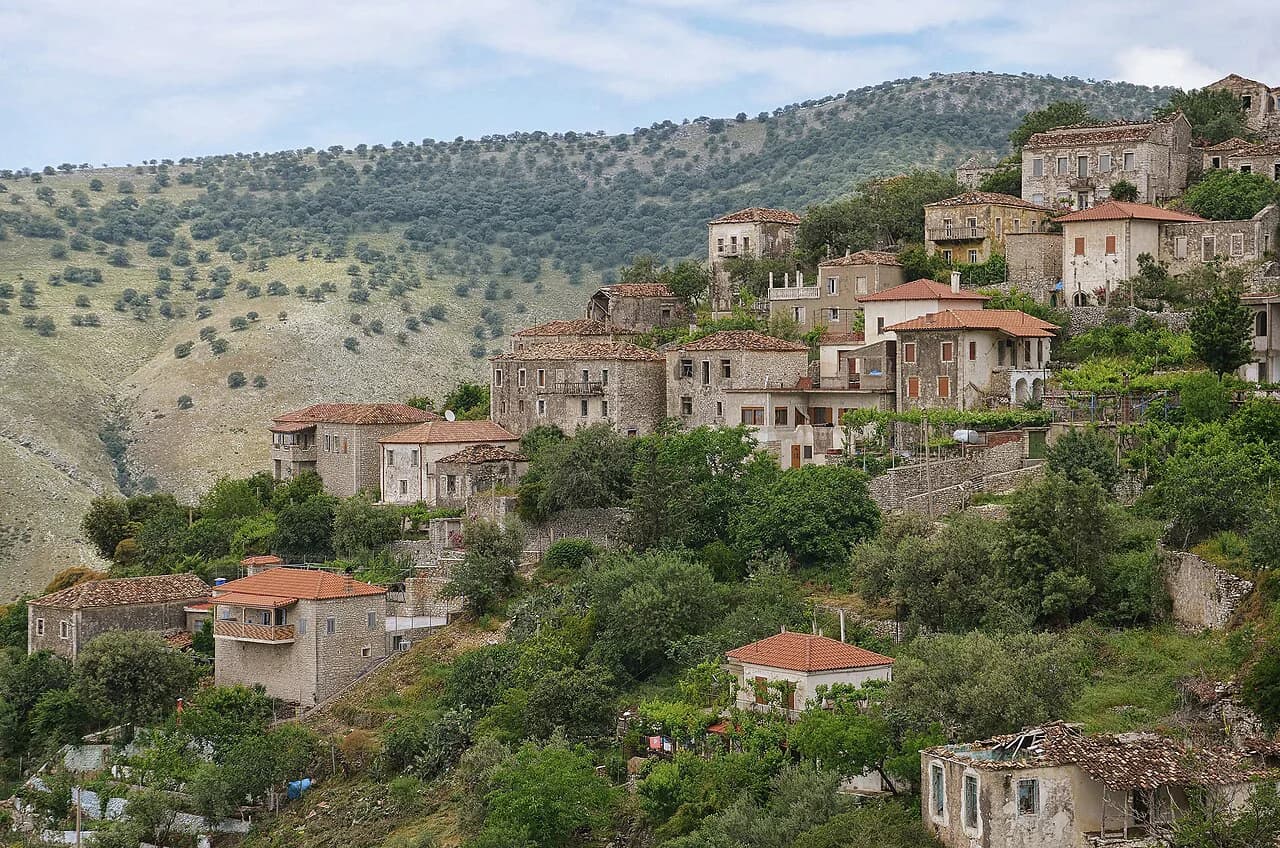
Village and olive country: walking the lanes and groves around Borsh
Walk the lanes between the houses in the morning, when residents are about and the heat has not yet built, and keep to the paths rather than crossing planted ground. The village has a long history, and the castle above it is the visible trace of that past.
The settlement is small enough to cover on foot in an hour or so, with houses among the trees and small hotels serving summer visitors. Hospitality here can run to a glass of brandy or wine with the family you are staying with, which is the kind of thing you arrange locally rather than book ahead. Use the village as the quiet half of the day and the bay as the busy half.
How to reach Borsh by car or furgon along the Sarandë–Vlorë road
Borsh lies on the Sarandë–Vlorë coastal road. Driving gives you the flexibility to do the castle and the bay in one day and to continue to Qeparo or Himarë afterwards.
If you are coming from the north, the road climbs to the Llogara Pass before the descent toward the coast begins. That stretch is slow and winding, so plan the day around the drive rather than trying to rush it. Coming from the south, Sarandë is the natural starting point for a run up the coast to Borsh.
How long Borsh needs and how to split a day between bay and castle
Give Borsh most of a day: an hour or so for the village lanes, the climb to the castle in the morning, and the afternoon on the gravel below. If you are short of time, pick one — the castle for the view, the bay for the water — rather than trying to squeeze both into a couple of hours. The climb is the part that takes longer than it looks on a map.
A sensible order is castle first, then lunch, then the bay, so the steepest walking happens before the heat peaks. Keep the car at the village end and walk down to the shore rather than driving between the two. That way you finish the day at the water and can leave straight from the beach.
When the bay is busiest and why summer heat and crowds shape the day
Borsh fills up in summer, when vacationers come for the clean water and the bars on the beach. The village has a growing number of small hotels because visitors increasingly want to stay rather than pass through, so July and August are the busy months. Arrive in the morning if you want space on the gravel and a calm walk up to the castle.
Heat is the other constraint: the climb to the castle is exposed, and the middle of the day on white gravel is uncomfortable. Start early, carry water, and keep the swim for the afternoon when the sun is off the worst of the climb. Both the beach and the castle are listed among the area's attractions, which tells you to expect other people at both in season.
Where Borsh sits in a Riviera itinerary: Sarandë, Himarë, Qeparo and Vlorë
Borsh fits neatly between Qeparo to the south and Himarë further up the coast, which makes it a natural half-day stop on a Riviera drive. The old hill village of Qeparo above its own beach is worth pairing with Borsh if you have a full day for the coast. Our guide to Qeparo covers the hill settlement and the beach below it.
Coming from Vlorë, you cross the Llogara Pass before the descent to the coast, and Porto Palermo with its castle sits further south toward Himarë. If you are building a longer route, an Albanian Riviera itinerary can order these stops so you are not doubling back. The Albanian Riviera is long enough that a plan helps more than improvisation.
For a full coastal loop, continue past Borsh to Porto Palermo, where the castle sits on its peninsula, then on to Sarandë. Each stop takes longer than the distance suggests, so count on fewer places per day rather than more. Keep Borsh for the morning and let the afternoon carry you south.
Should Borsh be a stop or a base?
Treat Borsh as a stop unless you want the quiet of the village in the evening: most visitors see the castle, walk the lanes and swim in the bay in a single day. If you do stay, the small hotels and rooms around the bay put you within walking distance of both the shoreline and the climb. Either way, plan the castle for the morning and the water for the afternoon.
Then decide how far you are pushing along the coast — Qeparo and Himarë to the south, the Llogara Pass behind you to the north. A day is enough for Borsh, but the road rewards a slower pace. The Albanian Riviera is a place to let the driving take the time it takes.
Explore more Himare guides
Frequently Asked Questions
Is Borsh beach sand or pebble?
The shoreline at Borsh is white gravel rather than sand. Bring footwear you can walk on comfortably and something to sit on, and choose your spot along the several-kilometre bay rather than settling at the first access point.
Do you need a car to visit Borsh?
A car gives you the most flexibility, because the castle is above the village and the bay is down at road level. Without a car, plan to walk between the two parts of the village and check the day's transport locally rather than relying on a fixed minibus timetable.
Sources
Notes for your Albania trip
Optional updates to our Albania town guides.
You might also like
Continue reading
More guides you'll find useful