Llogara Pass: Where It Is and How to Drive It
Llogara Pass is the 1,027 m road crossing between Vlorë and Albania's Riviera beaches, with viewpoints, black pine forest and paragliding down to Palasë.
On this page
Llogara Pass is the road crossing of the Ceraunian Mountains on the SH8 highway, reaching 1,027 m on the coastal route between Vlorë and the Albanian Riviera beaches. It sits inside Llogara National Park, and most travellers treat it as a scenic stop of a few hours rather than a destination in its own right. This guide covers the climb from each side, the summit, paragliding, the forest, timing and the villages below.
Where Llogara Pass is
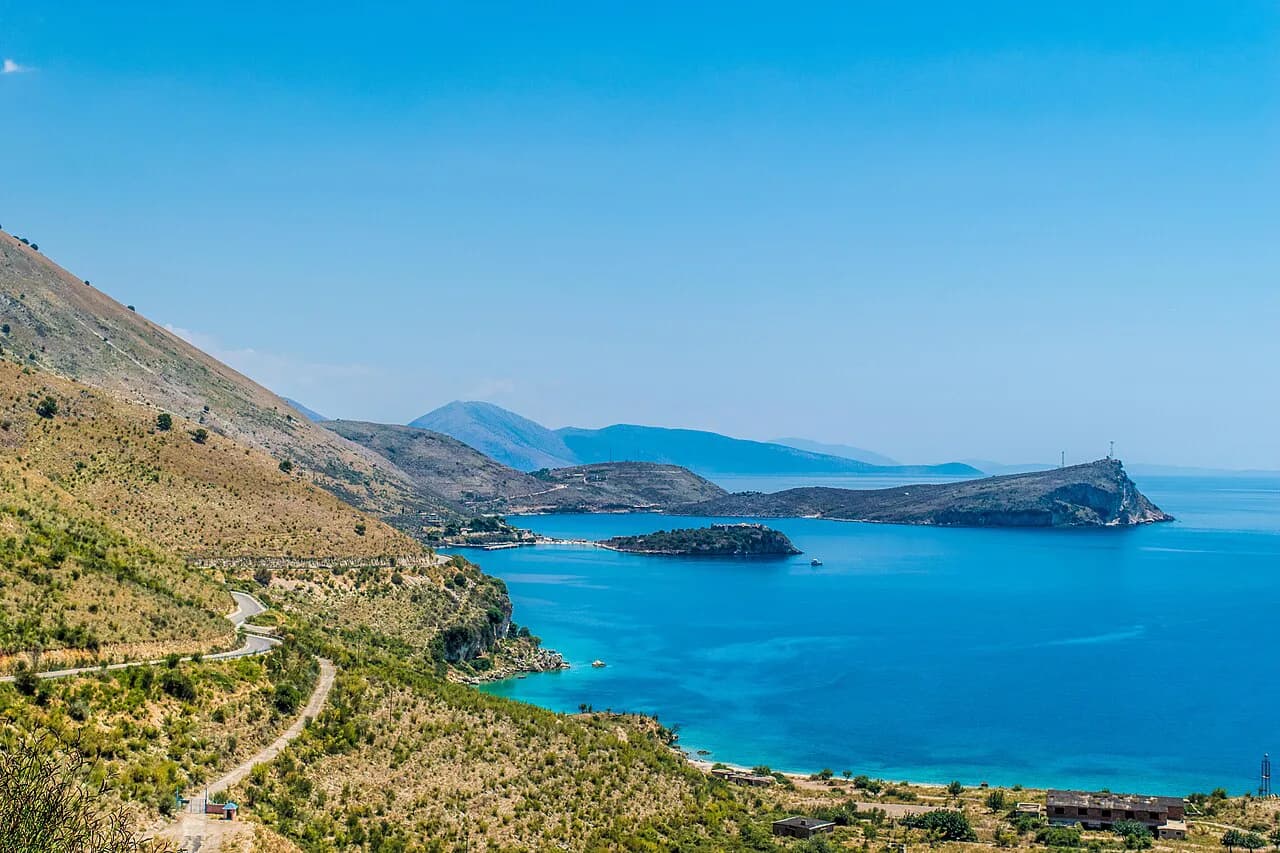
The pass is the high point of the SH8 where it crosses the Ceraunian range, and the road is the main coastal link between Vlorë to the north and the Riviera resorts to the south. Llogara National Park was established in 1966 and covers 10,100 hectares of the range, running down both the Vlorë side and the seaward slopes. The park's defining feature is the way the mountains drop straight to the Ionian coast.
Within the park the elevation change runs from sea level to 1,027 m over roughly 12 km of winding road, which explains why the drive feels so much bigger than its distance. You will also see the pass given as 1,043 m in some accounts, so expect both figures to appear. Treat it as a mountain crossing with a viewpoint rather than a walled attraction with a gate.
Driving the pass from Vlorë and from Himarë
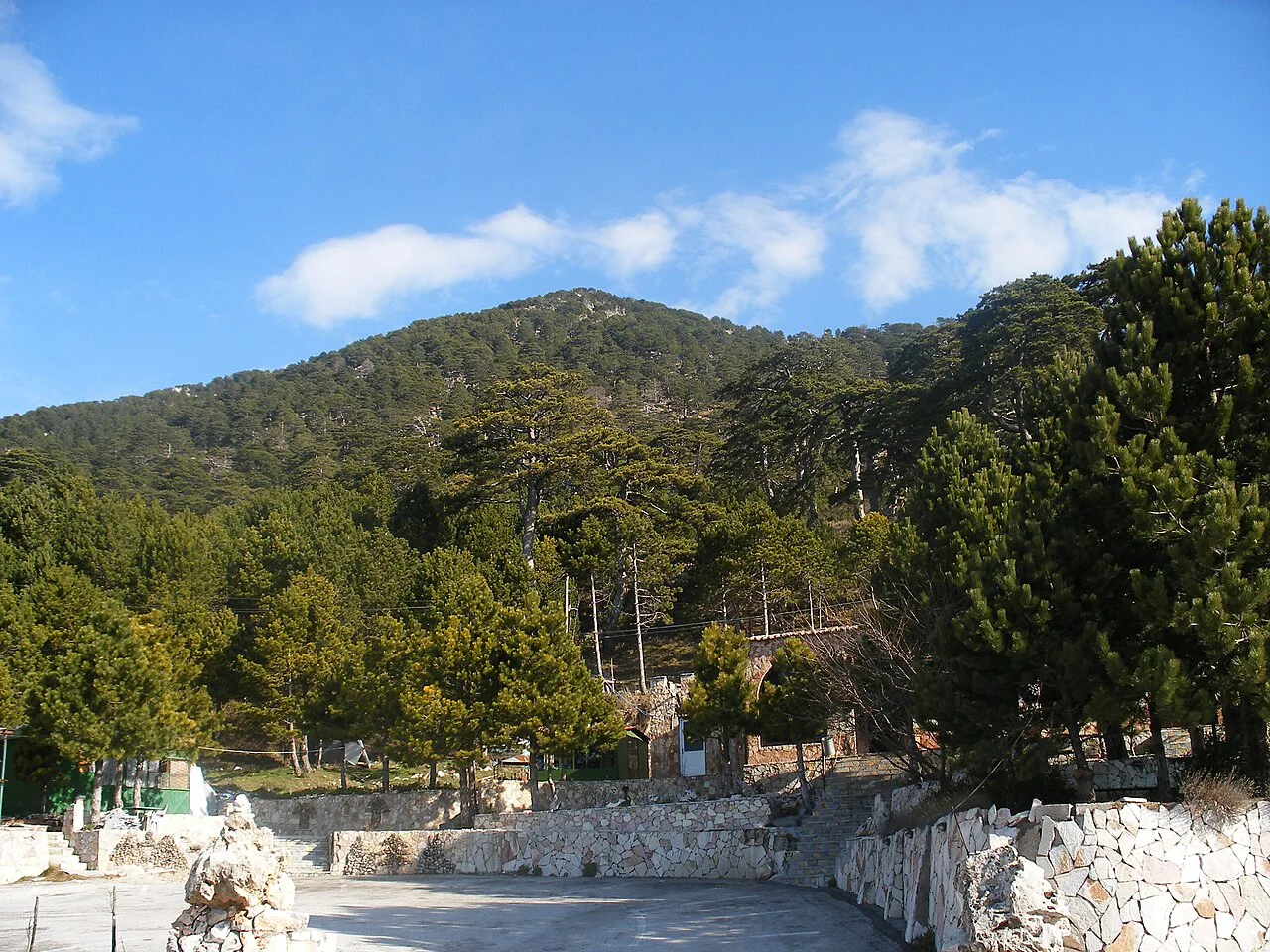
From the north, the SH8 climbs out of the Vlorë area through the park to the pass, gaining height steadily before the summit. Continue south and the character changes: the road drops toward the coast through a series of hairpin turns that make the Llogara section so recognisable. Drivers coming up from Himarë and the Riviera get the hairpins as a climb and the long descent afterwards.
The road surface is in good condition and safe to drive, though animals wander across it: expect to slow for cows, goats and the occasional pig. Take the hairpins in low gear and keep stops to the parking areas rather than the bends. Allow extra time for the crossing in poor visibility.
The summit: parking, viewpoints and where to eat
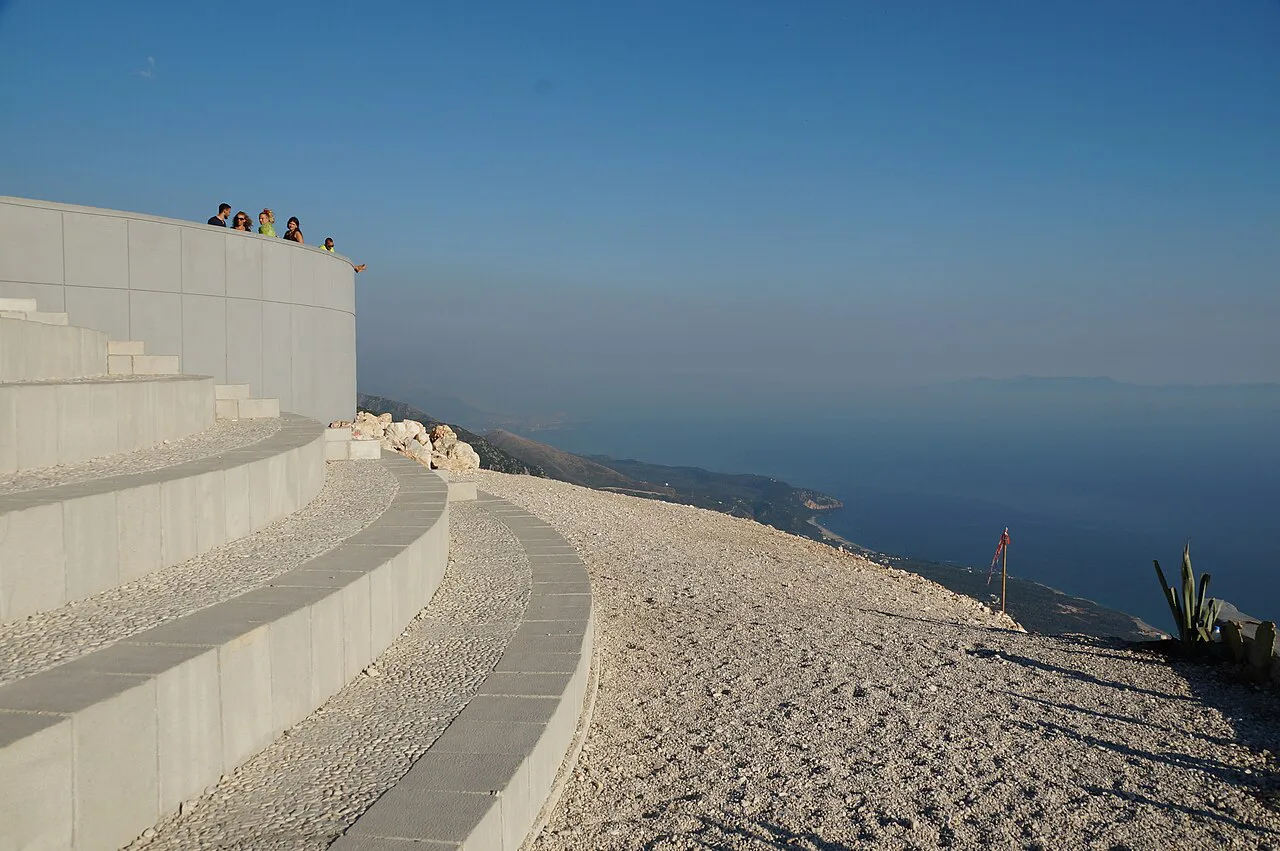
Development clusters at the pass itself, where hotels and restaurants sit along the highway, so you can eat and sleep at the top rather than in a separate village. Use the parking area to photograph the Ionian coastline spread out below, then walk a short stretch of the roadside for a different angle. The pass is a natural through-route rather than a resort, so the stop is short unless you are flying or staying overnight.
Allow two to three hours for the crossing and the viewpoints if the pass is one leg of a longer drive. Staying the night up here is a way to escape the heat of the beaches and get cooler air, with accommodation clustered around the summit.
Paragliding from Caesar's Pass down to Palasë
Paragliding launches from the pass, given as Caesar's Pass at 1,027 m, and lands on Palasë beach at sea level. Operators quote roughly €50–80 for a tandem flight, with prices set by the operator rather than the park, so confirm the current rate and whether transport back up is included when you book. Flights are weather-dependent, so build in a spare window.
Aeroclub Albania is the paragliding outfit named on the mountain, running flights off the ridge down to the coast. Book ahead in high season and check the meeting point on the day.
Black pine forest and wildlife in the park
The park's conservation target is its old-growth black pine, Pinus nigra, which takes over from Mediterranean scrub at higher altitude. Wildlife includes deer, wild boar, wolves and eagles, though sightings are uncommon for casual visitors. Walking trails exist but most are unmarked and poorly maintained, so they need local knowledge to follow safely.
If you want a leg-stretch rather than a proper walk, keep to the roadside paths around the summit and the parking areas. For anything longer, ask at your accommodation or a local operator about a guide and current conditions. Hiking in the park is a reason to give the pass more time than a photo stop.
When to drive the pass
May to September is the season for paragliding and hiking, while the pass can be crossed year-round. Winter fog is the main hazard, so plan the crossing for daylight and be ready to delay if cloud sits on the summit. The road is a mountain crossing, not a fair-weather-only route.
On the coast below, August is the busiest month, and May to early July or September to October gives warm weather with fewer crowds. Outside the season, many beach services shut down but the road stays open and quiet. A winter crossing is chilly and snowy in the mountains, so kit accordingly.
How long to spend at the pass
Two to three hours covers the crossing and the viewpoints; a full day makes sense if you are paragliding or walking in the park. Drivers using the pass purely as a route between Vlorë and the beaches need no more than a short stop. The trade-off is straightforward: more time for flying and forest, less for the coast.
If your Riviera plan is tight, put the pass early in the day so the light is on the coast and the hairpins are quiet. The Albanian Riviera Map helps you judge how the pass fits the rest of the drive south.
Continuing south: Palasë, Drymades, Dhermi and Himarë
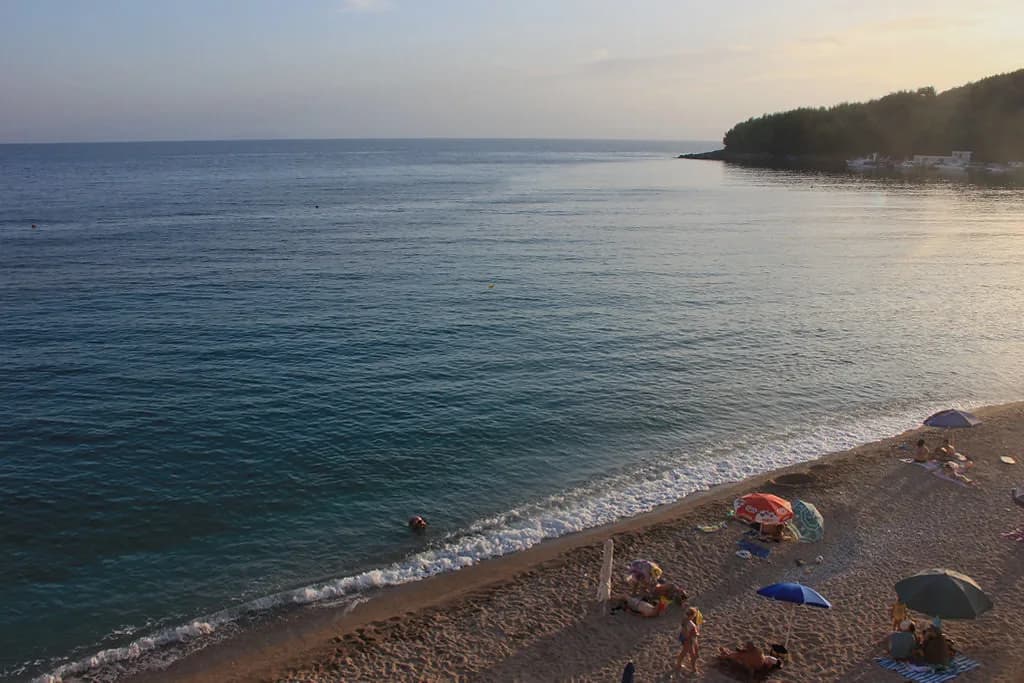
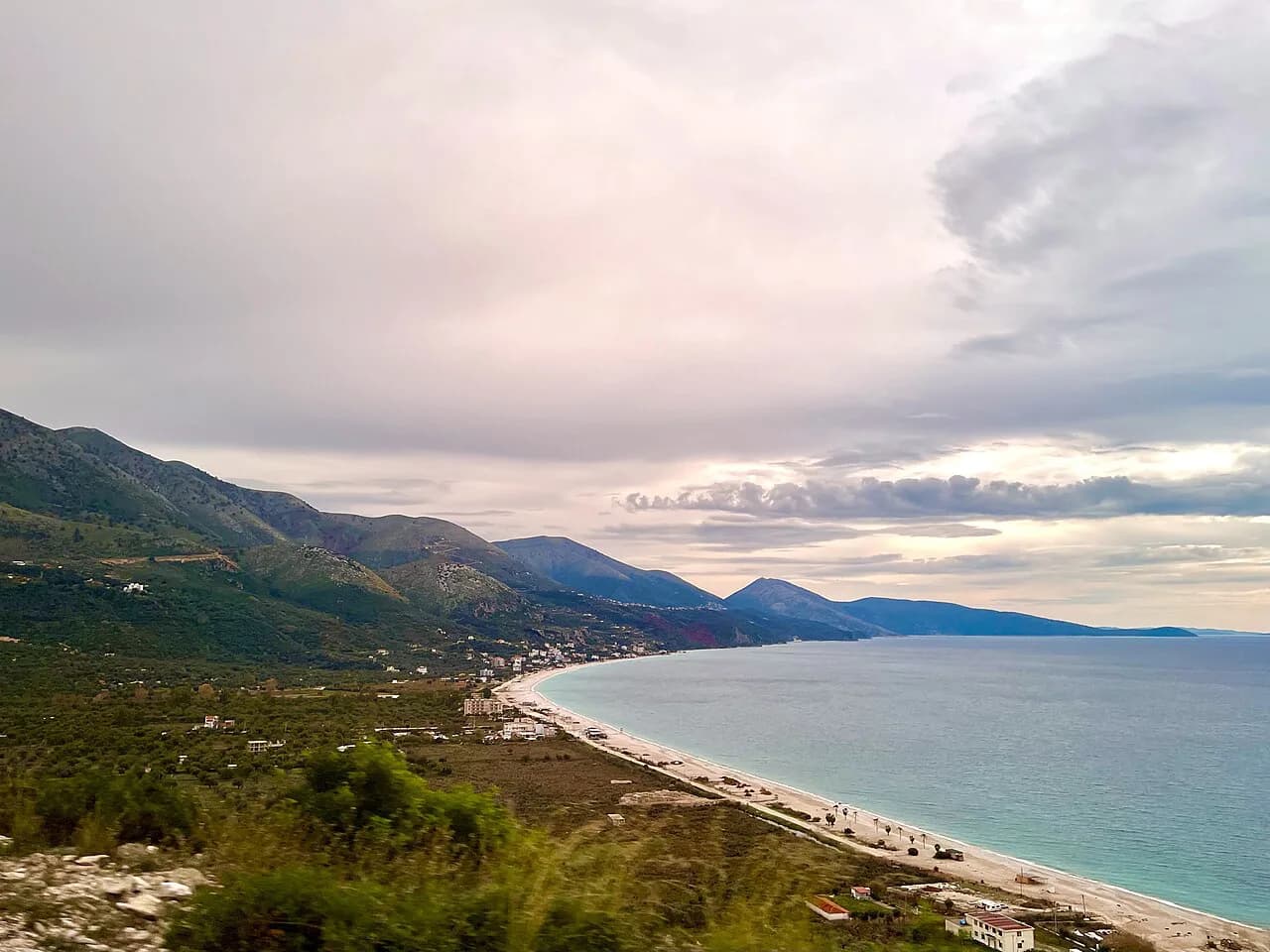
Driving south from the summit, the first beach is the one-kilometre Palasë, followed by Drymades and Dhermi, both busy with beach clubs in summer. Smaller Gjipe, Jali and Livadhi come next, and some tiny coves between them can only be reached by boat. Hill villages above the bays hold castle ruins, monasteries and old churches worth a detour.
Himarë splits into an old hill town with the ruins of Himara fortress and a coastal fishing quarter called Spilea. Further south, Porto Palermo Castle sits on a peninsula joined to the mainland by a narrow strip. Beyond it come Qeparo, Borsh and eventually Sarandë.
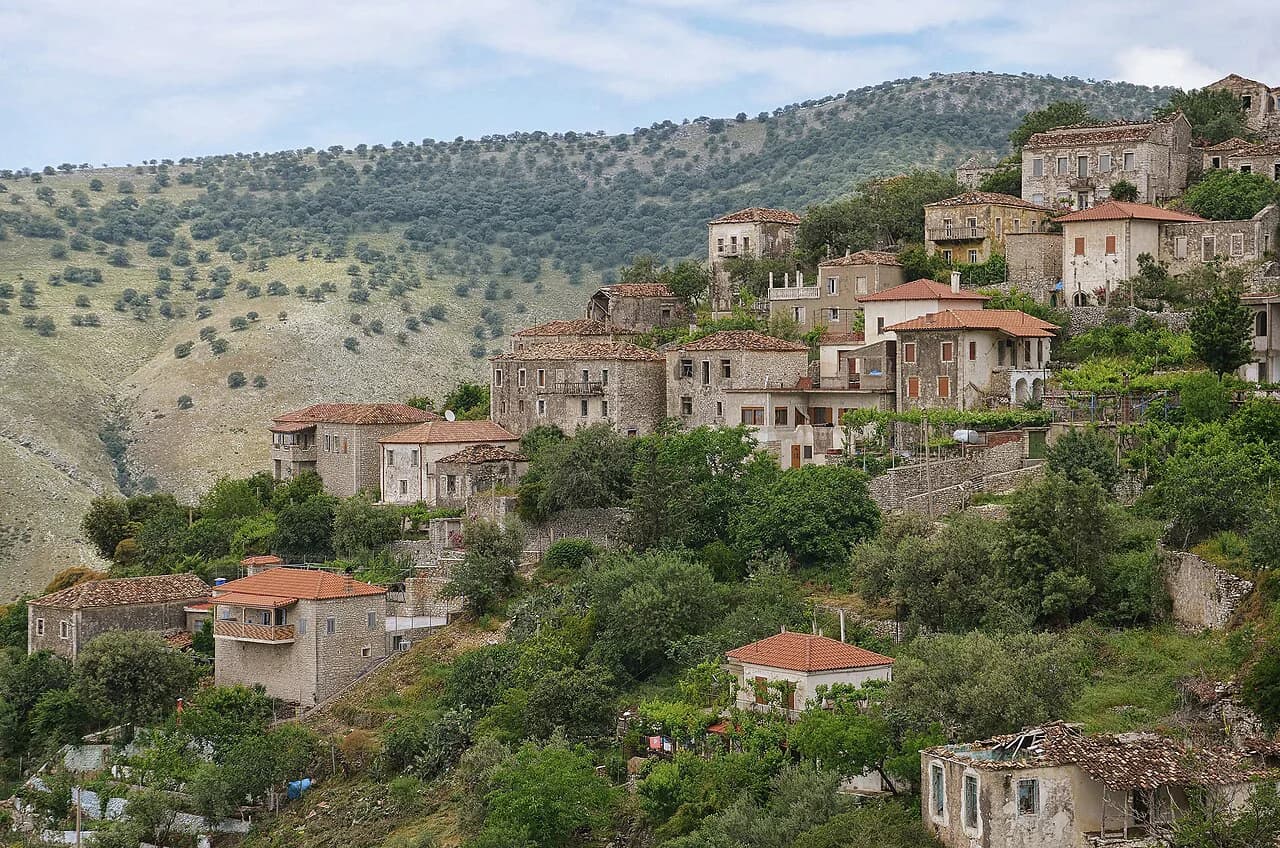
The old village of Qeparo sits above its beach, and Borsh runs along a long stretch of Ionian coast. Both make sensible overnight stops if you are spreading the drive over two days.
Getting there without a car
Buses and furgon minibuses run the coastal route, and at least some buses on the Vlorë–Riviera run stop at the pass before continuing down the far side. Ask the driver when you board whether the stop is included, and check departure points locally. Services thin out outside summer.
Having your own wheels lets you stop at beaches and villages whenever you like. Organised tours also run through the pass, with coach and small-group trips listed by operators. Compare what each includes before booking.
Practical points for the crossing
There is no park entrance fee, and the pass is open natural ground rather than a ticketed attraction. Paragliding and accommodation are the main costs, both quoted by operators. Cross in daylight for safety and keep an eye on the weather at the summit.
Check road and operator details once before you set out, particularly if you plan to fly or drive in winter. Fill up before the climb, as services are concentrated at the summit and along the coast. Coastal driving in summer tests patience, so start early.
Is the pass worth the detour?
Yes, if you are already driving between Vlorë and the Riviera: the pass adds a mountain crossing, a viewpoint and an optional tandem flight to a journey you are making anyway. Keep it to a short stop unless you are paragliding or walking, and cross in daylight.
Build the crossing into a wider Albanian Riviera itinerary so the hairpins, the summit and the beaches below fall in the right order.
Frequently Asked Questions
Can you drive Llogara Pass without a car of your own?
Yes. Buses and furgon minibuses run the coastal route, and at least some buses on the Vlorë to Riviera run stop at the pass before descending the other side. Confirm the stop with the driver when you board and check departure times locally, as services thin out outside summer.
Which mountain range does Llogara Pass cross?
It crosses the Ceraunian Mountains, also called the Llogaran Mountains, within Llogara National Park. The SH8 highway climbs to 1,027 m at the pass before dropping toward the Ionian coast.
Sources
Notes for your Albania trip
Optional updates to our Albania town guides.
You might also like
Continue reading
More guides you'll find useful