
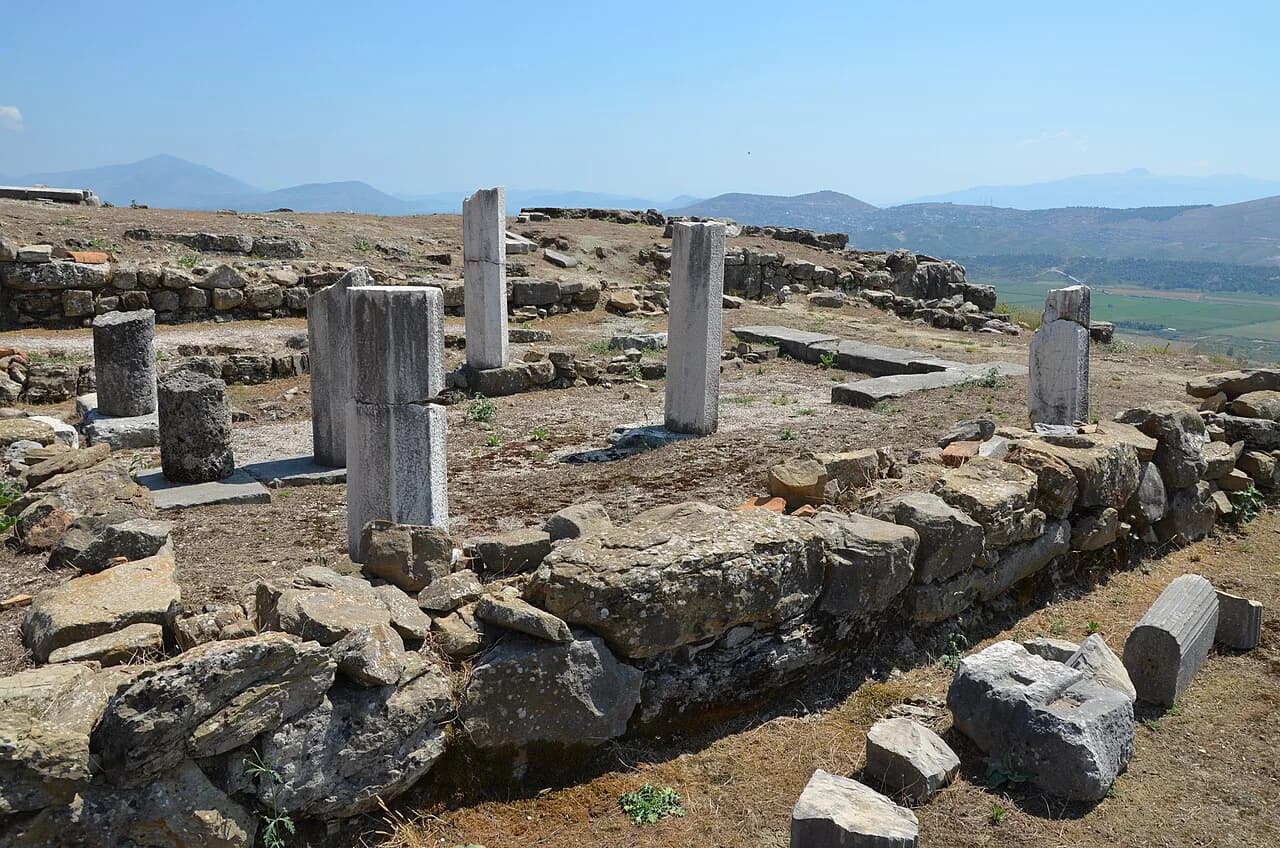
Finiq Archaeological Park (Phoenice): What to See and How to Visit

Finiq Archaeological Park is the hilltop site of ancient Phoinike near Sarandë, and you can walk through an ancient theatre, fortification walls, acropolis ruins, temples and dwellings in one visit. The page covers what stands on the hill, how the route from Sarandë works, how long to allow and where to confirm current hours and tickets.
The name causes most of the confusion. Finiq is the modern Albanian town and the park's official Albanian title is Finiqi, while Phoinike (also written Phoenice) is the ancient city whose remains you are visiting; all three labels point to the same hill. Knowing this helps when you check signs, maps or bus destinations before setting out.
What Finiq Archaeological Park is
The park lies near the present-day town of Finiq, close to Sarandë, on a hill with views over the Vrina plain and the Bistrica valley. In antiquity the city was known as Phoinike and served as the capital of the Illyrian tribe of the Kaoni and one of the main centres of Epirus. It was founded around the 4th century BC and carried political, economic and cultural weight through the Hellenistic and Roman periods.
The park is best treated as a single archaeological site rather than a town stop. The remains sit inside a defined area, so plan one focused visit and combine it with other sights only if you have a car or a driver waiting. Build the trip around the hill itself rather than arriving and improvising.
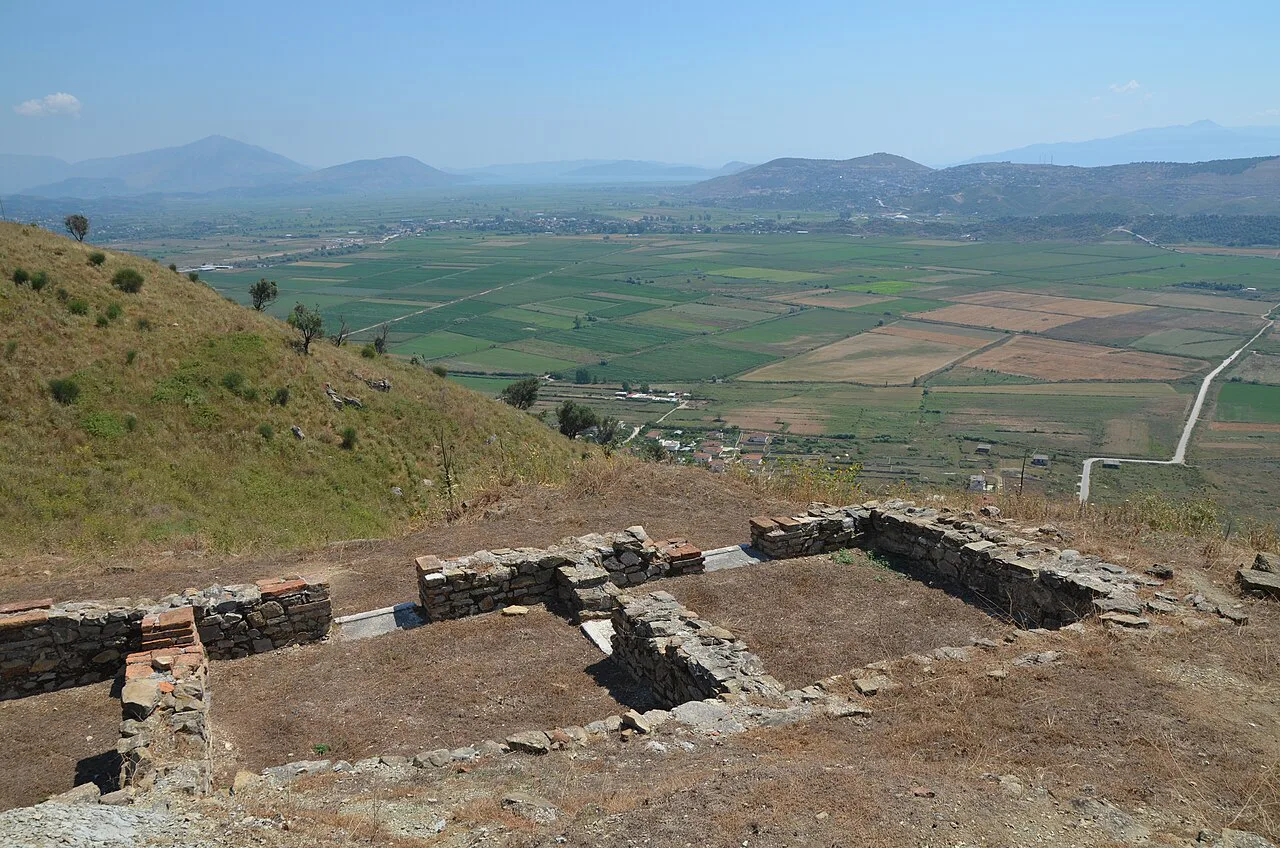

Where the park sits above the Vrina plain and Bistrica valley
The park occupies a hill with panoramic views over the Vrina plain and the Bistrica valley, which shapes the whole visit: you go up to the ruins, then look out across the flat land below. The theatre, walls, acropolis and houses lie inside the defined park area on that elevated ground. Allow for a hill, not a flat field, when you plan the day.
Is Finiq the same place as Phoinike? Yes. Finiq is the modern Albanian town and the park is officially listed as Finiqi, while Phoinike or Phoenice is the ancient city whose remains you walk through.
Do you need a car to reach Finiq from Sarandë? A car or a driver who waits is the simplest arrangement, because the park sits on a hill inland from Sarandë and you need a guaranteed way back. If you use a bus or minibus, confirm the drop-off in Finiq town and the return service locally before you set out.
How long does a visit to Finiq take? Allow a half-day including travel. The theatre, fortification walls, acropolis, temples, dwellings and the later basilicas and mosaics are spread across a hill, so a rushed hour leaves most of it unseen.
Because the site is inland from the coast rather than on it, it pairs naturally with the Sarandë area but does not share the seafront atmosphere. Treat the park as its own stop with the Vrina plain as the backdrop, not as a beach-side add-on.
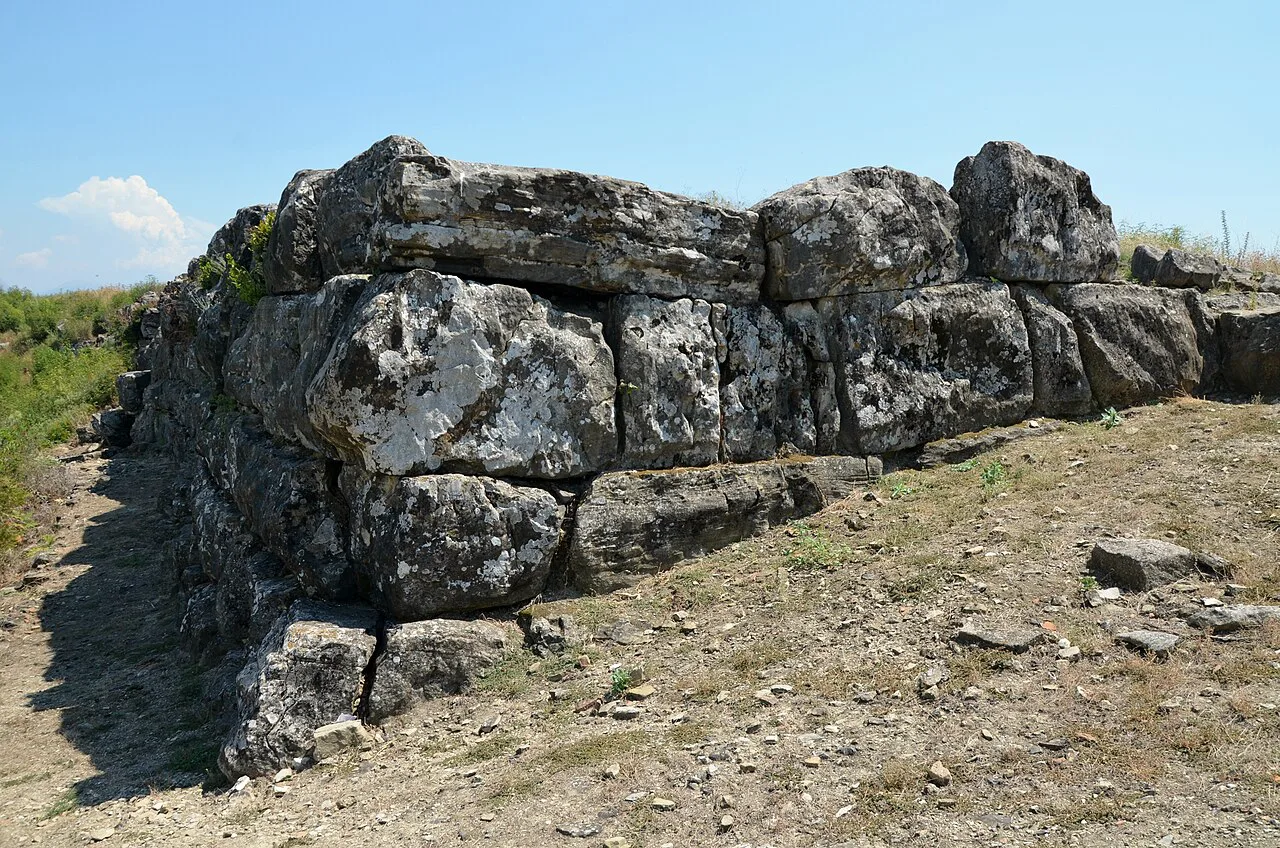

How to get there from Sarandë and the final approach
Finiq sits in south-eastern Albania, inland from Sarandë, and the approach finishes on a hill above the Vrina plain. The most reliable arrangement is your own car or a driver who waits, because the ruins are some distance from the built-up waterfront and you will want the return leg assured. If you rely on a minibus or bus, confirm the drop-off point in Finiq town and how you will get from there to the park before you set out.
Do not assume a published timetable or a fixed walking time from Sarandë. The official tourism pages describe the park and its features but give no transport schedule or distance figure, so ask in Sarandë or check with your driver on the day you plan to go.
What to see: theatre, walls, acropolis, temples and dwellings
Inside the park you can see an ancient theatre, fortification walls, the ruins of the acropolis, temples, dwellings and other structures that show how the city was laid out. The theatre and the walls are the easiest features to orient yourself by, with the acropolis on the high ground. The temples and houses tell you how the urban area was organised rather than standing as isolated monuments.
Read the official description before you go so you know which features you are looking at, because the site presents scattered remains rather than reconstructed buildings with signage at every point. A short printed or downloaded summary of the theatre, walls, acropolis, temples and dwellings will make the walk far more legible.
Later remains: basilicas, mosaics and Byzantine traces
Finiq is not only a Hellenistic and Roman site. The park also preserves basilicas and mosaics, and remains from later periods, including Paleo-Christian and Byzantine elements, show that civic and religious life continued on the hill over the centuries. Look for these alongside the classical structures rather than treating them as separate stops.
The mosaics and basilica remains reward a slower pass at the end of the circuit, once you have covered the theatre and walls. If you have an interest in early Christian architecture, give these features a proper share of your time instead of treating them as an afterthought on the way out.
How much time to allow and how to walk the site
Budget a half-day for Finiq once travel is included: the hill walk, the theatre, the walls, the acropolis and the scattered houses take time to see properly, and rushing leaves you with a blur of stones. Look at the theatre and fortification walls first to get your bearings, then work up to the acropolis and the basilicas and mosaics, but follow the visible paths rather than expecting a signposted route.
Wear footwear that copes with uneven ground and carry water, since the site is an open hill rather than a roofed museum. The official pages describe the features but do not set out a marked trail, so follow the visible paths and keep an eye on where you entered.
Views over the Vrina plains and Bistrica valley
The setting is part of the visit. The hill gives panoramic views over the Vrina plain and the Bistrica valley, and the official description treats that landscape as part of the experience rather than scenery on the side. Pause at the high points of the circuit, particularly near the acropolis, and look out over the plain before heading back down.
Opening hours and tickets: where to check before you go
The official tourism pages cover the park's features and setting but do not give opening hours, ticket prices or closure days. Check the park pages and ask locally in Sarandë before you travel, especially if you are making a special trip out from the coast. Confirm the current position rather than relying on an old figure.
The Italian-Albanian archaeological mission at Phoinike is the other place to look if you want to follow current work at the site, but treat its pages as a lead for further reading rather than a visitor-information source.
Nearby options: Butrint, the Blue Eye and Sarandë's sights
Finiq works well as one half of a day out from Sarandë. Butrint is the other major archaeological site in the area and the obvious pairing for anyone following the region's classical remains. Allow proper time at each and check opening details for both before you set off.
If you would rather swap ancient stone for water, the Blue Eye, Albania is a spring inland from Sarandë and a natural counterpoint to a morning on the hill. Closer to town, Lëkurësi Castle gives you a second set of views over the bay, and the Saranda synagogue remains are a compact stop that fits an afternoon.
Is Finiq worth the detour from Sarandë?
Yes, if you want ancient remains with a landscape attached and you have your own transport or a driver arranged. The theatre, walls, acropolis and basilicas give a full half-day on a hill above the Vrina plain that is different in character from a coastal afternoon.
Skip it if your time in the Sarandë area is short and you would rather put the hours into Butrint, or if you cannot sort out a reliable return journey. Either way, confirm current opening hours and any ticket arrangements before you commit the day.
Explore more Saranda guides
Frequently Asked Questions
Is Finiq the same place as Phoinike?
Yes. Finiq is the modern Albanian town and the park is officially listed as Finiqi, while Phoinike or Phoenice is the ancient city whose remains you walk through. All of these names refer to the same hilltop site near Sarandë.
Do you need a car to reach Finiq from Sarandë?
A car or a driver who waits is the simplest arrangement, because the park sits on a hill inland from Sarandë and you need a guaranteed way back. If you use a bus or minibus, confirm the drop-off in Finiq town and the return service locally before you set out.
How long does a visit to Finiq take?
Allow a half-day including travel. The theatre, fortification walls, acropolis, temples, dwellings and the later basilicas and mosaics are spread across a hill, so a rushed hour leaves most of it unseen.