
Monastery of 40 Saints: A Visitor's Guide to Saranda's Hilltop Ruins

The Monastery of 40 Saints is a ruined historic site on the hills above Saranda, worth roughly half an hour to an hour as an add-on to a Lëkurësi or Saranda day rather than a trip in its own right. The remains sit outside the town centre, so the visit is really about the climb, the walls and the view back over the bay. This guide covers where the ruins are, how to approach them on foot or by car, what survives, how long to allow and what to pair with the trip.
What the Monastery of 40 Saints is and where it sits above Saranda
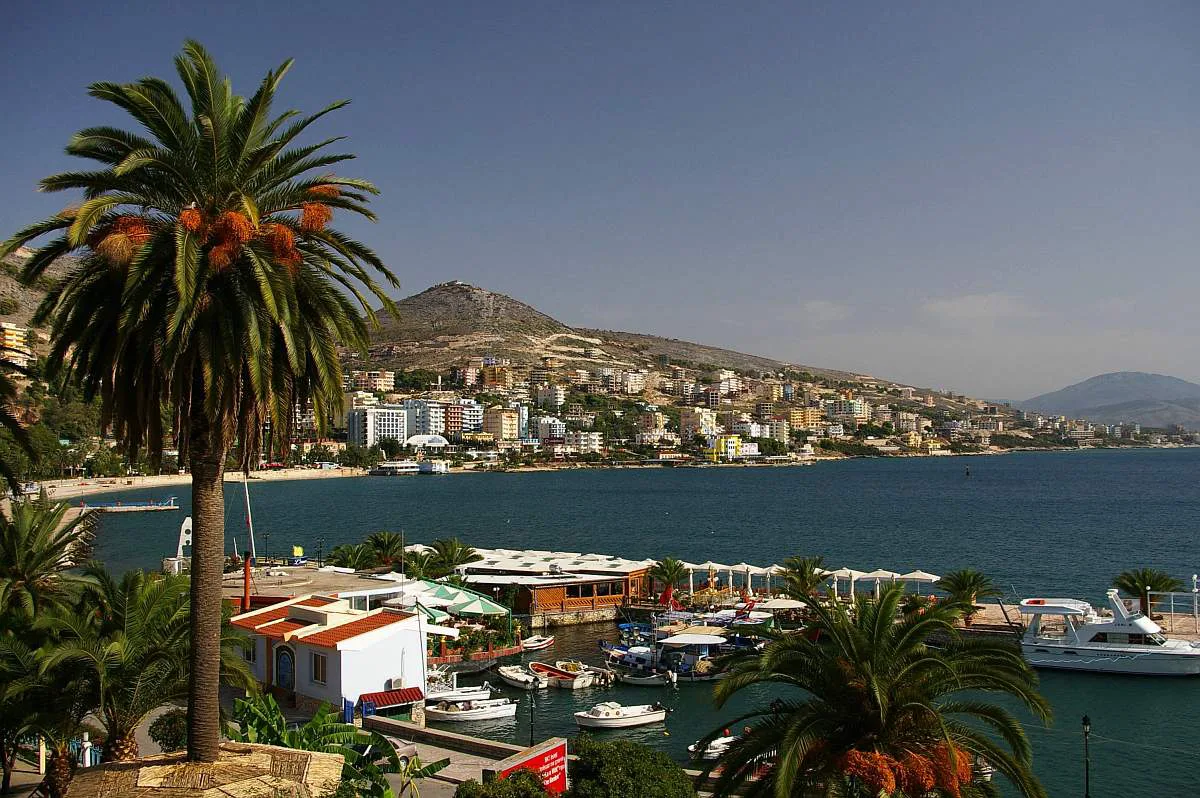
The monastery stands on the hills above Saranda in Vlorë County, on the Albanian Riviera. Travel listings place it within the Saranda area rather than in the town itself, and the nearest named locality on walking records is Gjashtë. Its position above the coast is what shapes the visit: you are going up to a ridge, not strolling to a town-centre monument.
Local writing records that the monastery contains forty rooms, one for each of the Saints remembered there, and that archaeologists date the early Christian church on the site to the early centuries of Christianity. Treat those as the documented outlines of the place rather than a full history.
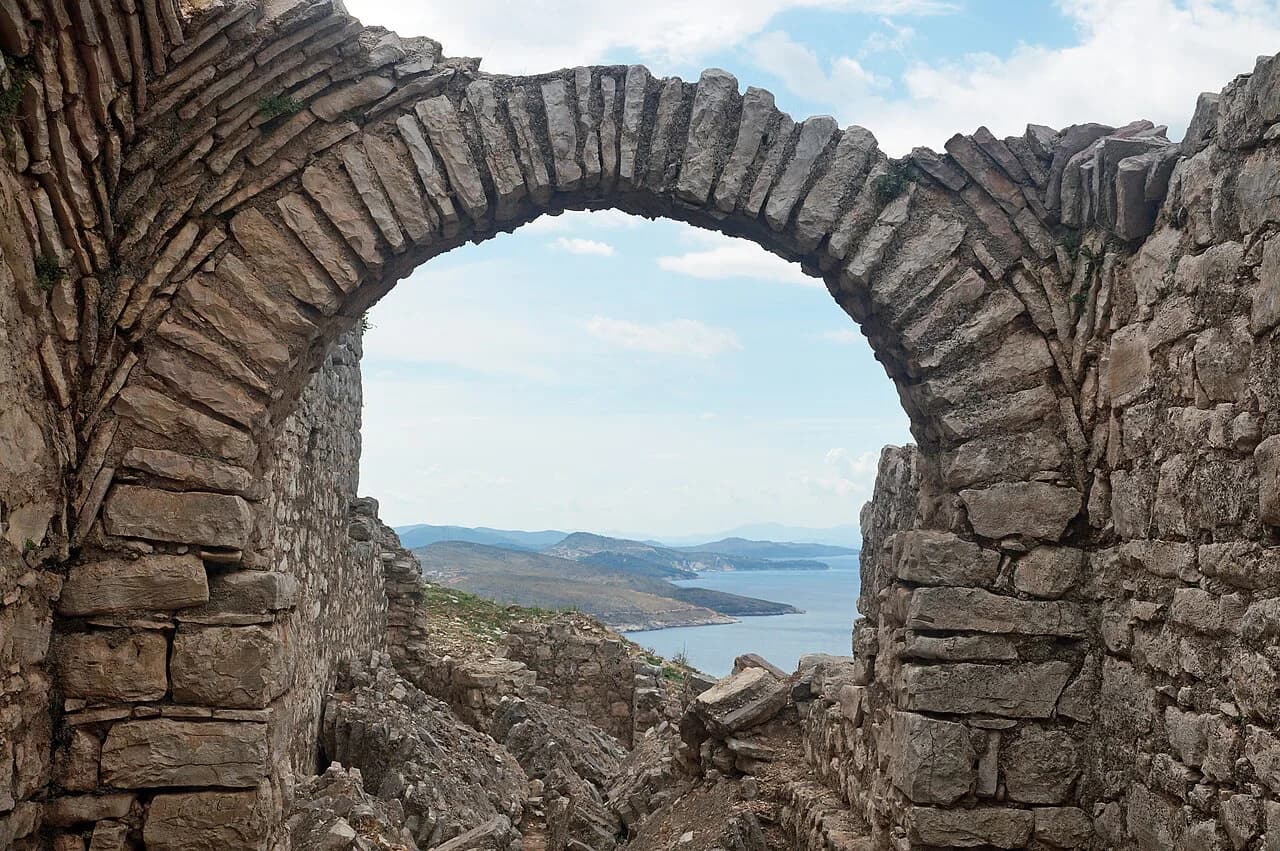
What you see today is a ruin: standing and fallen walls on a hilltop terrace, with the layout of the monastic complex legible in the stonework. There is no reconstructed church interior to walk into in the way there is at a working monastery, so set expectations for an archaeological remnant rather than a furnished religious building. Sturdy shoes matter more than a dress code here, though shoulders and knees covered remain the sensible default at any religious site in Albania.

How to get there: walking up from Saranda, driving, or continuing from Lëkurësi
The uphill approach is the part that catches people out, and it is worth choosing your method before you set off. The recorded walking track links Lëkurësi with the monastery: about 2.33 to 2.49 miles with roughly 814 feet of ascent, starting near Gjashtë. That figure describes the Lëkurësi link, not a route from Saranda town centre, so do not read it as the distance from your hotel.
By car or taxi, the climb becomes a short drive on hill roads above the town, which suits anyone visiting in high summer or travelling with children. Combining the monastery with Lëkurësi Castle in one loop makes the most of the ascent, since both sit on the same ridge above Saranda. See The Blue Eye, Albania for the spring that makes the natural afternoon pairing once you are back on the coast road.
Organised options exist if you would rather not navigate the hill yourself. Local tour listings gather guided activities around Saranda that include the monastery among their stops, which is useful if you want transport and context in one booking. Check what a tour actually includes before paying, since a stop at a ruin can be brief.
However you arrive, the last stretch is on foot over uneven ground. Allow extra time for the final walk from wherever the vehicle stops, and carry water with you from the town.

What you actually see: the ruined walls and the tradition of forty rooms
At the top, the interest is in the footprint of the complex: the walls of the church and the surrounding rooms laid out across the hilltop. The tradition of forty chambers, one per Saint, gives the ruin a logic you can follow as you pick out the divisions in the stonework. Photographs of the site show low, weathered masonry rather than tall standing architecture, so the visit rewards close looking more than sweeping elevation.
The setting does much of the work. The monastery occupies a high point above Saranda, and the position explains why a religious community built here: separation from the town, sightlines along the coast and a defensible ridge. Bring a camera for the outlook over the bay and the surrounding hills, but keep off unstable wall tops and out of any closed-off sections.
Because the ruins are open ground, there is little interpretation on site in the way a museum provides. Reading up before you go, or taking a guide, turns a pile of stones into a legible plan of church, chambers and terrace. If you are travelling with children or with someone who needs clear labels to stay engaged, pair the monastery with a site that has formal displays, such as Butrint, rather than making it the day's main stop.
How long to allow and when to go
Budget about 30 to 60 minutes at the ruins once you are standing among them, plus the walk or drive up and down. That makes the monastery a natural half-day when combined with Lëkurësi Castle, or an hour's detour if you are driving past on the ridge road. It is not a place that fills an afternoon on its own.
Timing matters more than duration. The hilltop is exposed, and the Albanian Riviera summer is hot and bright, so early morning or late afternoon gives cooler climbing and better light across the walls. Midday in July and August means glare, heat and little shelter, which is the main argument for taking a car or taxi up rather than walking. In spring and autumn the climb is far more comfortable and the site is quieter.
Come prepared for rough ground: closed shoes, a hat, water and a layer for the wind that often runs along a ridge. Use the town before you set out. If the weather turns, the exposed position makes the ruins a poor place to wait out a storm.
Can you go inside, and what about tickets and opening times
You are visiting a ruin rather than a roofed church, so there is no interior in the sense of a nave you step into and out of. The experience is walking the terrace and reading the walls. Whether any part of the complex is fenced or locked is not something you can rely on from published information, so plan around the outdoor site and accept that access may be partial.
No published admission price or timetable for the monastery appears in the listings that cover it; the travel listing simply directs visitors to confirm hours with the attraction. Do not budget a specific entry fee, and do not assume a ticket office will be staffed when you arrive. Confirm locally in Saranda, at your accommodation or a tour operator, before making a special journey up the hill.
If you book a guided tour that includes the monastery, ask the tour company what is covered, whether entry to anything else is bundled and what happens if the site is inaccessible on the day. That is more reliable than any listing title suggesting a bookable ticket, and it is worth checking current prices and dates when you book.
Nearby: Lëkurësi Castle, the Blue Eye, Butrint and Ksamil
Lëkurësi Castle is the obvious companion, sitting on the same ridge and giving its name to the documented walking route to the monastery. Visiting both in one outing means one climb and two views, and the castle's walls make a natural start or finish to the walk. Read the Lëkurësi Castle guide before you go so you know what you are looking at on each side of the ridge.
South of Saranda, the Blue Eye spring is listed about 15 km from the monastery, and Butrint National Archaeological Park sits around 14.3 km away. Ksamil is about 12.3 km off. Those distances make a monastery morning and a Blue Eye or Butrint afternoon feasible by car, though the spring and the archaeological park each deserve real time of their own.
Inland from Saranda, the Bistrica valley holds the Mesopotam Monastery, a roofed religious site that balances the ruined hilltop with a standing church and quieter surroundings. It suits travellers with a car who want a second, contrasting monastery in the same trip. Finiq (Phoenice) Archaeological Park lies in similar country and adds an ancient city to the itinerary if you have a full day.
Closer to town, the Saranda Synagogue Basilica gives another layer of the area's religious history and is easy to fit around a town day. Use the Saranda Attractions: 6 Visitor Guides hub to line up the monastery with the rest of the coast before you commit to a route.
Is the monastery worth the climb?
Yes, if you are already heading up to Lëkurësi or driving the ridge road, and no, if you are hoping for a museum-style visit with displays and a ticket desk. The Monastery of 40 Saints is a short, exposed ruin that rewards a little preparation: good shoes, water, cooler hours and a companion stop on the same hill.
Build it into a day rather than around it. Pair the ruins with Lëkurësi Castle for the ridge, then choose either the Blue Eye or Butrint for the afternoon, and confirm locally what is open before you drive up.