Ali Pasha Castle Butrint: Ksamil Travel Guide
Ali Pasha Castle guards the mouth of the Vivari Channel near Butrint. Here is what stands there, why the fortress is boat-only, and how long to allow.
On this page
Ali Pasha Castle is a short boat crossing and an hour or two of your day, not a standalone outing. The fortress sits on an island at the mouth of the Vivari Channel, about 15 km from central Sarandë and roughly 3 km west of Butrint, with no road to it. This guide covers what stands inside the walls, who built it and why, how the crossing works, and which nearby sights fit the same day.
It is worth reading up before you go, because the fort is often mixed up with the Ali Pasha castle in Porto Palermo bay on the Vlorë–Sarandë road, a completely separate site. If you are coming for the ruins and the lagoon rather than the citadel alone, the wider Butrint National Park is the better frame for the day.
What Ali Pasha Castle is and where it stands
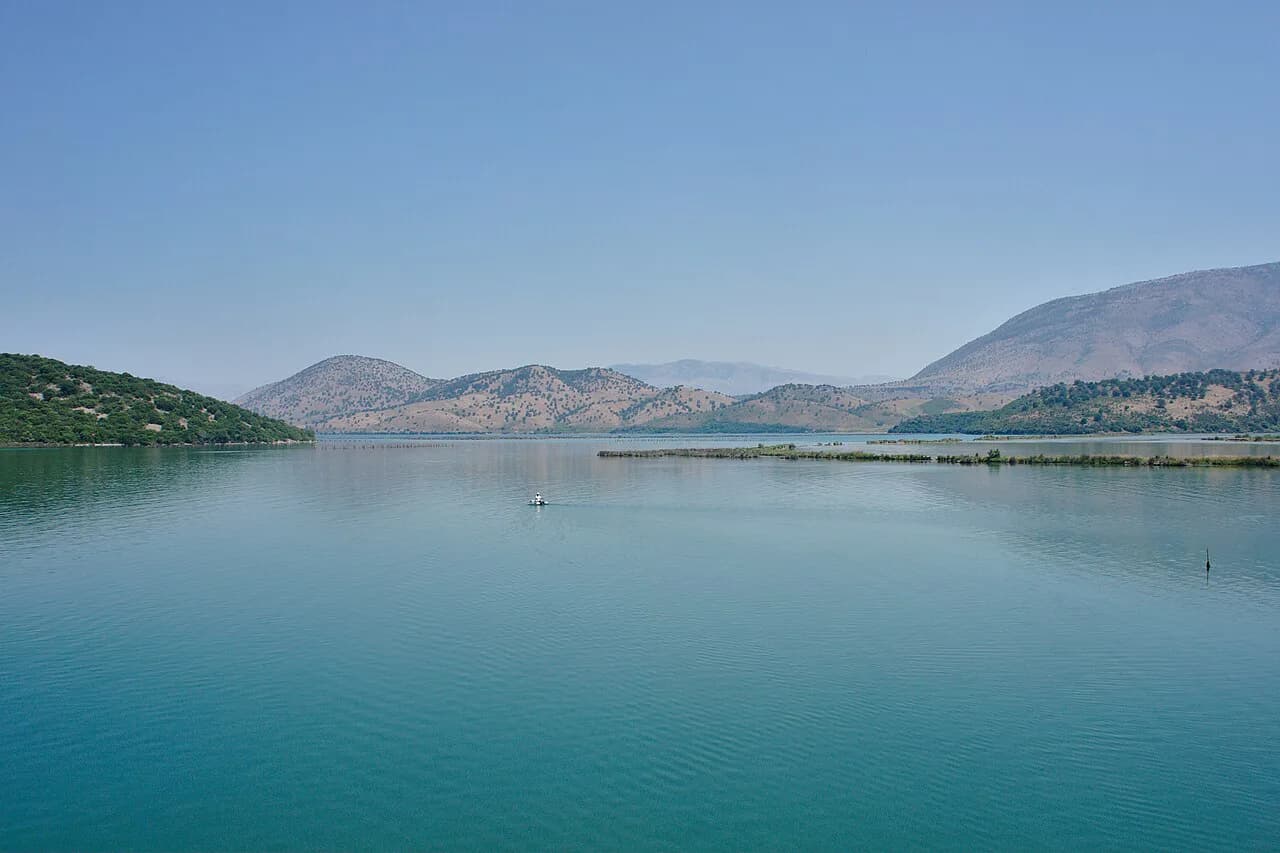
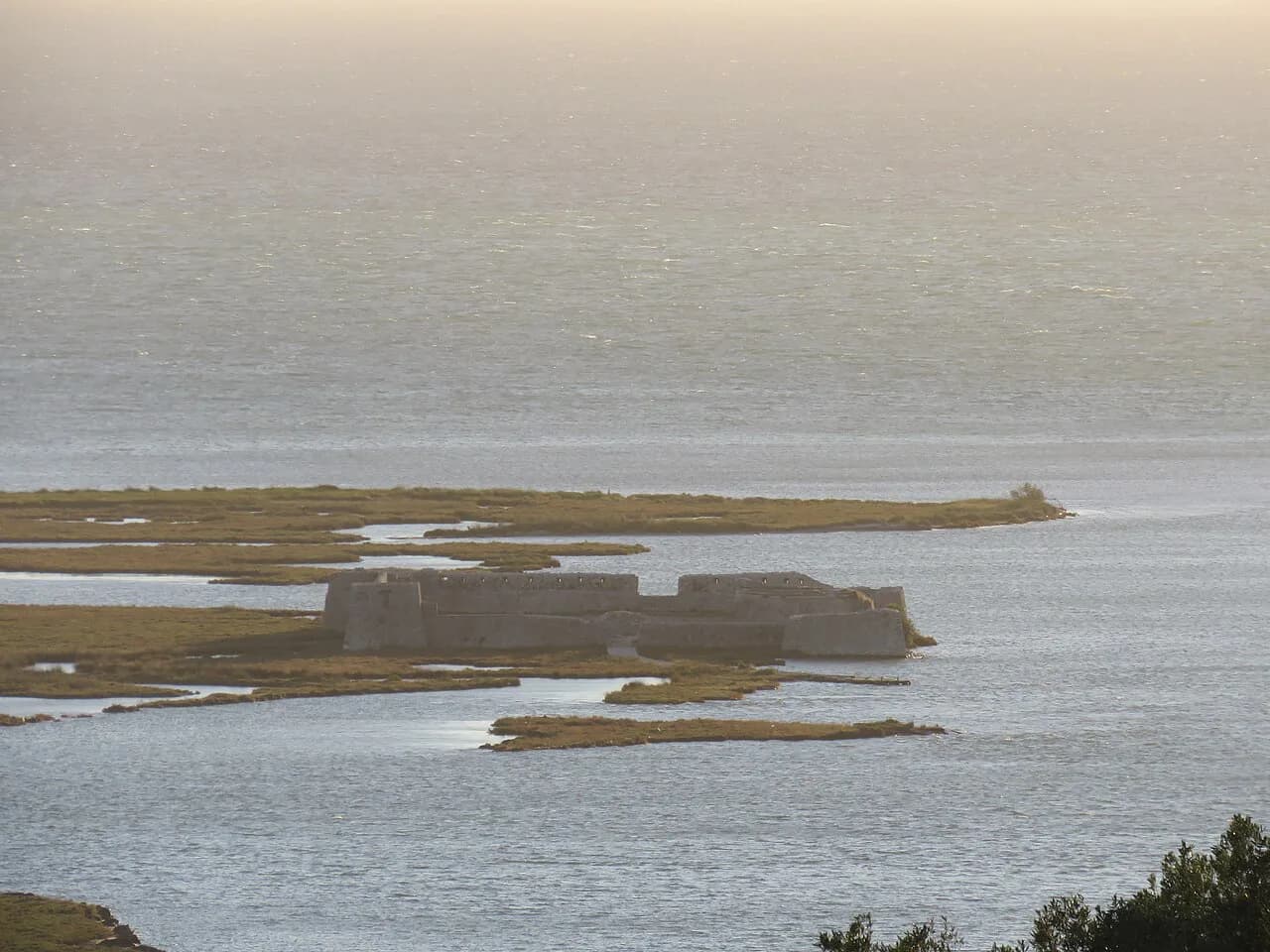
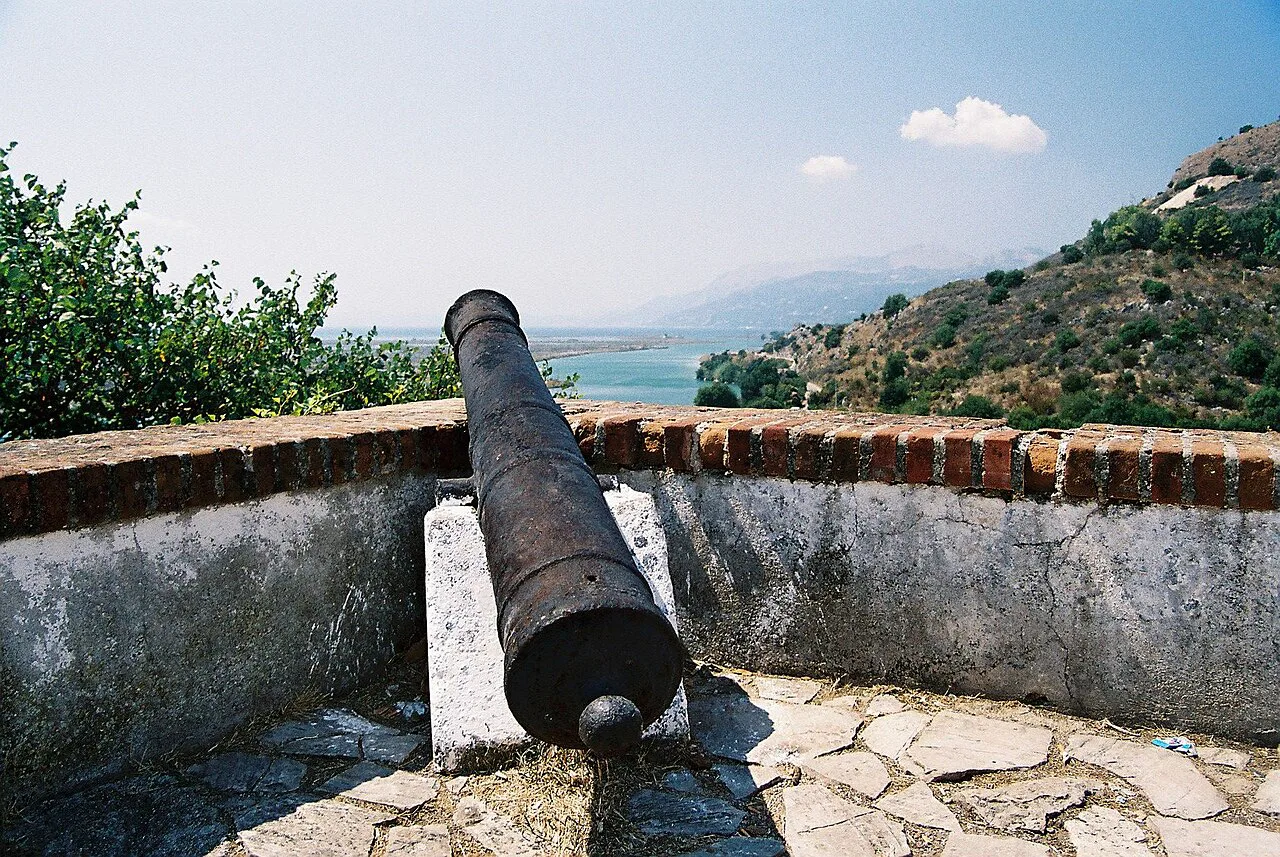
The fort is also called Vivari Castle, and it guards the point where the Vivari Channel meets the sea. Its walls look out over the coast and the calm Ionian water, and the channel itself separates it from the Butrint side. That position explains the whole visit: you are going out to a small defended island, not climbing a hilltop ruin.
Allow one to two hours for the castle itself, which is realistic for a compact fort with a short crossing. Pair it with the national park rather than treating it as a separate trip, since you start from the same entrance. The aggregator listing suggests April to October as the window for a boat crossing and an exposed coastal walk; that is a suggested season, not a guarantee of conditions on your date.
Why you can only reach the fortress by boat
Water surrounds the castle completely, so there is no path, track or bridge to walk in over. Boatmen at the Butrint site entrance take visitors across the channel, and kayak tours also run along it. The crossing is the visit rather than an optional extra, so plan the castle around whoever is running boats that day.
Kayaking suits travellers who want to work the channel themselves, while the boatmen's crossing suits anyone short on time or travelling with children. The open-water channel is exposed to wind, so the crossing is weather-dependent. Before you set out, check boat availability and access arrangements directly with the Butrint site or a local operator.
Who built it and when, and what it was built to stop
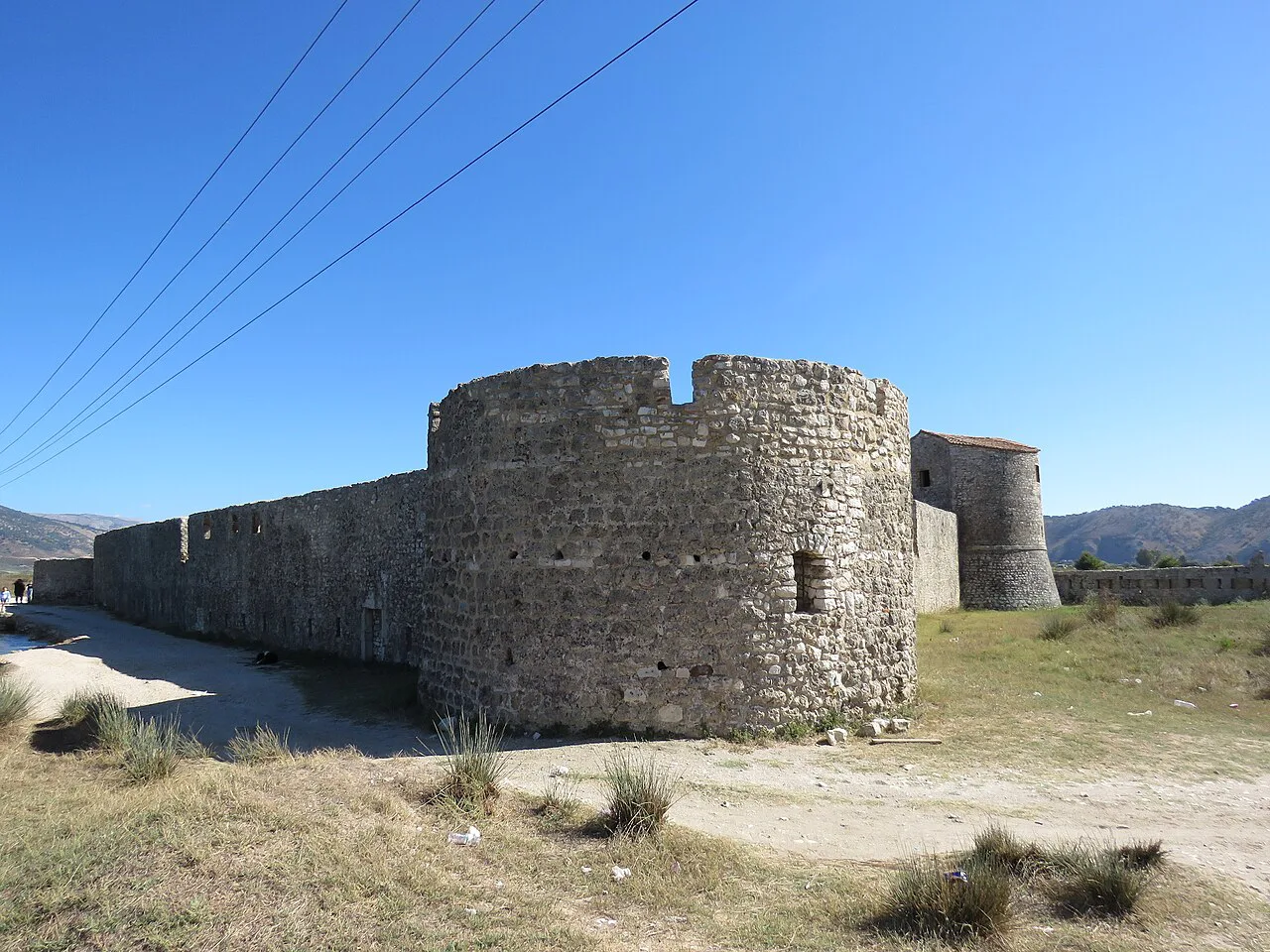
Ali Pasha of Tepelena built the fortress around 1800 at the mouth of the channel. The stated purpose was to block French troops from landing from Corfu, which lies across the water. Treat that as the reason given for its construction rather than a settled point of history.
An older account holds that the Venetians first built a stronghold here in the late 15th or early 16th century, when Corfu anchored their presence in the region. The two dates are usually explained as an earlier structure later rebuilt under Ali Pasha. Either way, the fort you cross to is small, tight and built for watching the water.
The layout: two round towers facing the sea, two square towers on the landward side
The fort is rectangular, measuring about 20 by 30 metres, with four towers guarding its corners. Two circular towers face the sea and two square ones rise on the opposite, landward side. It is small enough to walk round in minutes, but the tower shapes tell you which way the guns were expected to point.
The main gate stands between the square towers on the inland side. A second, smaller gate opens toward the canal and shows an unusual defensive arrangement. Between the two outer towers, an inner fortification system protects the entrance, so the doorway is layered rather than a single opening in a wall.
How to get there from Sarandë and Butrint
The castle sits about 3 km west of Butrint at the channel mouth, and about 15 km from central Sarandë as the crow flies. Most visitors reach it from the Butrint side, where the boatmen work from the site entrance. Coming by road, park at Butrint and walk in to the boat point rather than trying to drive to the fort.
Sorting out the gate, the boat point and the routes between monuments is easier with the Butrint map open before you arrive. The site layout matters here because you need to find the entrance, then the water, then the crossing. If you would rather not arrange it piecemeal, guided Butrint tours handle the transport and the boat in one booking.
How long to allow and when to go
Plan on one to two hours at the castle plus the crossing, and give the national park the rest of the day. The fortress is exposed, with little shade inside the walls, so a hot summer midday is punishing. Spring and autumn crossings are gentler, and the channel is quieter outside the peak weeks.
Boat running times, access and any charges change with the season and the weather, so confirm them at the Butrint entrance before you commit to the crossing.
Pairing it with Butrint National Park
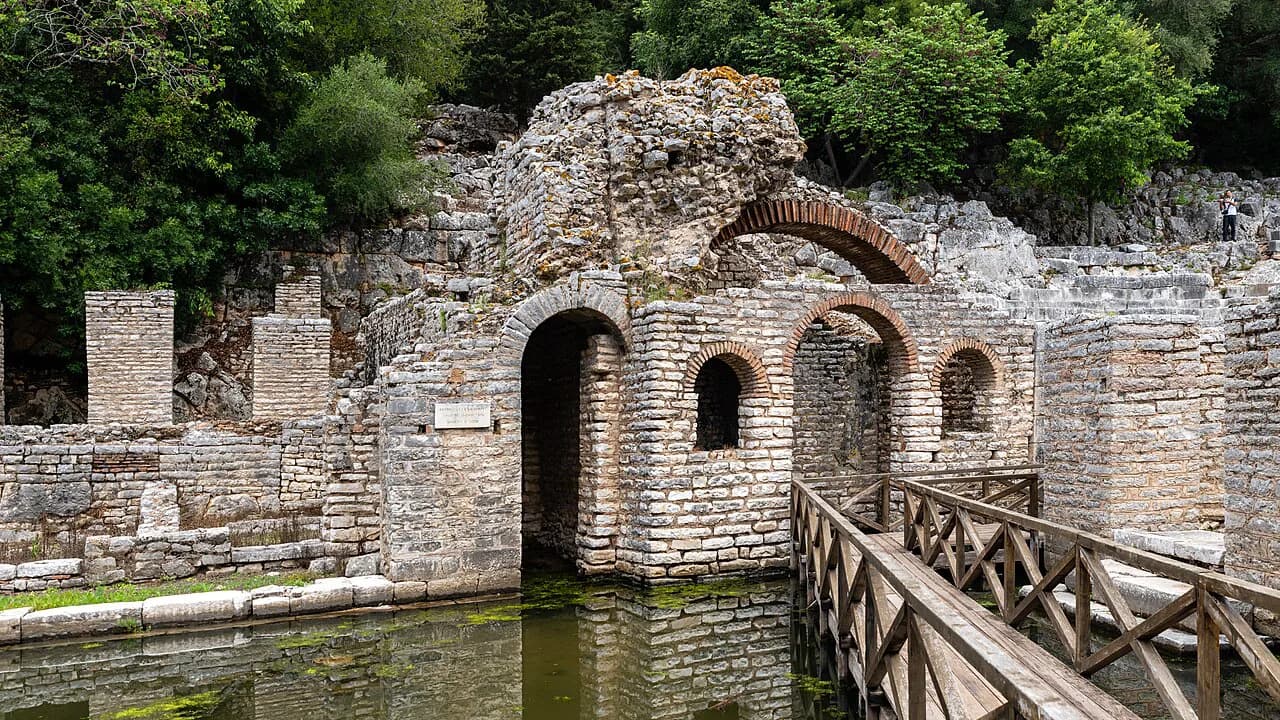
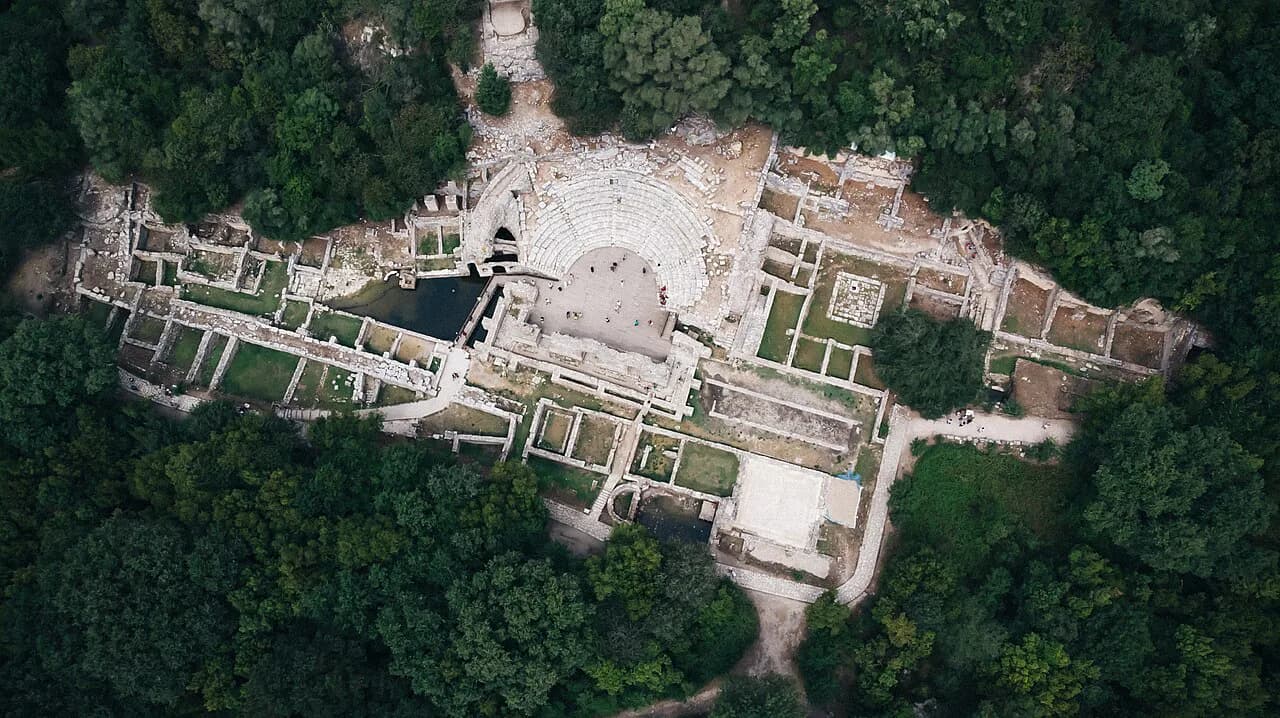
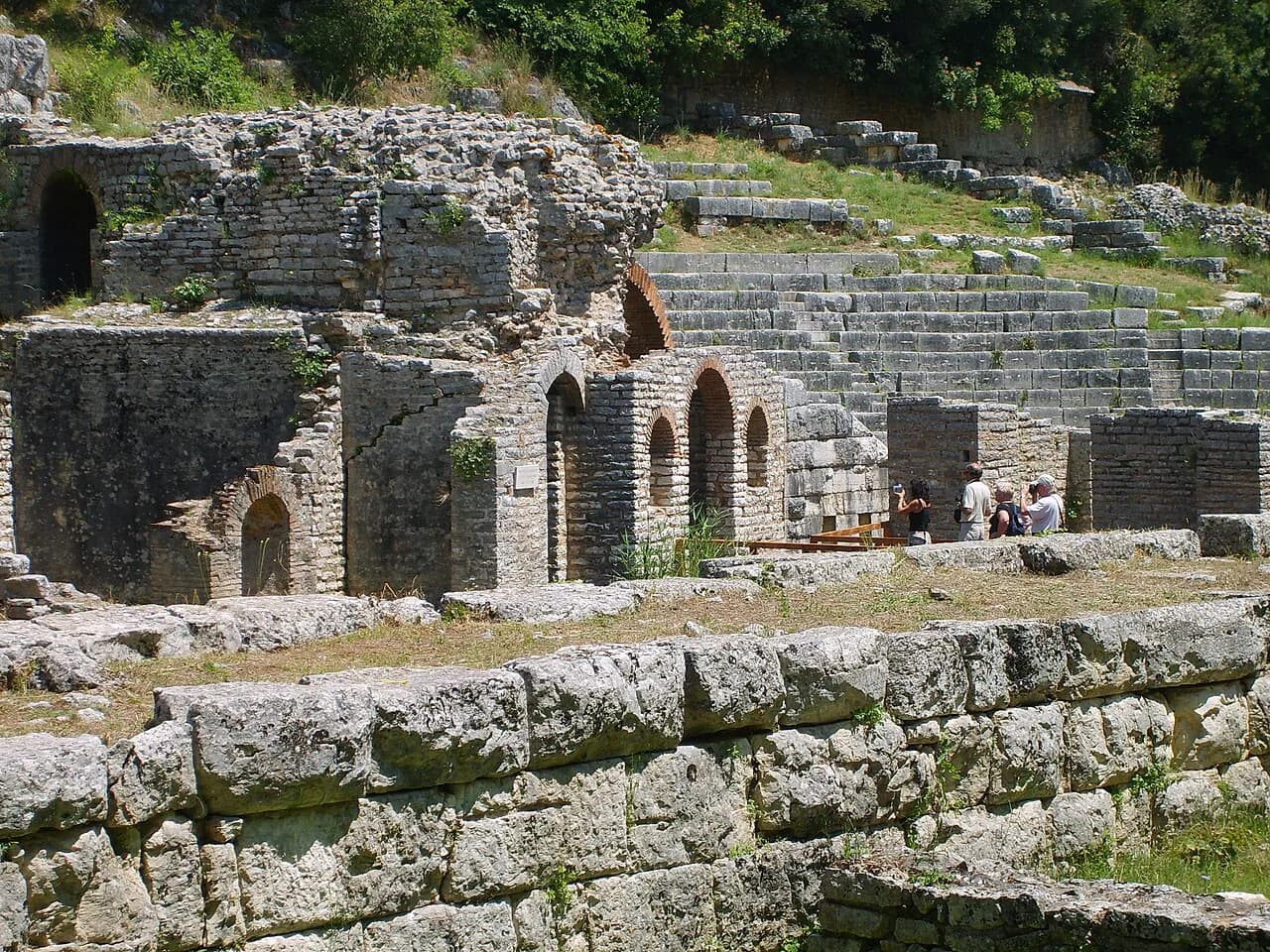
Butrint is a UNESCO World Heritage site whose remains run from Greek temples and a theatre to a large early sixth-century baptistery and Ottoman forts. The national park around it takes in lakes, lagoons, forest and coast, and its wetlands are a Ramsar site. The castle is the water-bound edge of that landscape rather than a separate excursion.
Give the archaeological site the morning and the channel crossing the afternoon, or the reverse to dodge the heat. For the layers behind the ruins, from the Greek city to the later centuries, Butrint history fills in what the stones leave out. Reading it first makes the short boat trip feel like the end of a story rather than a detour. Handy if you want the Butrint archaeological site to make sense before you reach the water.
If you want the finds themselves, the Butrint museum holds material from the excavations and is worth an hour before or after the crossing. The water defines the rest of the day: the Butrint lagoon and Lake Butrint sit alongside the channel. Together they make a loop you can walk, boat and drive in a single outing.
Nearby sights that fit the same day
Above Sarandë, Lëkurësi Castle was built in 1537 under Sultan Suleiman the Magnificent to guard the port and the sea and land routes nearby. Its surviving walls look over the town, the coastline and the Ionian. The Monastery of the Forty Saints, which gave Sarandë its name, stands on the hill of the same name above the town.
In town, the Old Synagogue Ruins are a trace of the Jewish community that lived and worshipped in Sarandë, and they slot into a walk through its religious history. Further out, St Mary's Monastery at Kakome dates from the 16th–17th century and sits near Kakome beach, about 10 km from Sarandë. St Nicholas Monastery near Mesopotam, dating from 1042–1054, has a four-domed church with an eagle, dragons and a lion on the apse.
What to wear and carry for the crossing
Wear shoes with grip, because the fort is exposed stone and the boat landing is not a promenade. Take water and sun protection even on a mild day, since shade inside the walls is limited and the crossing adds time in the open. A light layer helps with wind on the water.
Keep your bag light for the boat, and carry anything you need for the national park rather than expecting facilities at the fort. The channel mouth and the Ionian coast open up from the walls, which is the point of the position. Binoculars earn their place if you like reading a coastline.
Should you add the castle to your Butrint day?
Add it if you are already at Butrint and want an hour on the water inside a small Ottoman fort with a clear view back along the channel. Skip it if you are short on time or unwilling to depend on a boatman's schedule, because the crossing is the only way in.
Build the day around the national park and let the castle be the short, memorable extra at the end. Confirm boat availability and access with the Butrint site before you travel, and take the one-to-two-hour allowance seriously.
Sources
Notes for your Albania trip
Optional updates to our Albania town guides.
You might also like
Continue reading
More guides you'll find useful