Vuno, Albania: the Riviera Village in Himarë Municipality
Vuno is a village in the municipality of Himarë, Vlorë County, in southern Albania, whose population is exclusively composed of Orthodox Albanians.
On this page
Vuno is a village in the municipality of Himarë, Vlorë County, in southern Albania, and its population is exclusively composed of Orthodox Albanians. Treat it as a small settlement within the Himarë local government area rather than a resort, and plan it as a stop that sits alongside Himarë and the rest of the Riviera. This guide sets out where Vuno is, what the evidence establishes about it and what to confirm locally before you travel.
If you searched for Vuno and landed on a medical-imaging company, a calling app or a question about the word's meaning, you are on a different page: this one is about the Albanian village only. The name also appears in search results for artificial-intelligence products and a mobile app, which have nothing to do with the settlement in Himarë municipality. Keep that distinction in mind when you check maps and bookings.
Where Vuno is
Vuno sits within Vlorë County, the southern coastal county that runs down towards the Greek border, and within the municipality of Himarë. That places it in the same local government area as Himarë itself, so transport along this stretch of coast serves the village as part of the Himarë area. Use the county and municipality names when you search for connections rather than the village name alone.
For the wider set of stops around the town, from the castle headland to the coast either side, the Things to Do in Himarë guide is the place to build the itinerary. Vuno works as one element of that plan rather than a destination in its own right. Plot Himarë first, then hang Vuno off it.
What the village is
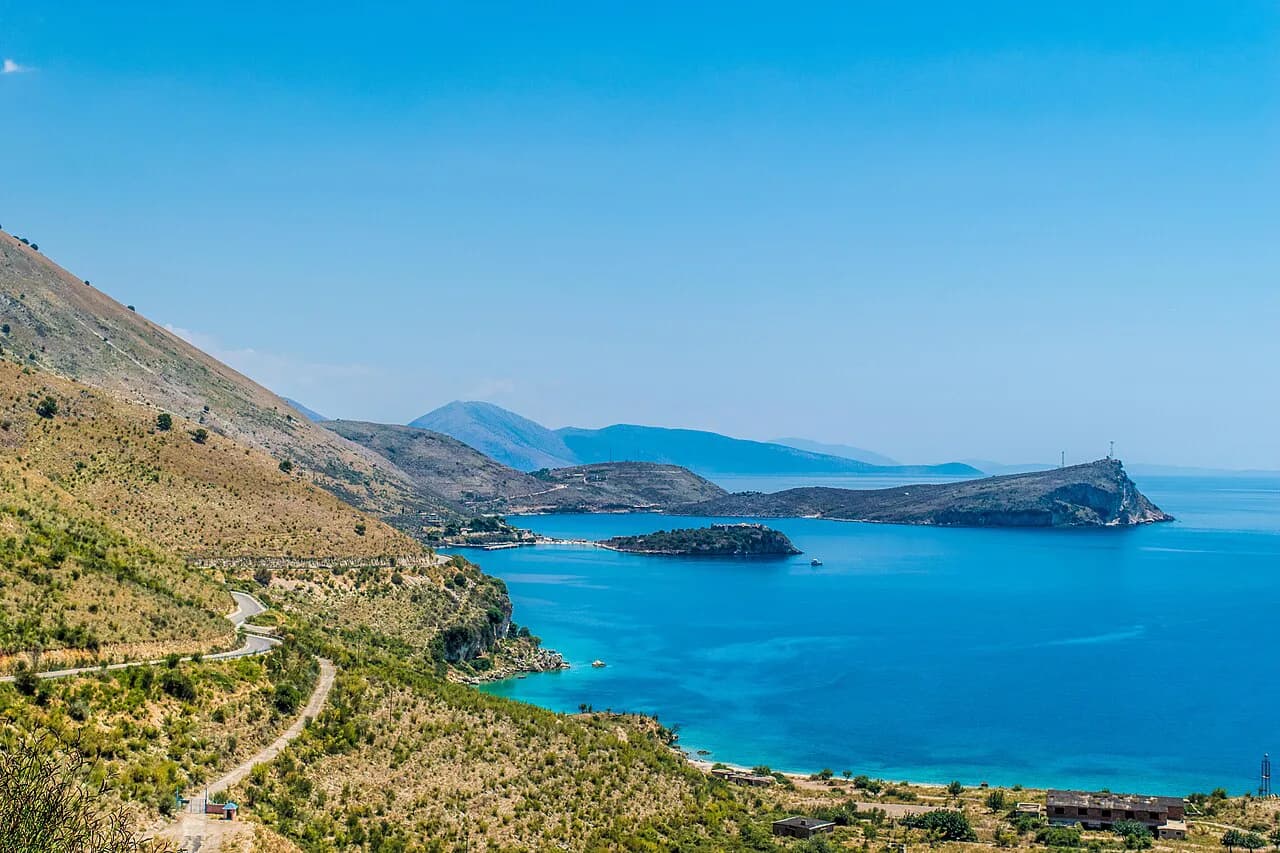
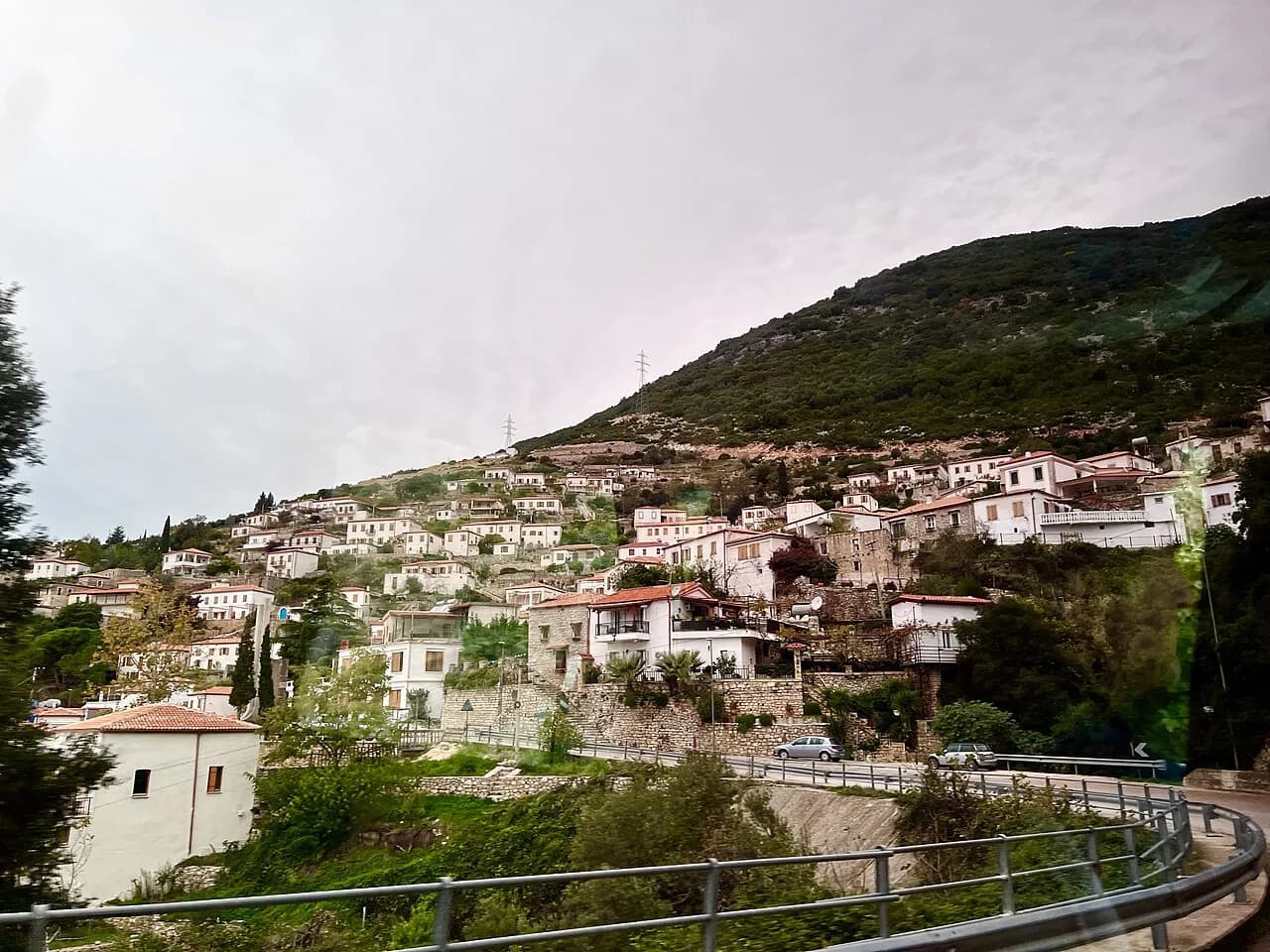
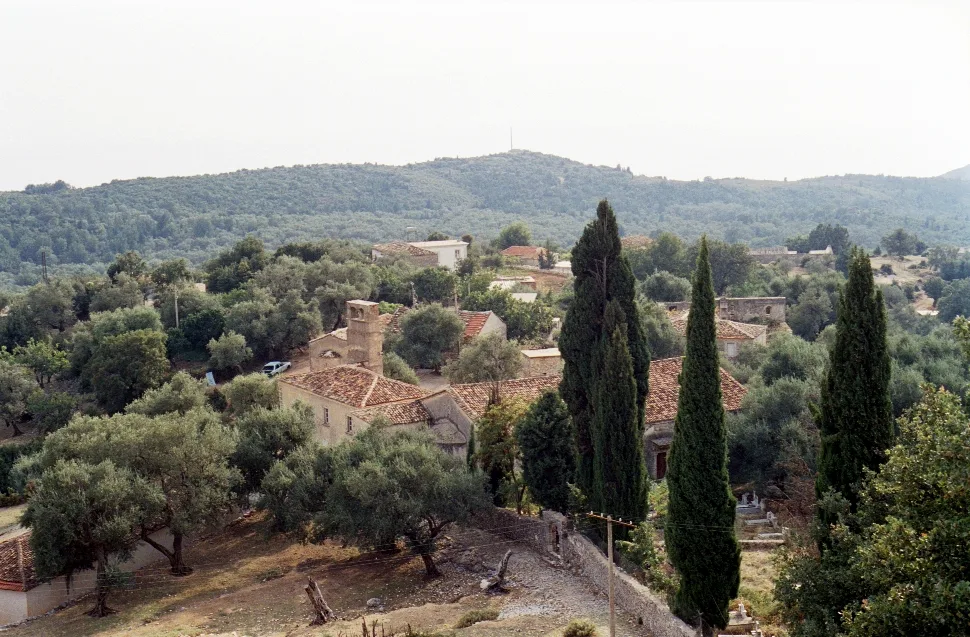
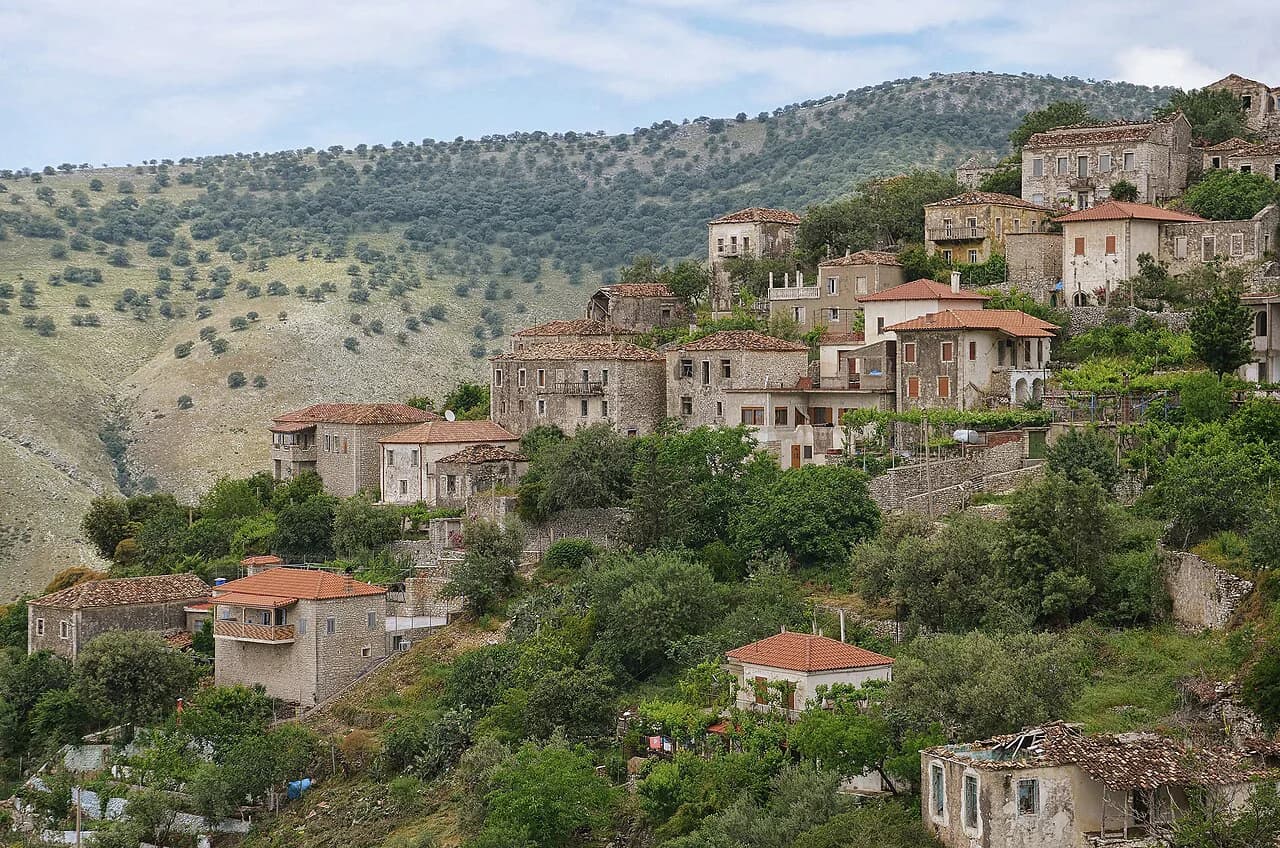
Vuno is a hill settlement set above the coast rather than a waterfront strip, so expect the village core to sit away from the shoreline and the approach to involve climbing. That shape decides how you visit: you walk the lanes and look out over the sea rather than stepping from a room onto sand. Allow for uneven surfaces and a gradient when you plan shoes and timing.
Because the population is composed of Orthodox Albanians, the village's religious identity is part of what you are walking through, and a church may sit within the settlement rather than on its edge. Behave as you would in any working village: keep voices low near a church, ask before photographing people, and dress with a little more care than you would on the beach. Specific service times and whether a given church is open are things to confirm locally on the day rather than assume.
Getting there and getting around
The practical approach is to base yourself in Himarë and reach Vuno from there, using a furgon minibus or a bus along the coast road, or driving yourself. Furgons are the shared minibuses that link Riviera towns and villages, and they often leave when full rather than to a printed clock, so build slack into the day. For the town end of the journey, the Himarë Old Town page covers the layout you will be arriving from.
Driving gives you the most control over timing and lets you combine Vuno with stops along the same road. The coastal road is winding, and the final approach to a hill settlement may be steeper than the main road suggests, so allow more time than the distance implies. Departures and fares for furgons vary, so confirm them at the Himarë end before you set out.
Visiting respectfully
Vuno's population being exclusively composed of Orthodox Albanians is the context for the kind of buildings you may pass and the calendar the village keeps. It is background for etiquette, not a sight list: treat any church you find as a place of worship first. Cover shoulders and knees, remove hats, and stay quiet if a service is under way.
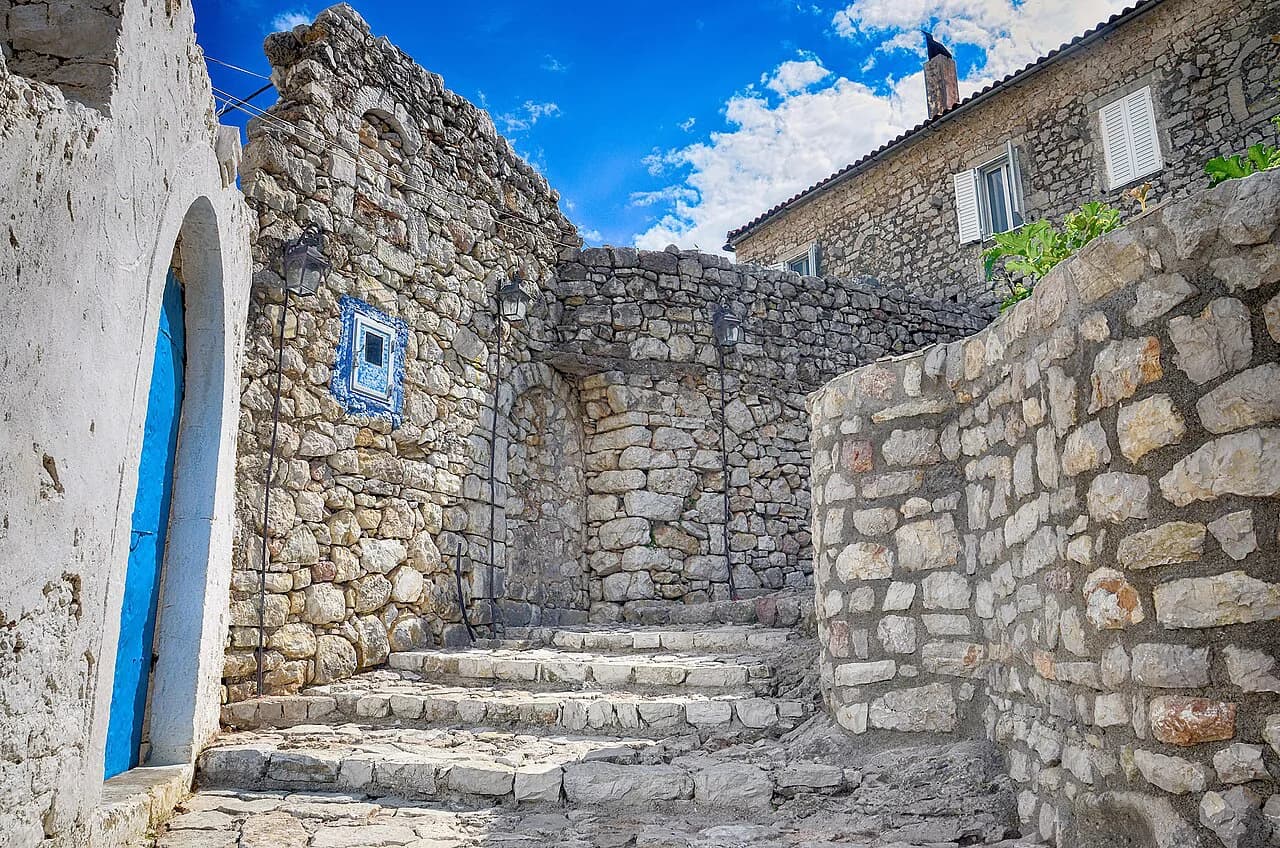
Beyond that, the village rewards the ordinary: stone lanes, courtyard walls and views back down towards the sea. Carry water, since a hill village has fewer places to buy it than the seafront, and keep cash for small purchases in case card machines are not available. Photograph houses and people only with a nod of permission.
How long to allow
Give Vuno a short stop of an hour or two if you are passing through, or a half day if you want to walk the lanes slowly and combine it with a nearby stretch of coast. The trade-off is heat and crowds: the Riviera's summer months make a midday climb uncomfortable, and the coast road carries more traffic in high season, so an early start buys you cooler air and easier parking. In shoulder season the same stop takes less out of you.
If you are short of time, Vuno is the sort of place to see on the way to somewhere else rather than a day in itself, because the village is compact and the surrounding draws sit along the same road. Build the day around one anchor, such as Himarë or the Blue Eye, and let Vuno be the pause between them. That keeps the driving sensible and leaves room for the unplanned stop.
Nearby places
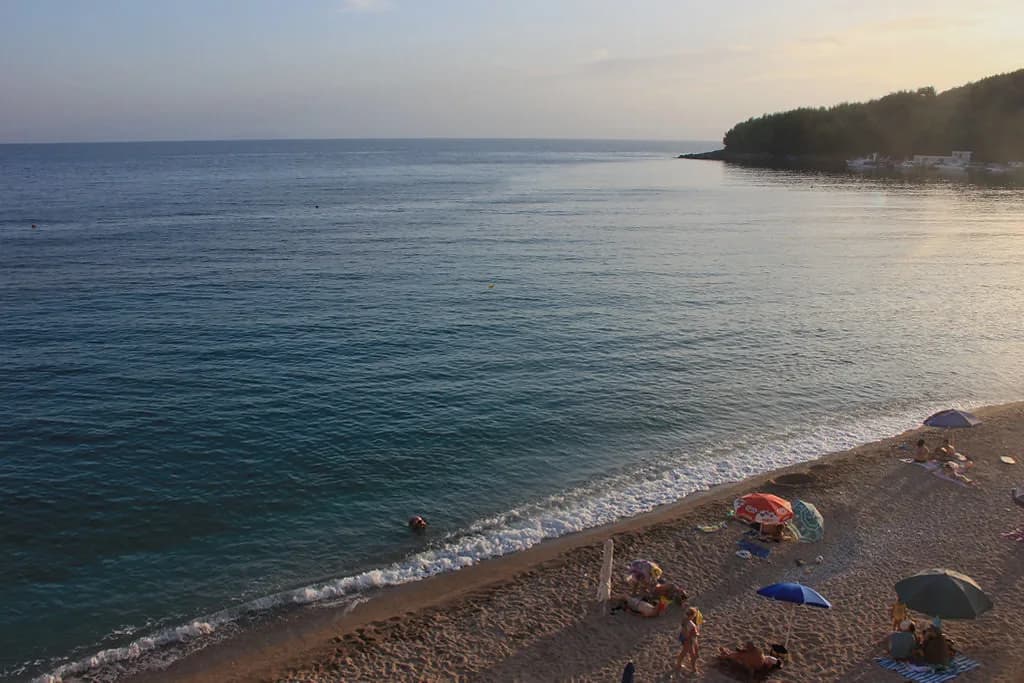
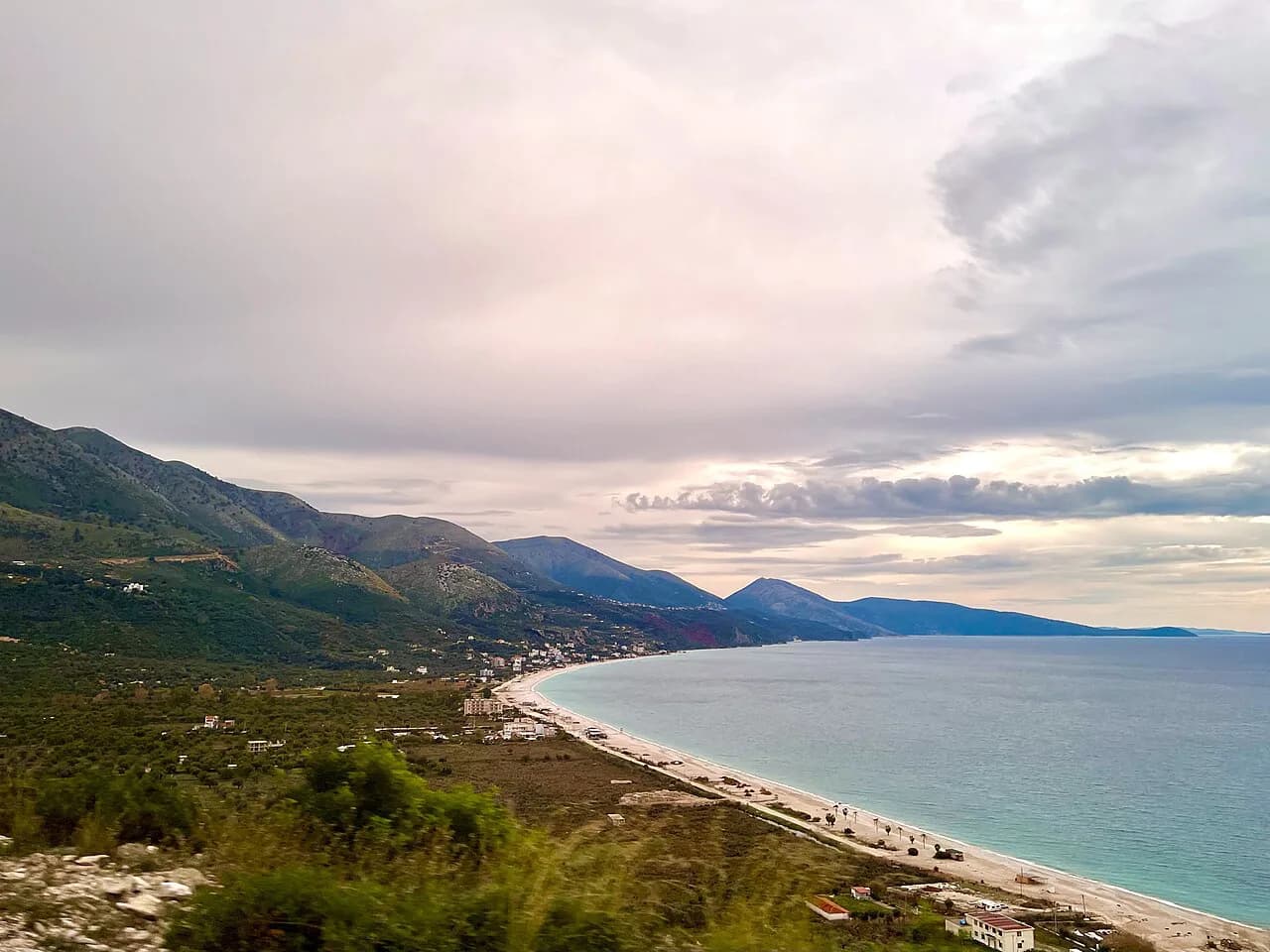
The shoreline below the village is part of the wider Riviera beach picture, which the separate beach guides cover in detail; treat this page as the pointer, not the ranking. What matters for planning is that the beach is a descent from the village rather than a step away, so a swim means committing to the drive or the walk down and back up. Factor the climb into the heat of the day.
Other Riviera stops
Himarë itself is the natural companion, and its old town gives you a concentrated version of the same hill-and-sea setting with the castle headland above it. A Himarë boat trip is the way to see the coastline from the water if you would rather not drive between viewpoints. Both work as half-day pieces that slot around a Vuno stop.
Inland and along the road, the Blue Eye, Syri i Kaltër, is the spring-and-pool site that appears on most Riviera itineraries and pairs well with a morning in the hills. Lëkurësi, the hill and castle site above Sarandë, sits further south and suits a separate day rather than a detour from Vuno. Further north along the coast, Lukove and Palasë are villages of the same Riviera type, each with its own practical guide, if you are stringing together several small settlements.
What to confirm in Himarë first
Transport is the one element to confirm rather than assume: ask in Himarë about current furgon and bus departures along the coast road, and check locally whether any churches in the village are open to visitors on the day you plan to walk up. For orientation before you travel, the Himarë map page helps you place Vuno relative to the town and the coast road.
Should Vuno be a stop or the destination?
Make Vuno a stop. It is a small village in the municipality of Himarë, Vlorë County, whose population is exclusively composed of Orthodox Albanians, best reached from Himarë by furgon, bus or car and best visited in the cooler hours. Pair it with the town, the coastline and the Blue Eye rather than building a day around it alone.
Explore more Himare guides
Frequently Asked Questions
Where is Vuno?
Vuno is a village in the municipality of Himarë, Vlorë County, in southern Albania. It lies within the same local government area as Himarë itself, so it is naturally paired with the town and the rest of the Albanian Riviera.
Who lives in Vuno?
The population of Vuno is exclusively composed of Orthodox Albanians, according to the available reference material. That identity is the context for the village's churches and calendar rather than a list of sights.
Is Vuno worth visiting?
It is worth an hour or two if you are already on this stretch of the Riviera. Vuno is a village in the municipality of Himarë, Vlorë County, and it works as a quiet pause between Himarë and the coast road rather than a destination in itself.
How do you get to Vuno?
Base yourself in Himarë and reach Vuno from there by furgon minibus, bus or car along the coast road. Departures and fares for furgons vary, so confirm them at the Himarë end before you set out.
Sources
Notes for your Albania trip
Optional updates to our Albania town guides.
You might also like
Continue reading
More guides you'll find useful