Himarë Old Town: The Kastro Quarter and Spilea, Explained
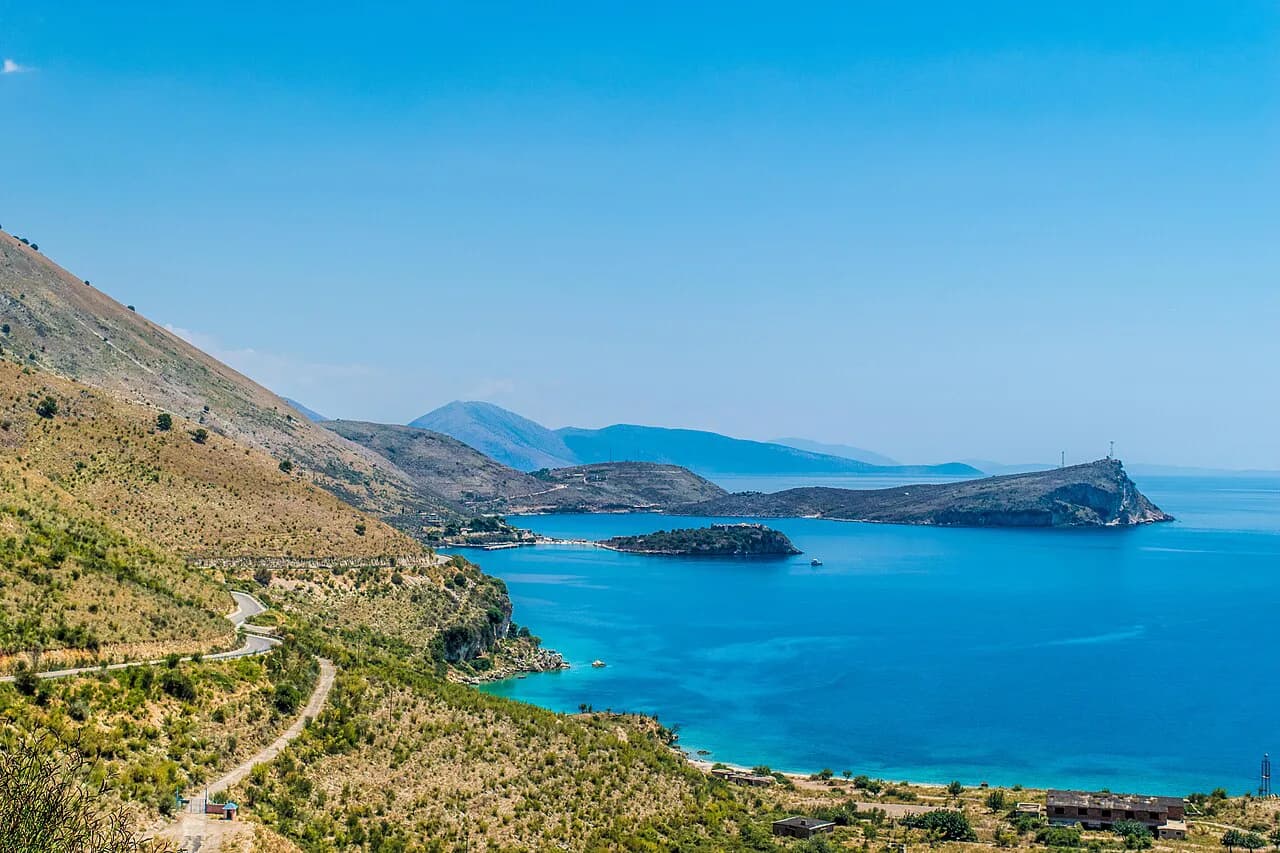
Himarë old town sits in the Kastro, the castle quarter above the coastal Spilea area. Here is how the two halves fit together and what to look for in each.
On this page
Himarë old town is the Kastro, the quarter built on and around the castle hill, and it sits directly above Spilea, the coastal part of town where the seafront and most visitor activity are. The two are one town but feel like two places, and knowing which one you are heading for is the main decision before you set out. This guide covers the layout, the climb between them, what to look for in the Kastro lanes and how to fit the old town into half a day.
What the old town is
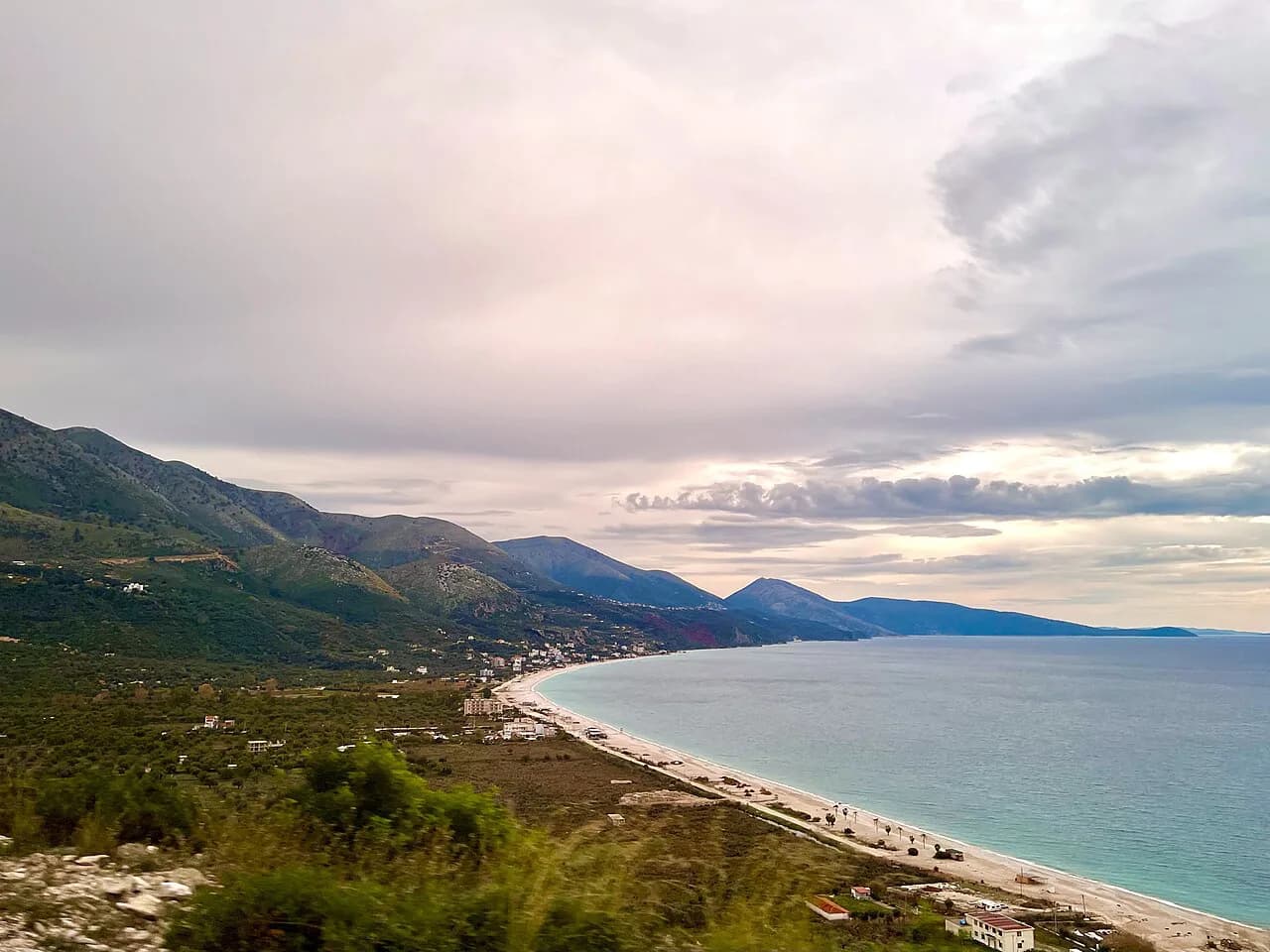
The town divides into the old town, Kastro, on and around the old castle, and the coastal region of Spilea, which is the touristic and seafront part of Himarë. That split is the single most useful fact for planning a visit, because the lanes, stone houses and castle remains are up the hill while the promenade, cafés and swimming are at sea level. Treat the Kastro as the historic quarter and Spilea as the base you return to.
Signs and maps use Himare, Himarë and Himara interchangeably, so do not be thrown when the spelling changes between a road sign and your booking confirmation. All three refer to the same town.
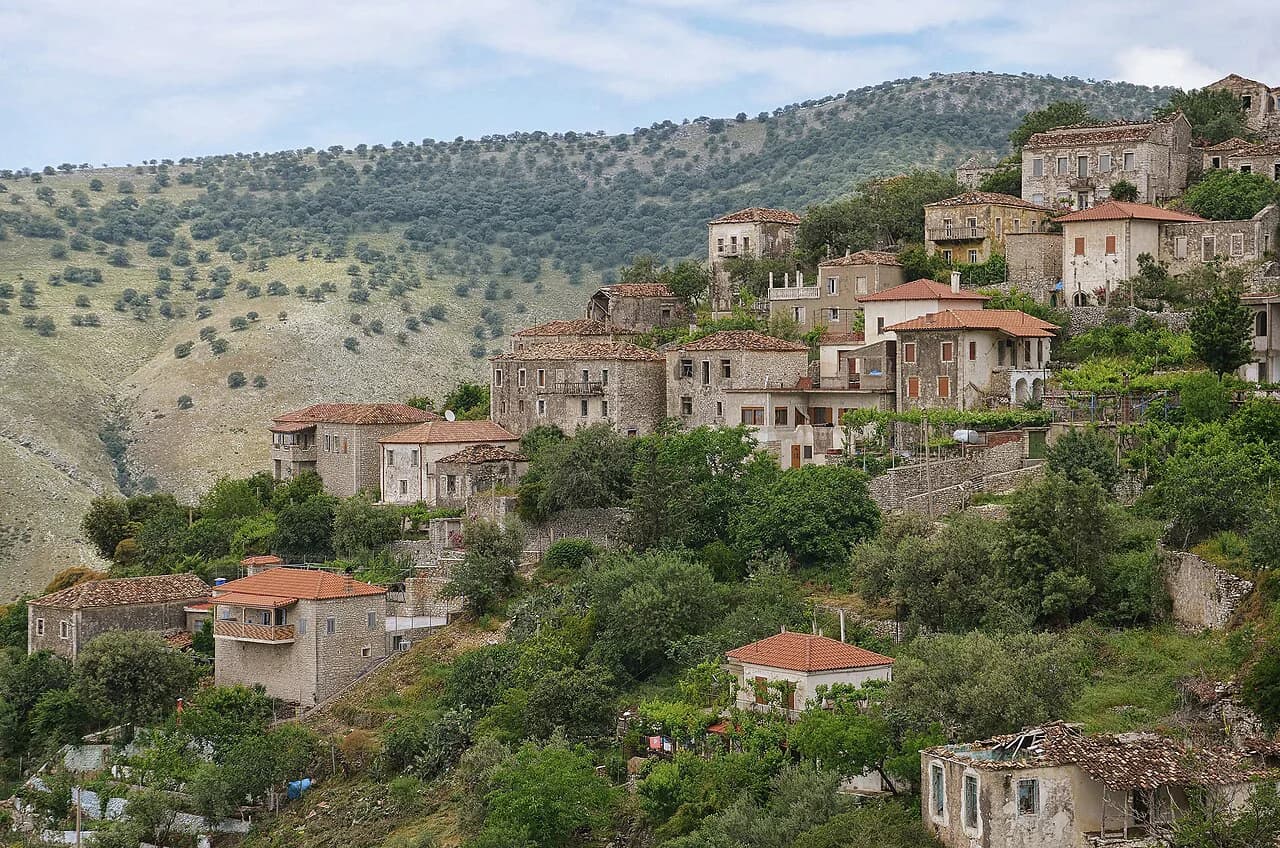
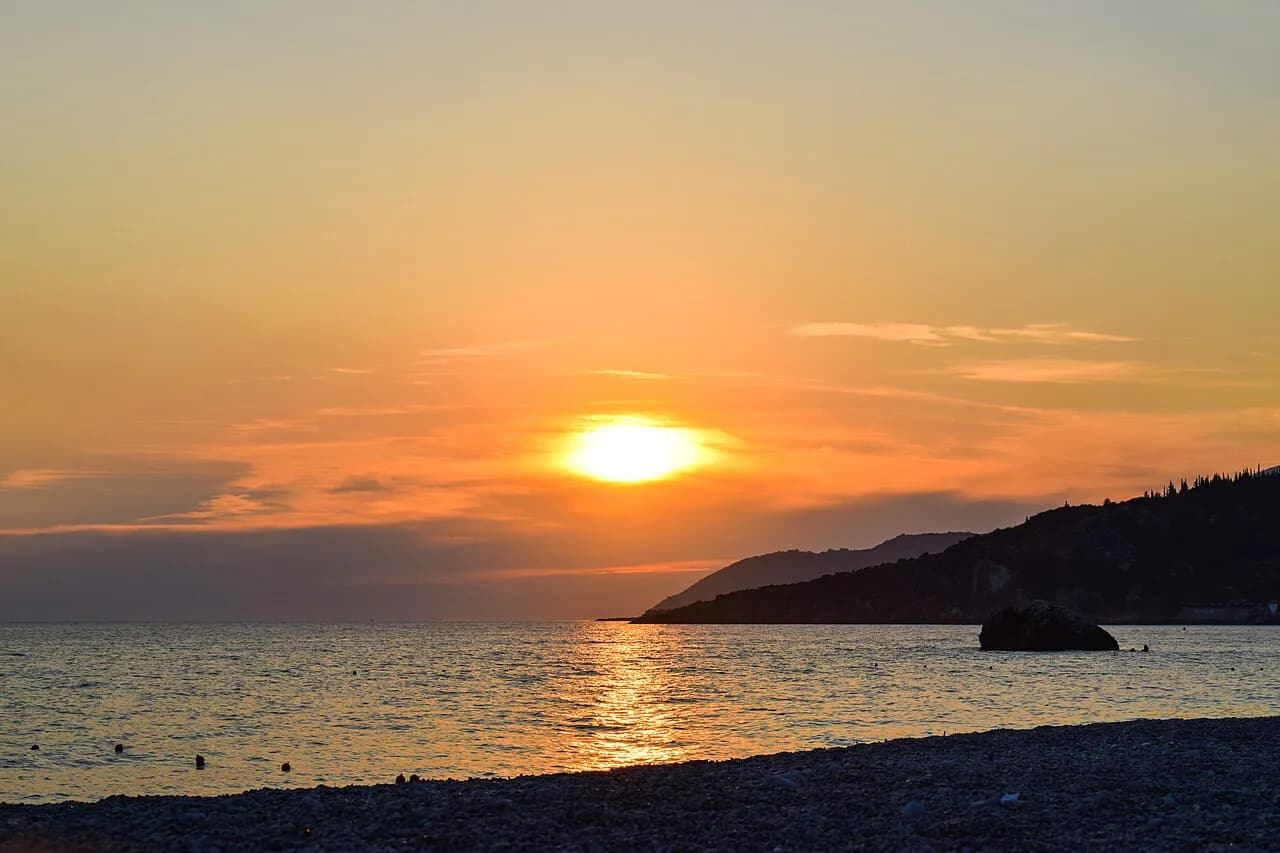
The two halves of Himarë: Kastro above, Spilea on the coast
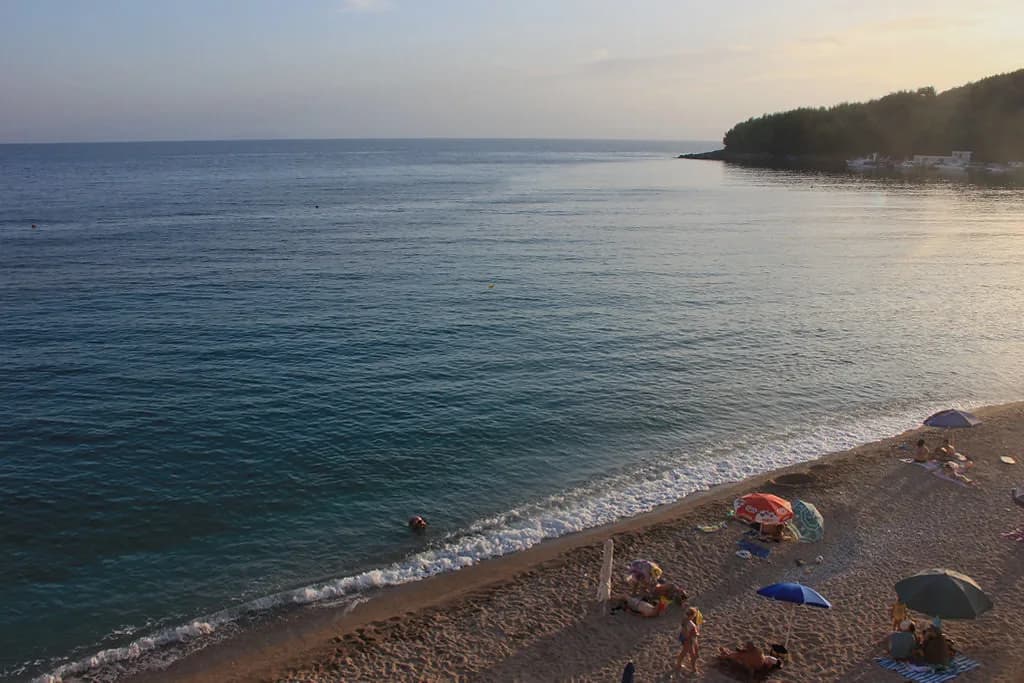
Spilea is the working holiday town: a stretch of coast, a promenade running parallel to the water and the shops and cafés that go with it. It is flat, easy on foot and where you will spend most of your time eating, swimming and strolling. The Kastro, by contrast, is the older settlement on the hill, and its appeal is the lanes and castle fabric rather than services.
Because the two quarters serve different purposes, plan them as separate outings rather than one continuous wander. Do Spilea in the cooler evening or morning, and give the Kastro its own slot when you are fresh enough for the climb.
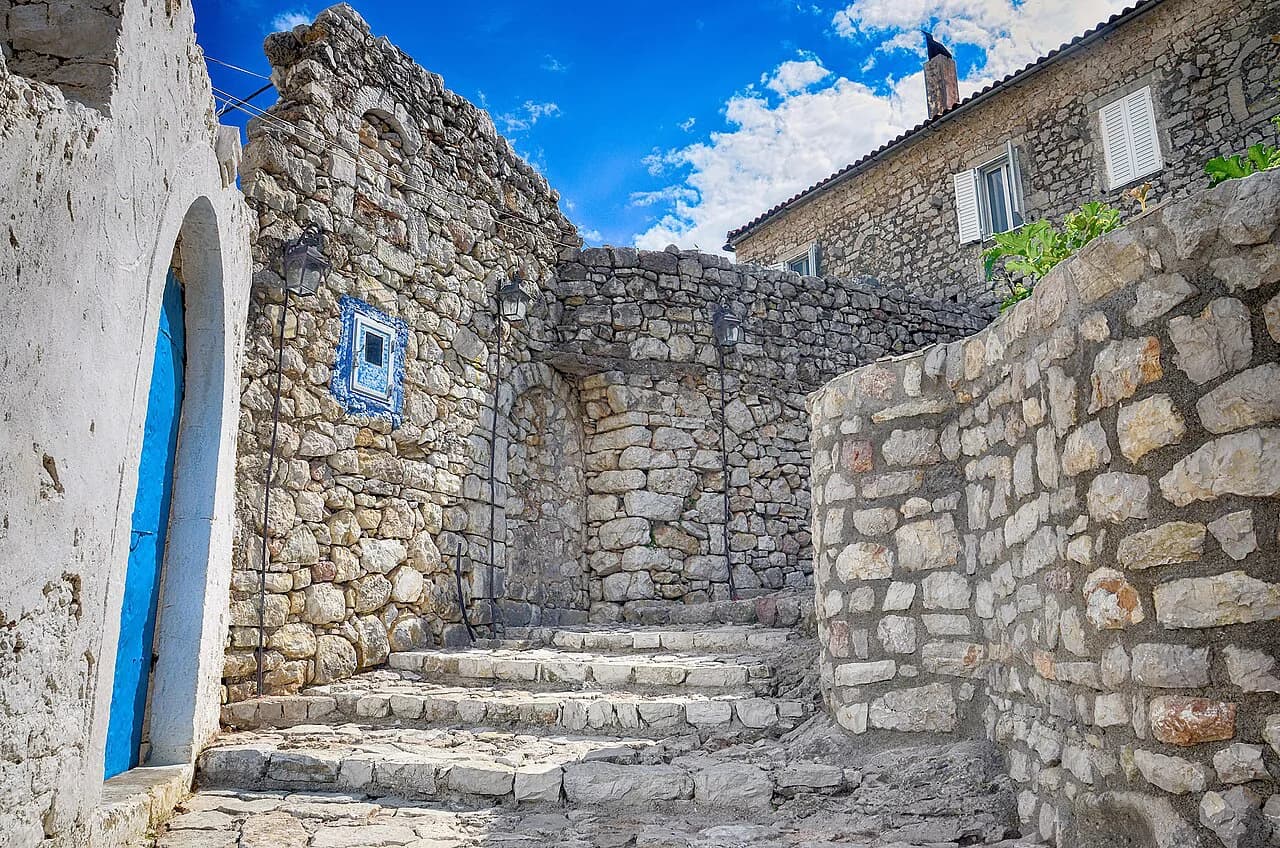
Walking between Spilea and the Kastro
The change from coast to old town is a climb, and that ascent is the practical decision on this walk rather than a footnote to it. Go up early or late in the day, when the heat is off the exposed lanes, and accept that the return leg down is the easy part. Do not plan the Kastro as a five-minute detour from the seafront.
The lanes themselves are the route: narrow, stone-built and uneven underfoot. Sturdy shoes with grip do more for your day than any itinerary tweak, particularly on the way down when loose stone and heat combine.
What you see in the Kastro
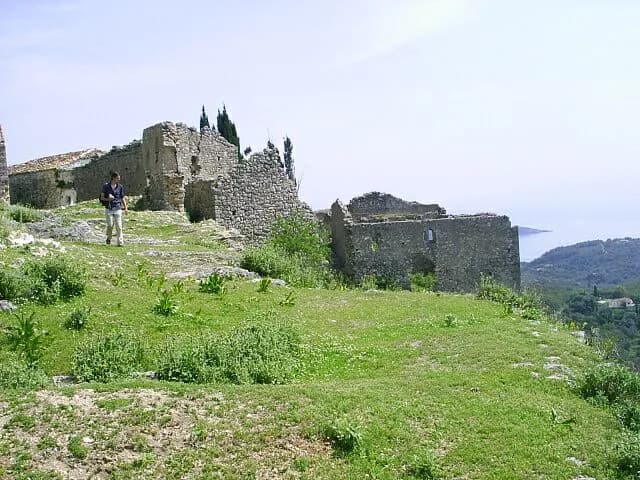
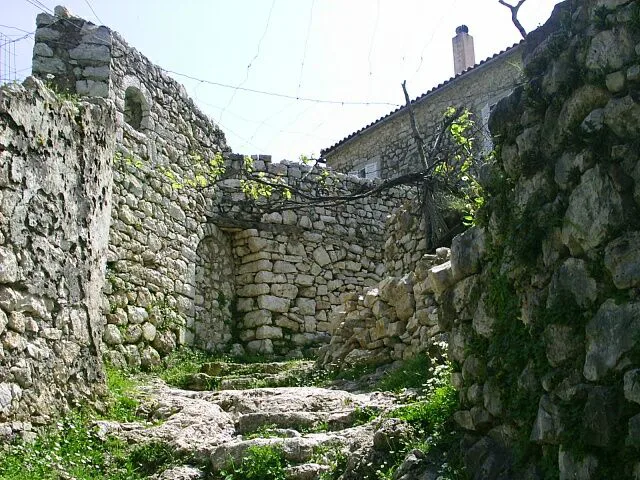
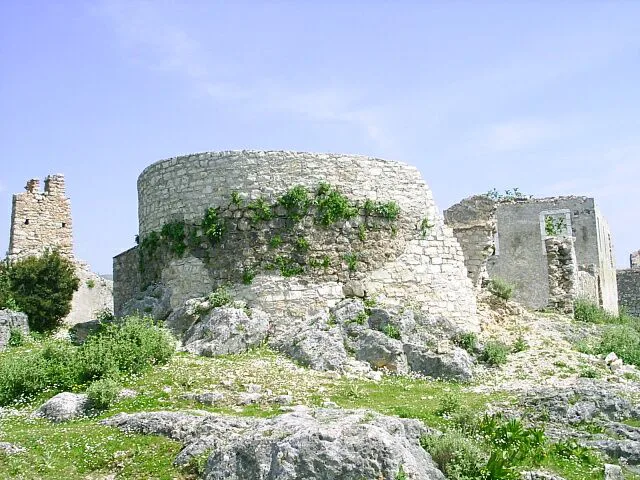
The Kastro takes its name from the castle, and the quarter is arranged on and around that hilltop site. Expect castle remains, tight lanes and old stone houses rather than a single ticketed visitor attraction with one set route. Treat the Kastro as a walk through the quarter and let the castle hill be the destination at the top, checking any current access arrangements for the castle itself before you rely on entering it.
Walk slowly and look at the building fabric: doorways, walls and the way houses sit tight against the slope. The interest here is architectural and atmospheric, so a slow half-hour in the lanes beats a brisk circuit.
The Spilea seafront promenade below
Below the old town, the promenade is the natural place to start and finish. It runs along the coast and makes a gentle bookend to a morning or evening in the Kastro, and most of the town's eating is down here rather than up in the old quarter.
If you want to eat well after the climb, the tavernas and restaurants along the seafront are where to look, and the Greek influence in the cooking is noticeable. Our best restaurants in Himarë guide covers the options in more detail.
Where the two halves meet
Use the seafront as the hinge of a short circuit: start at the promenade, climb into the Kastro, loop through the lanes and descend back to the water. That order keeps the hardest walking in the middle of the outing and puts a cold drink at the end of it. It also means you never carry bags or beach kit up the hill.
If you would rather see the old town from the water, a boat tour gives you the coastline and the hill from offshore, which is a different reading of the same geography. Arranging Himarë Boat Tours is straightforward from the seafront, and such a trip pairs well with a morning in the Kastro.
How long the old town needs
A short circuit covering the climb, the Kastro lanes and the walk back down fits comfortably into a couple of hours, which leaves the rest of a half-day for the promenade and a swim. Build in extra time for photographs and for sitting at the top; the climb itself is not long, but the heat slows you down.
For a broader plan of the town beyond the old quarter, our Things to Do in Himarë guide sets out the beaches and the coastal stops that fill the rest of the day. Use the old town as the historic half of that plan rather than the whole of it.
Practical points: steep lanes, heat and footwear
Summer heat is the real constraint on this walk, not distance. The lanes are exposed and steep in places, so carry water, wear shoes with grip and go up before the middle of the day or after it. Take the descent slowly if the stone is loose.
Once you are back at sea level, the Riviera villages north and south of Himarë make easy onward stops if you have a car. Our Lukovë and Palasë guides cover two of them for anyone extending the trip along the coast.
Should you climb to the Kastro?
Yes, if you have a couple of hours and reasonable shoes. The Kastro is where Himarë's older fabric survives, and the climb is short enough to fit around a beach day rather than replace it. Skip it only if heat or mobility makes steep stone lanes a genuine problem, in which case the promenade and Spilea deliver the town without the ascent.
Explore more Himare guides
Frequently Asked Questions
What sea is Himarë on?
Himarë sits on the Ionian Sea, on the Albanian Riviera coast, with the old town on the hill above the Spilea seafront.
Is the old town the same as the castle?
The old town is the Kastro quarter, built on and around the old castle hill. The castle remains are part of that quarter rather than a separate site elsewhere in town.
Sources
Notes for your Albania trip
Optional updates to our Albania town guides.
You might also like
Continue reading
More guides you'll find useful