Vlorë History for Visitors: What You Can Still See
Vlorë's history is written into its squares, mosques and museums. Trace it from Illyrian origins to the 1912 independence declaration, with the places to see.
On this page
Vlorë's history gives a visitor three anchor points: Flag Square, where independence was declared in 1912 and marked by a monument unveiled in 1972; the Muradie Mosque, an Ottoman building dated to 1537; and two museums that split the national story from the town's own past. Everything else in this guide hangs off those, so you can walk the centre in a morning and still make sense of what you are looking at.
The pages below tie each period to a specific place rather than retelling history in the abstract. For the wider set of stops beyond the historical circuit, keep the broader guide to Things to Do in Vlorë to hand as you plan the day, and use Vlorë Old Town for the lanes and surviving fabric of the centre.
The independence story: 1912 and where it is marked
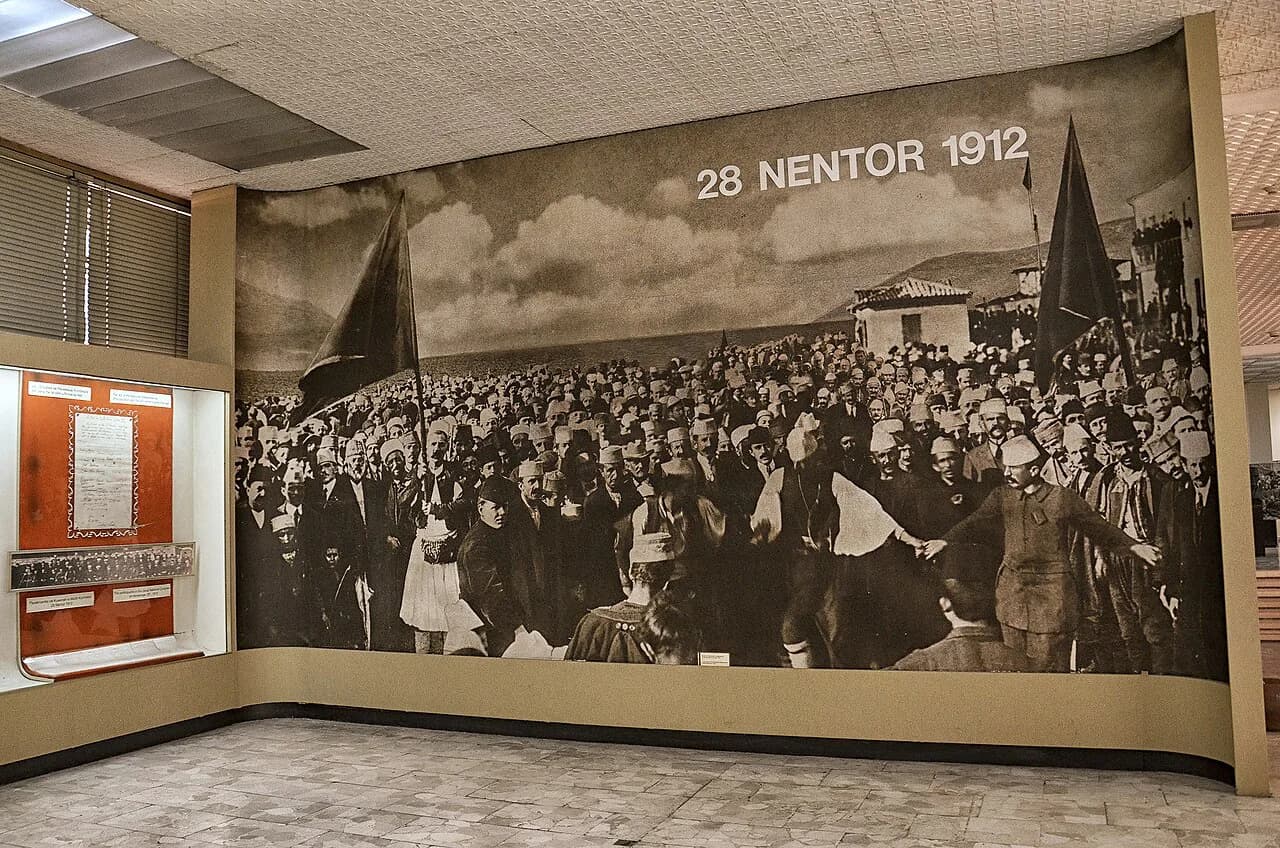
The date that shapes how Albanians read Vlorë is 1912, when independence from the Ottoman Empire was proclaimed in the town under the statesman Ismail Qemali. Visitors meet that moment in two places: Flag Square, dominated by the Independence Monument, and the Museum of National Independence, which covers the first government.
Treat the pair as one stop. The square gives you the scale and the setting, the museum gives you the detail, and walking between them takes minutes rather than a taxi ride.
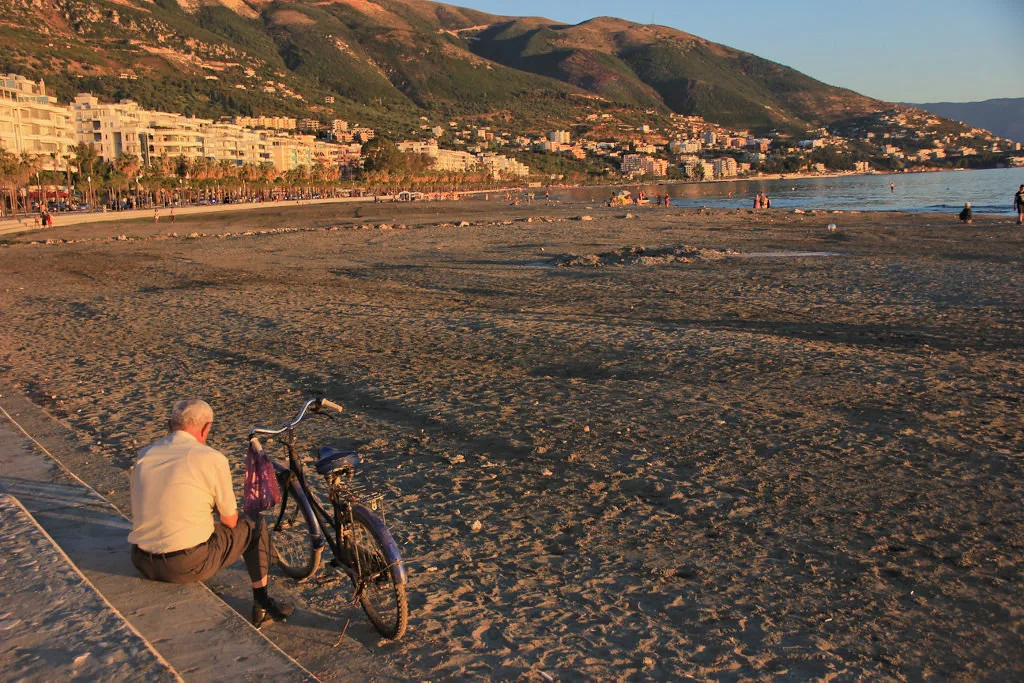
Flag Square and the Independence Monument
The Independence Monument in Flag Square commemorates the 1912 declaration and was made by the sculptor Mumtaz Dhrami in 1972, in a socialist-realist style, a work that stands for both independence and the country's difficult post-war years. The square is planted with palms and pines, with benches where you can sit and watch the town go past, which makes it the natural place to start a history walk.
Come here first, before the museums, so the chronology is clear in your head. Late afternoon light on the monument is the better time for photographs, and the benches mean you can linger without buying anything.
The Muradie Mosque
Vlorë's main mosque is an Ottoman building dated to 1537 and attributed to the architect Mimar Sinan, and it is listed as an Albanian national monument; look closely at the ornamental masonry and the minaret. It is among the religious buildings that survived the post-war communist regime, when many others in Albania were closed.
It sits close enough to Flag Square that you can combine the two without transport. Dress modestly, as you would at any working mosque, and check locally whether it is open to visitors on the day you go.
The Museum of National Independence
The Museum of National Independence focuses on the first government and the people around it, so it is the place to go if 1912 is what brought you to Vlorë. Pair it with Flag Square rather than treating it as a separate outing, since the two explain each other.
Allow roughly an hour unless you read every panel. Confirm opening days and any entry charge at the door or through the tourist information office before you build the rest of the day around it.
The Historical Museum (Muzeu Historik)
The Historical Museum is the town's own museum, a separate stop from the Museum of National Independence. If you only have time for one museum, choose by interest: national independence or the longer local story, and check what is currently on display when you arrive.
It works best after Flag Square and the independence museum, when the national story is fresh and the local detail has somewhere to attach. Check the day's opening hours before setting out, as museum schedules change with the season.
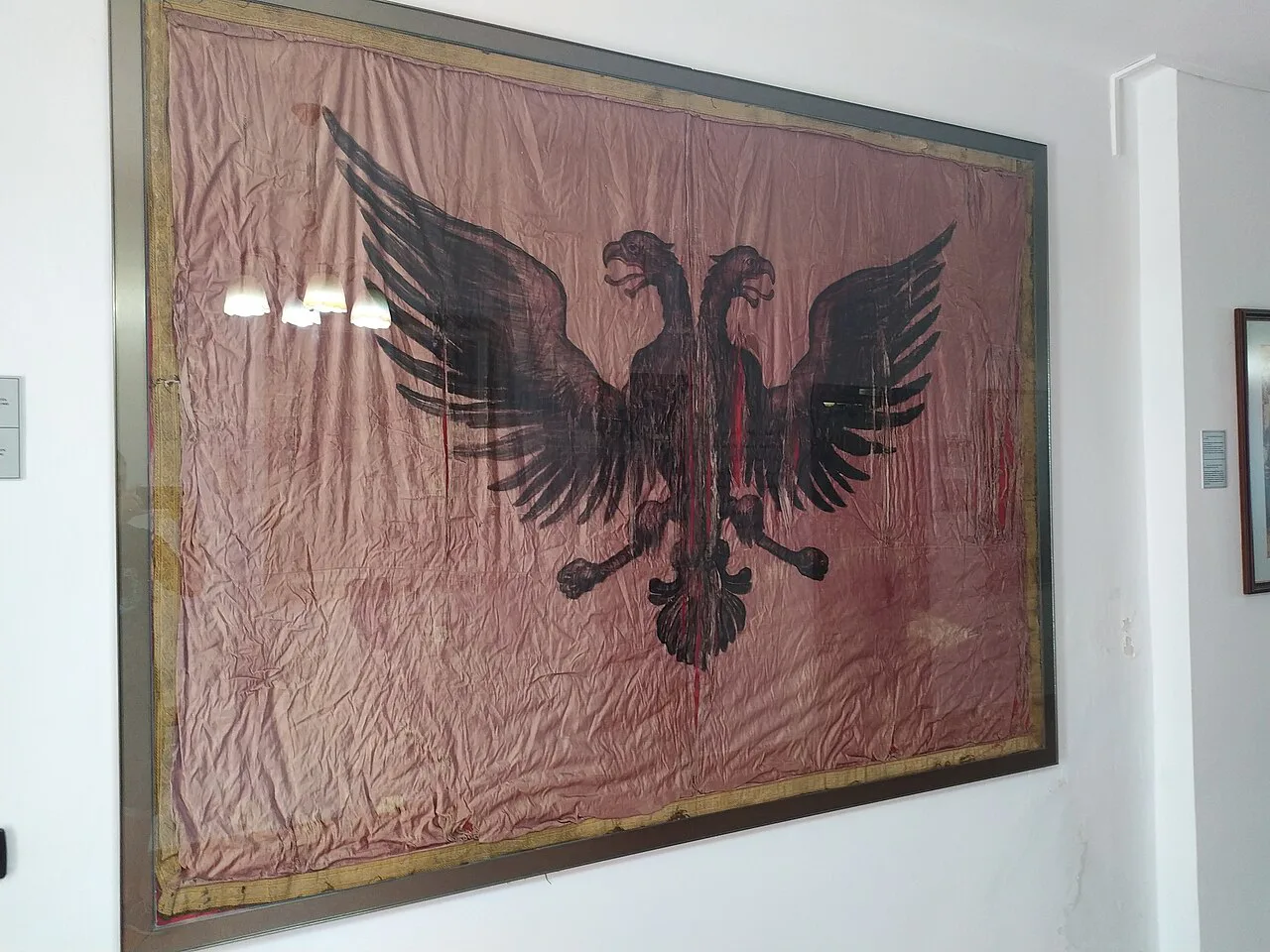
Vlorë Old Town: what survives to walk through
The old town is the part of Vlorë where you read the layers on foot, between the monuments and the waterfront rather than in a single ticketed site. For the lanes and surviving fabric of the centre, see the dedicated guide to [Vlorë Old Town] and give it a slow hour in the morning, when the lanes are quieter and the heat has not built.
Pair the lanes with the seafront only if you have a full day, since the two pull in opposite directions. Cobbles and uneven paving make comfortable shoes the practical choice.
Kuzum Baba and Kanina Castle: the layers above the town
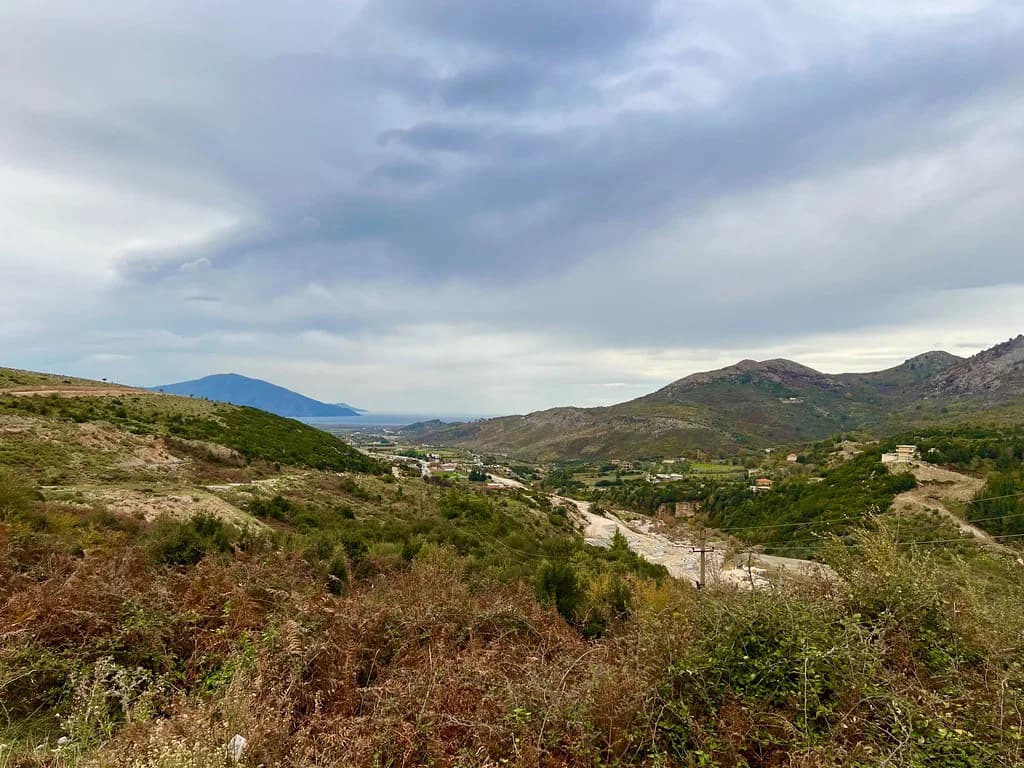
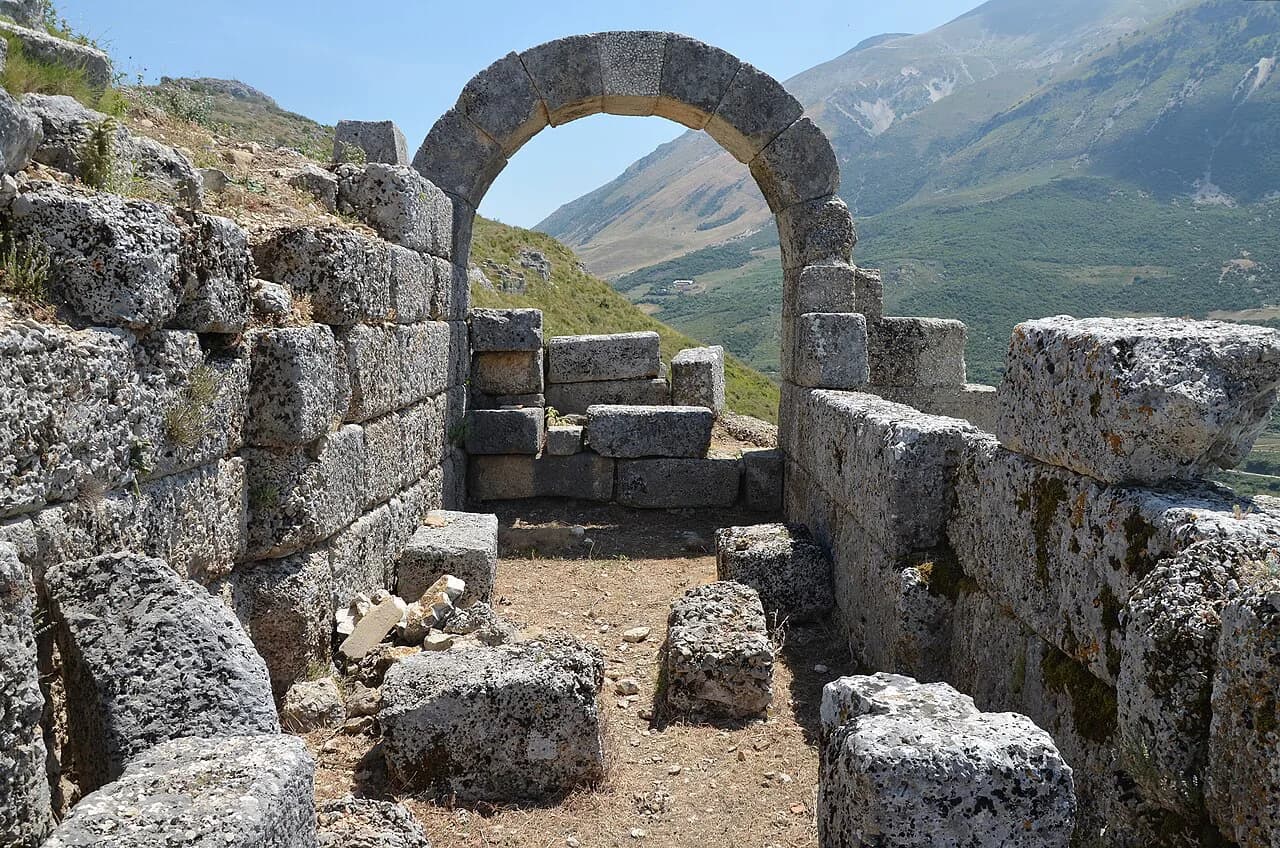
Kuzum Baba is a viewpoint above Vlorë, and Kaninë Castle sits behind the town, so both give you the geography that explains why the harbour mattered: a wide bay below the Ceraunian Mountains, facing the Adriatic and Ionian seas. Go for the view and the sense of how the town sits in the landscape, and use the guide to [Kaninë Castle] if you want the site in detail.
Kaninë needs transport or a longer walk, so put it last in the day or save it for a separate outing. Take water, and go earlier if the forecast is hot.
Older layers: Illyrian and Greek origins and the Ottoman centuries
The Vlorë area saw pre-urban Illyrian activity from around the 11th to 10th centuries BC, and the ancient Greeks colonised the site; the town later passed to the Ottoman Empire in 1464 and stayed under Ottoman rule until 1912. The Ottoman centuries left the Muradie Mosque as the clearest building to visit, while the earlier periods are read through the museums and the wider landscape.
Keep the sequence in mind as you walk: ancient origins, a long Ottoman stretch, then the 1912 declaration. That order turns a scatter of stops into a route.
Zvërnec Monastery and Island
Zvërnec Monastery sits on an island a short trip from town and is the historic religious site most worth adding if you have a spare half-day beyond the centre. It is a different kind of visit from the museums: quieter, outdoors, and best combined with the lagoon rather than rushed between town stops.
Check how you will reach the island on the day, since any crossing arrangements matter more than the distance on a map. Go in the morning to keep the rest of the day free, and see the guide to [Zvërnec Monastery] for the site itself.
How long the circuit takes and how to order the stops
A sensible order is Flag Square and the Independence Monument, the Muradie Mosque and the Museum of National Independence, the Historical Museum, then the old town lanes, with Kuzum Baba last for the view. That covers the centre in about half a day without rushing.
Add Kaninë Castle or Zvërnec and you need a full day or a second morning. Use the Vlorë map to check the distances before you commit, because the town spreads along the bay and looks tighter on paper than it walks.
What to skip if you only have half a day
With half a day, keep Flag Square, the Muradie Mosque and one museum, and drop Kaninë and Zvërnec. The pair outside the centre are worthwhile, but they eat the time you need for the independence story, which is the reason most visitors come.
If you would rather spend the afternoon on the water, a boat trip out to the Karaburun-Sazan Marine Park is the alternative use of that half-day, and it trades history for coastline. Decide before you set out, then walk the monuments in the morning either way.
Which half-day suits you?
Choose the monument-and-museum circuit if 1912 is your reason for stopping in Vlorë; keep Flag Square, the Muradie Mosque and one museum, and walk the old town lanes between them. Choose Kaninë or Zvërnec only if you have a second morning to spare.
Check museum opening days and any entry charges before you go, then leave the rest of the day loose for the seafront.
Explore more Vlore guides
Sources
Notes for your Albania trip
Optional updates to our Albania town guides.
You might also like
Continue reading
More guides you'll find useful