Museums in Vlorë: Which Ones to Visit and What They Cost
Vlorë's museums cover independence, archaeology and everyday life. Here is what each one holds, where it sits in the city and what tickets and hours to plan around.
On this page
Vlorë's three central museums split by subject: independence in 1912, the archaeology of the wider district, and the everyday life of the town's households and trades. If you only have time for one, choose the National Museum of Independence, because it occupies the building where the declaration was made and holds original objects from that period.
All three sit in the centre, close to Flag Square and the port, so they work as a single half-day rather than three separate outings. The sections below take them in turn, then cover the historic sites outside town and the museum project that is not yet a visit.
What museums Vlorë has, and the short answer on which to pick
The National Museum of Independence, the Historical Museum and the Ethnographic Museum are the three historic museums in the city, and each covers a different period and scale. The independence museum is compact and political, the Historical Museum covers antiquity through the medieval period across the Vlorë district, and the Ethnographic Museum is about domestic and working life.
Plan roughly an hour for the independence collection, an hour for the Historical Museum and 45 minutes for the Ethnographic Museum, which is enough to read the room displays without rushing. That timing suits a rainy morning or the hottest part of a July afternoon, when the seafront is exposed and the museums are not.
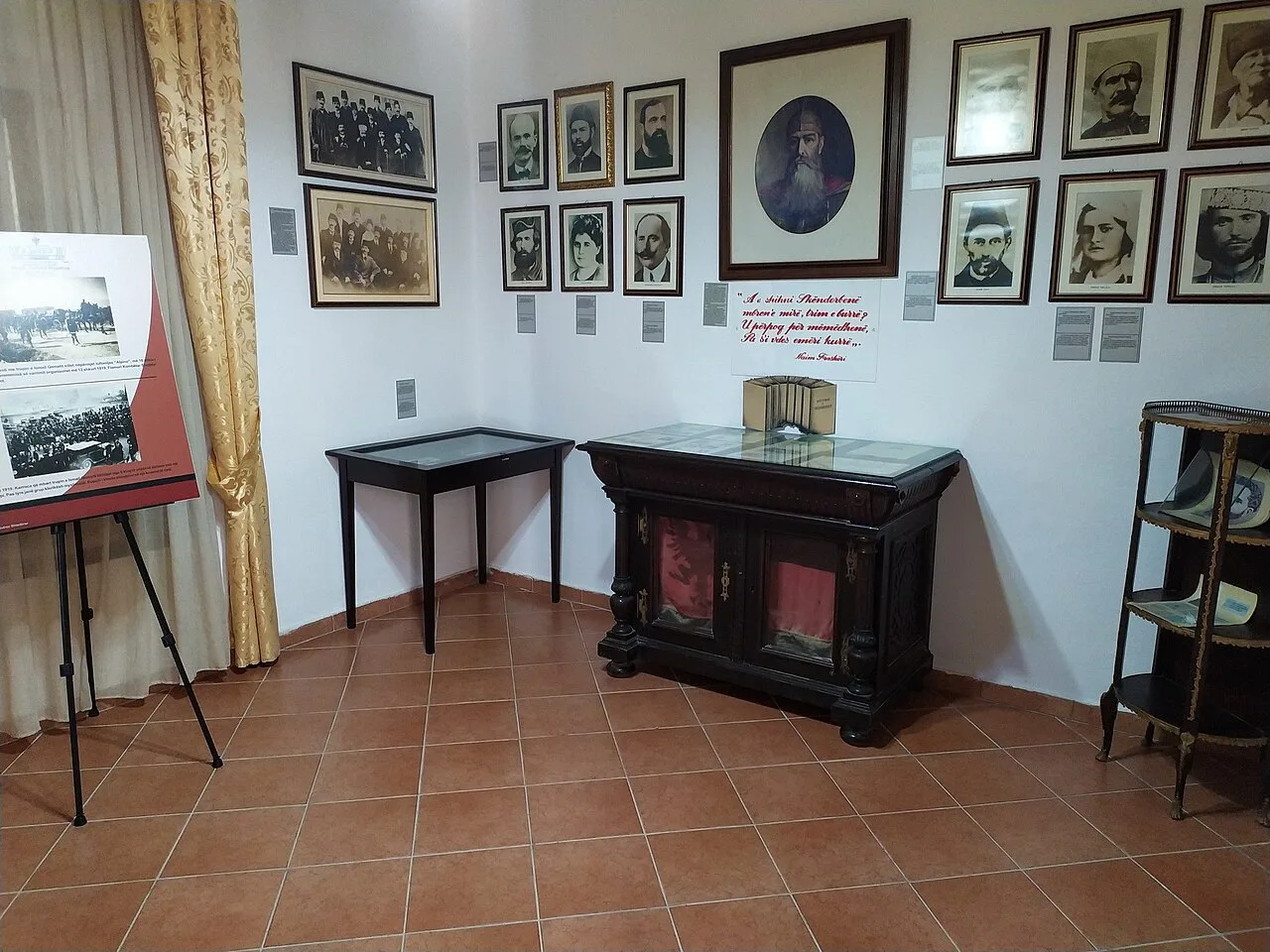
National Museum of Independence: the building where independence was declared in 1912
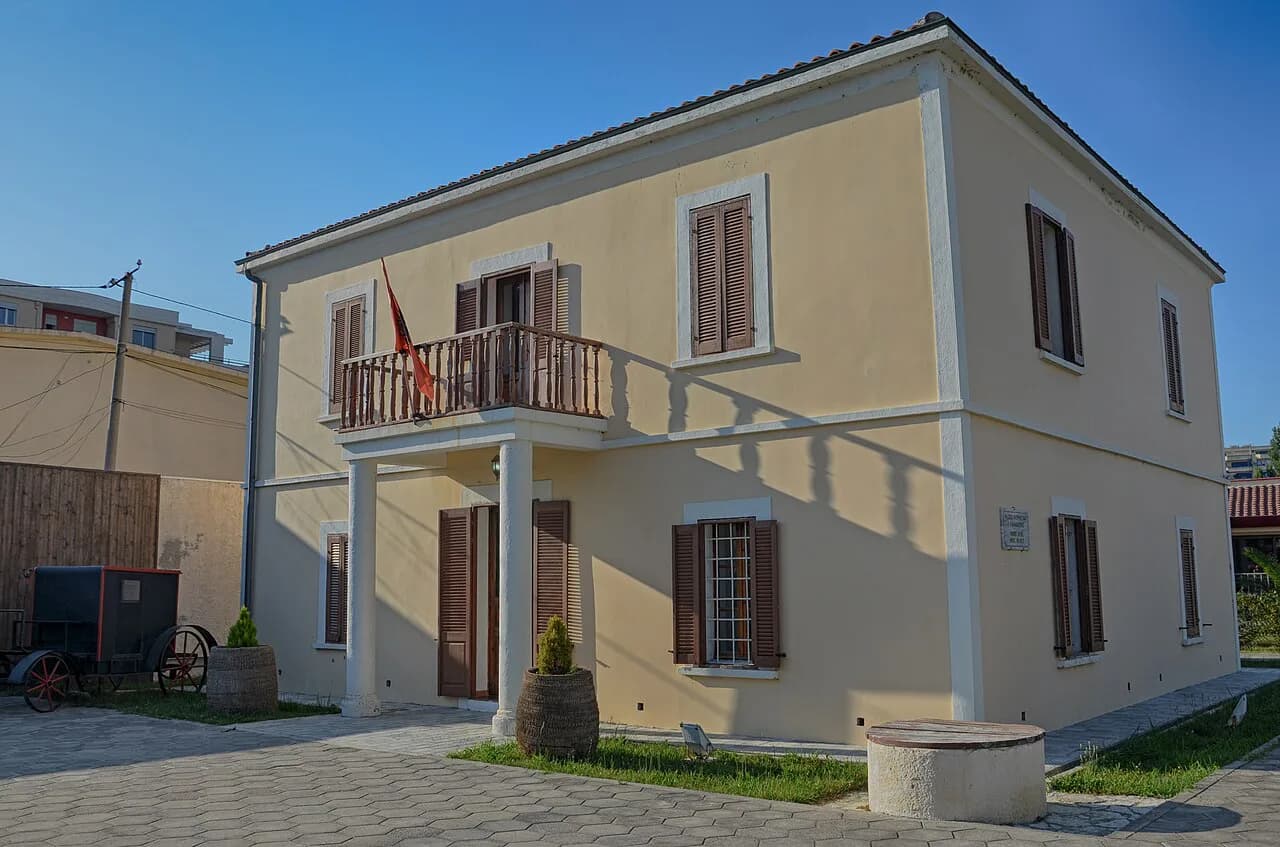
Albania declared independence on 28 November 1912 in this building, where the first Albanian government under Ismail Qemali was then established. The museum was founded in 1936 and is described as the first Albanian national museum, which is why the building itself carries as much weight as the display.
It was fully refurbished in 2002 for the 90th anniversary of the declaration, improving the infrastructure and the presentation of the collection. Further renovation is presented as a future aim, adding immersive technology and educational programmes, so expect the displays to evolve rather than stay fixed.
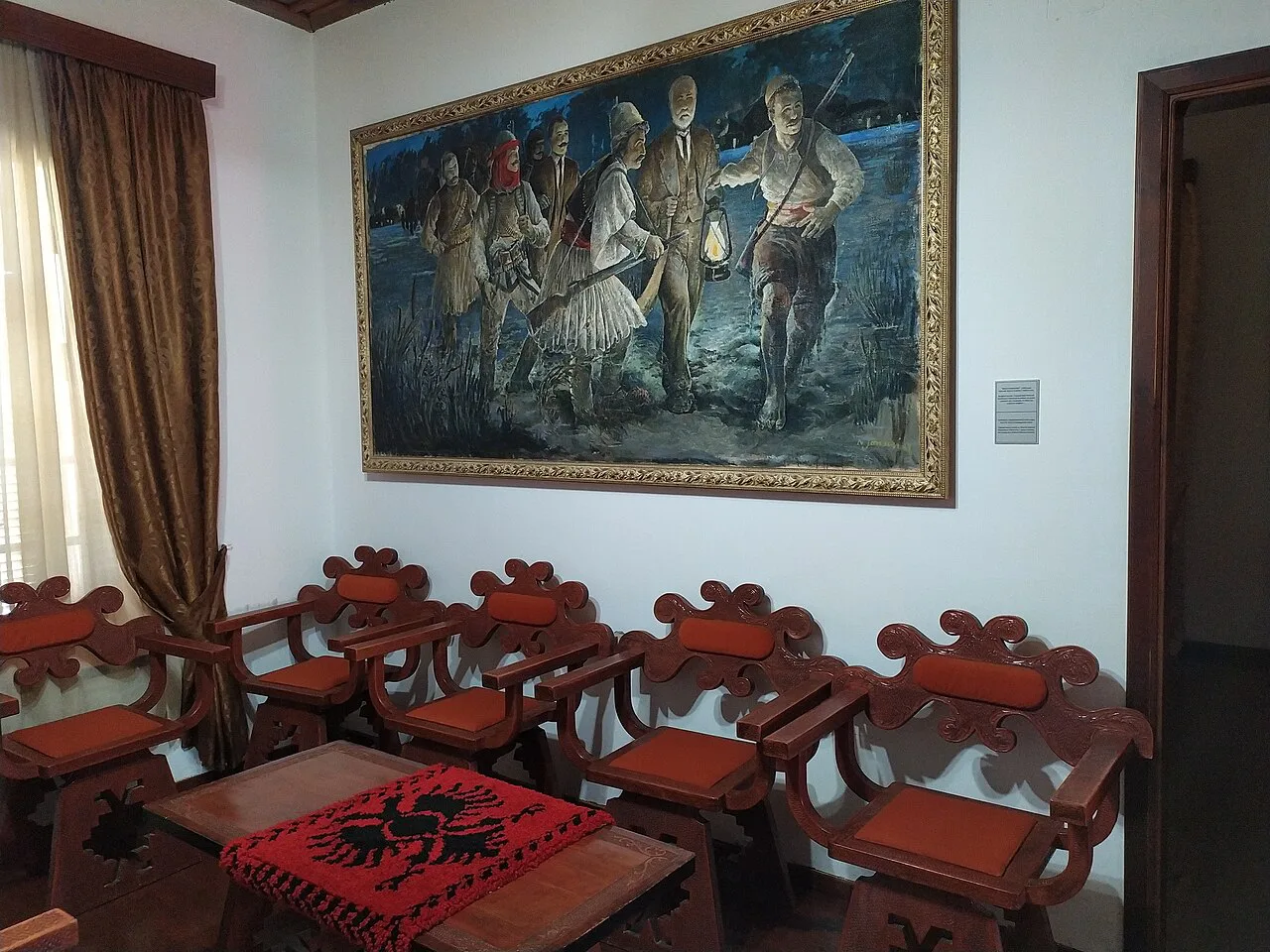
What you actually see inside the National Museum of Independence
The collection holds original objects from the National Renaissance and independence period: historical documents, flags, personal belongings of the patriots involved and works of art made in commemoration. A separate account of the rooms notes photographs and several antique pieces of furniture alongside the documents, so the experience is archival rather than object-heavy.
The flag was raised from the front balcony, a detail worth knowing before you arrive because it ties the building to the square outside. Read up on the 1912 declaration beforehand if you want the documents to mean more than names and dates.
Tickets and opening hours at the National Museum of Independence
In 2022 the museum was reported open Tuesday to Saturday from 9am to 5pm and Sunday from 10am to 2pm, with a summer Monday window of 8am to 11am and 5pm to 10pm. Outside summer it was reported closed on Mondays, and the ticket was 300 lek or 2.50 euros.
Those hours and that price come from a 2022 visit account rather than a current official schedule, so treat them as a guide rather than a booking. Confirm the day's opening at the door before you build a morning around it, especially if you are visiting on a Monday or outside July and August.
The museum sits between the port and the university, across from the KFC, which makes it an easy stop on the walk between the harbour and the central grid. Any Uji Ftohte city bus passes it, and the stop by Mon Cheri coffee shop puts you at the door.
Historical Museum: archaeology and medieval objects from Vlorë's district
The Historical Museum was established in 1962 in a city-centre building that had previously housed local government bodies, and it holds hundreds of original objects spanning antiquity to the present. Finds come from ancient sites across the district, including Oriku, Amantia, Ploçë Olympia near Mavrovo and Kionina near Kani, which makes it the place to see material that is otherwise scattered across the region.
The medieval rooms add original documents for the city, weapons and items associated with named warriors in the historical record. A separate account notes that the original church bell from Kaninë Castle is kept here and that photography inside is not allowed.
This is the broadest of the three collections and the one to skip if your interest is specifically 1912. If you are spending two or three days in the city, it gives context to the castle and monastery ruins you will see later.
Where the Historical Museum sits and how it pairs with Flag Square
The museum stands in the city centre near the Independence Monument, so it pairs naturally with the monument and the surrounding square. The 2022 account puts entry at 100 lek, with opening Monday to Saturday from 9am to 4pm and Sunday from 9am to 2pm.
Confirm those hours on the day, since they come from a 2022 visit account rather than a standing timetable. Build the morning the other way round from the independence museum if you want both: Flag Square and the monument first, then the archaeology, which needs the most reading time.
The Ethnographic Museum is across the street from the Historical Museum, in the square with Sophie Caffe, and the building is easy to miss. Once you have found one, the other is a two-minute walk.
Ethnographic Museum: rooms on fishing, smithing, pottery and weaving
The Ethnographic Museum arranges separate rooms around the way people lived and worked, including gathering rooms for men and women, rooms for the fisherman and the blacksmith, an area for ceramic pottery and a room for crafts and woolen rugs. It is the most domestic of the three and the most rewarding if you want to understand how a coastal Albanian town organised its households.
Photography is not permitted inside, so plan to look rather than to collect images. In 2022 it was reported open Tuesday to Friday from 8am to 4pm and Saturday and Sunday from 8am to 2pm, closed Mondays, with a 200 lek ticket.
Behind the museum is the colourful tourist street area, which makes a natural end point for a circuit of all three collections. Check the hours at the door, because the reported schedule is a 2022 record and Sunday closing time is early.
Practical layout: how the three museums sit relative to each other in the centre
The independence museum is by the port and university, the Historical Museum is near the Independence Monument and the Ethnographic Museum faces it across a small square. All three fall inside the central grid, so you can walk between them in minutes rather than arrange transport; they also sit within easy reach of Vlorë Old Town.
A sensible order is independence first, while you are fresh, then the archaeology, then the ethnographic rooms as a lighter finish. The Muradie Mosque, an Ottoman building from 1537 attributed to Mimar Sinan, is a short walk away and rounds out a half-day on foot.
Allow four hours for all three, including walking and a coffee stop, and keep the museums for a cloudy day rather than a beach day. In July and August the air-conditioned rooms are a practical refuge at midday.
Kaninë Castle and Zvërnec Monastery: the historic sites outside the museum circuit
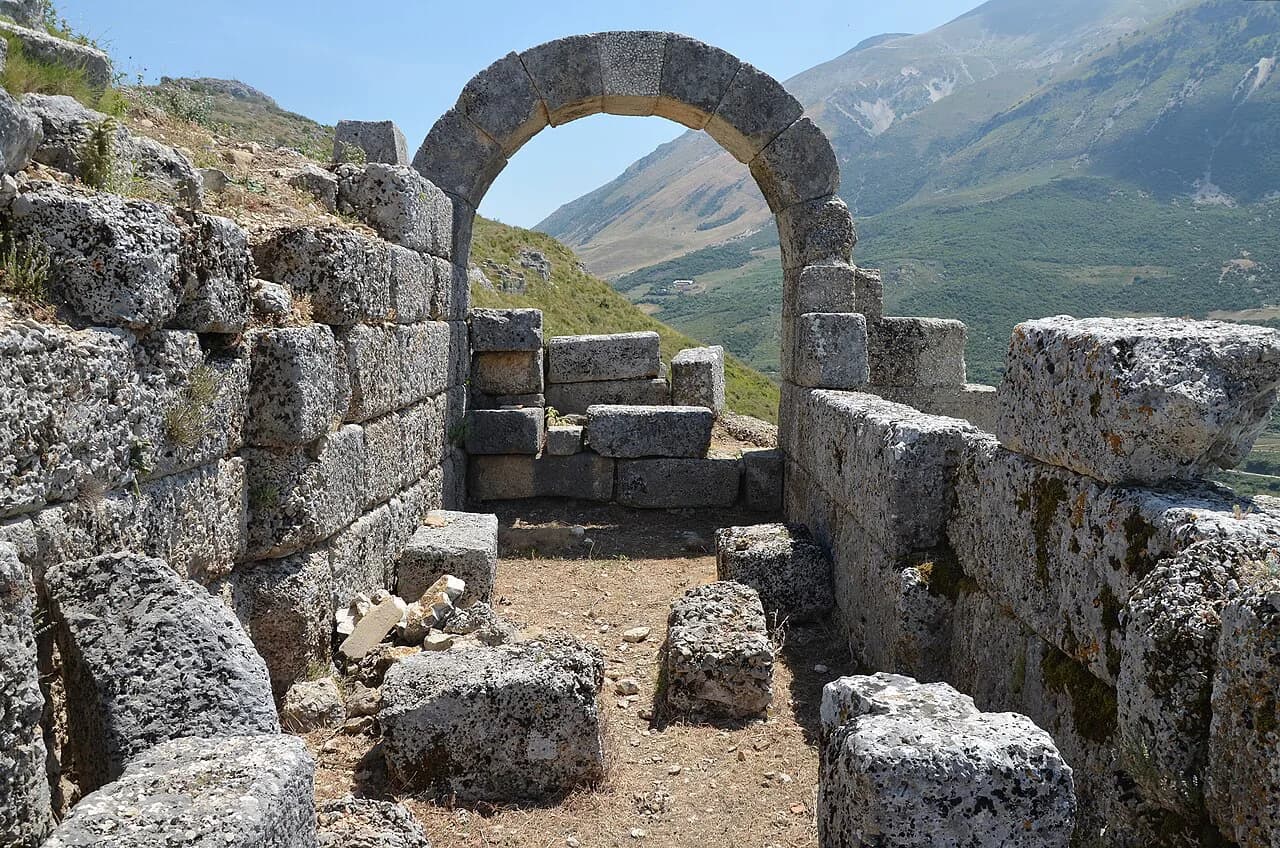
Kaninë Castle sits in the hills above town and appears in the official listings alongside the Muradie Mosque and Zvërnec Monastery as the area's heritage sites. The bell from the castle church is now in the Historical Museum, which gives the ruins a link back to the collection you have just seen.
Zvërnec Monastery sits on its island in the lagoon north of the city, and both sites need a car, taxi or local bus rather than a walk from the centre. Budget half a day for the pair and go earlier rather than later.
The Albanian Jewish Museum in Vlorë: a project in progress, not yet a visit
The Albanian Jewish Museum is a project of the Albanian-American Development Foundation in Vlorë, framed as part of the revitalisation of the city's historic centre. The foundation lists it as ongoing with committed funding, and describes it as the first museum of its kind in Albania and the region.
Do not plan a visit around it. The design competition and approvals are recorded as project milestones, and there are no visitor opening hours or tickets to work from, so treat any mention of it as future context rather than a stop on your route.
Which Vlorë museum to put first on your list
Start with the National Museum of Independence if you have one morning, the Historical Museum if you want the district's archaeology, and the Ethnographic Museum if household life interests you more than politics. Walk between all three and treat the hours and ticket figures here as a 2022 baseline to confirm at the door.
Pair the museums with Flag Square and the Muradie Mosque, then use a separate day for Kaninë Castle and Zvërnec Monastery, which need wheels. Our Things to Do in Vlorë guide covers the rest of the city, and Vlorë Old Town is a short walk from the museum circuit.
Explore more Vlore guides
Sources
Notes for your Albania trip
Optional updates to our Albania town guides.
You might also like
Continue reading
More guides you'll find useful