Përmet Food: What to Eat and How to Order It
What to eat in Përmet, from gliko spoon sweet and byrek to riverside grills and raki, with how the local dishes are made and how to order them.
On this page
Përmet food means gliko first: a whole-fruit spoon sweet served in a small measure as a gesture of hospitality, not as a dessert at the end of a meal. Around it sit fruit preserves, wine and raki, plus the byrek, goat meat and kebabs sold at the riverside stands below Katiu Bridge. This guide covers what each local speciality is, how gliko is made, how to order it by name, and which questions to ask before you buy a jar.
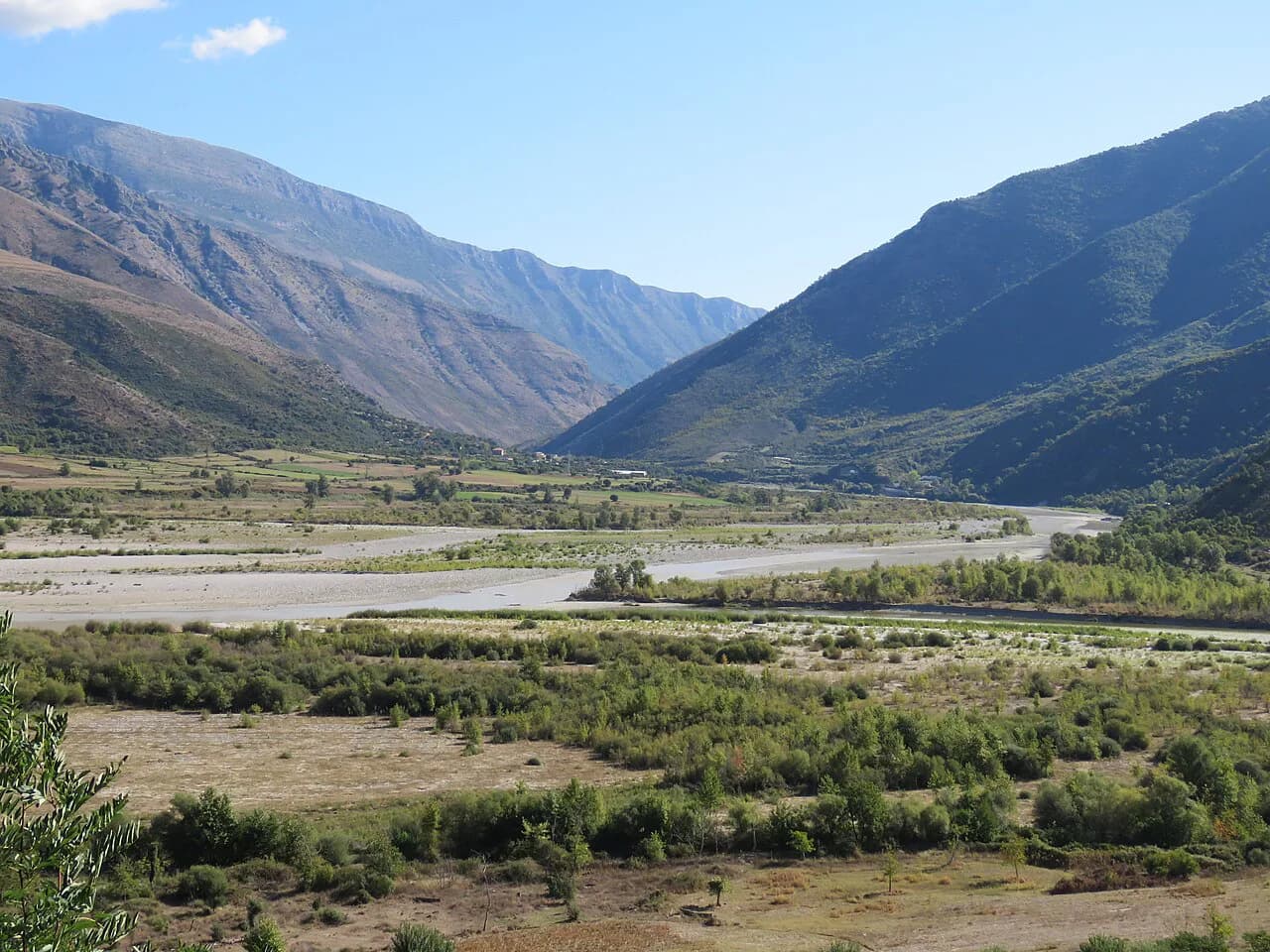
The town sits in the Vjosë River Valley, and its eating is tied to that landscape: Slow Food documents an Almeg farm in the Përmet district that employs more than 20 local women in artisan gliko production. Use the Përmet: a Practical Guide to Albania's Vjosa Valley Town for how the town is laid out and how long to give it, and keep this page for the table.
What Përmet food is known for
Four things define eating here: gliko, fruit preserves more generally, wine, and raki, the Balkan fruit brandy. Gliko carries a Slow Food Presidium for the product itself, a designation for the food rather than for the town, its restaurants or its cuisine as a whole. Preserves and spoon sweets turn up as gifts and at celebrations, so expect to meet them outside restaurant menus as well.
Treat the savoury side as everyday Albanian cooking rather than a separate local cuisine: grilled meat, pastry and valley produce. The strongest single eating stop for a visitor is not a restaurant but the cluster of vendors on the banks of the Lengarica, timed with a visit to the Benja thermal baths.
Gliko: what it is and how it is served
Gliko is a compote of whole fruit, close to the slatko found across the Slavic-speaking Balkans, and it is served by the spoon in a small measure. That portion size is the point: it is a welcome, offered to guests, used at celebrations and given as a gift, not a course you finish. If someone places a small dish of it beside your coffee, take a spoonful and pass it on.
Gliko is not a restaurant dessert you order off a menu, so ask for it by name when you want it and accept it when it is offered. It keeps well and travels, which makes a jar a sensible edible souvenir from the Vjosë valley.
How Përmet gliko is made
Slow Food describes the method in specific steps: the fruit soaks for one hour and twenty minutes in cold water and lime, is mixed with sugar, then boils in a copper pot over an open flame for one hour. Lemon goes in to hold the colour, and the gliko is cooled and jarred. The copper pot and the open flame are part of the documented process, not kitchen decoration.
The national tourism agency adds that it is made with minimal sugar and no preservatives. Read that as a description of how it is cooked, not a health claim. What the sources do not give is an origin date or century for the tradition, so be sceptical of any stallholder or menu that sells you an ancient pedigree.
Which fruits go into gliko
The two official lists differ, and it is more useful to know both than to merge them. The Slow Food Presidium lists walnut husk, white cherry, eggplant, wild fig, plum and apricot. The national tourism agency lists cherries, pears, grapes or plums.
In practice that means the same jar can taste of walnut, fig or aubergine depending on who made it and which fruit was in season, so ask what is inside rather than assuming. Walnut husk and aubergine are the two that surprise most first-time buyers. If you only want one jar, plum and cherry are the safest overlap between the two lists.
Raki and wine in Përmet
Përmet has a long tradition of making wine and raki, and both appear at the riverside stands alongside marmalade and honey-sweetened raki. Raki is strong fruit brandy, usually taken in small glasses and often alongside food rather than before it. Ask whether what you are offered is plain or sweetened with honey, because the difference is considerable.
For wine, the sensible approach in town is to order it by the glass with a meal and judge from there, since bottled lists change with what local producers have ready. There is no reliable published drinks list to plan around in advance.
Byrek, goat meat and kebabs at the Lengarica riverside stands
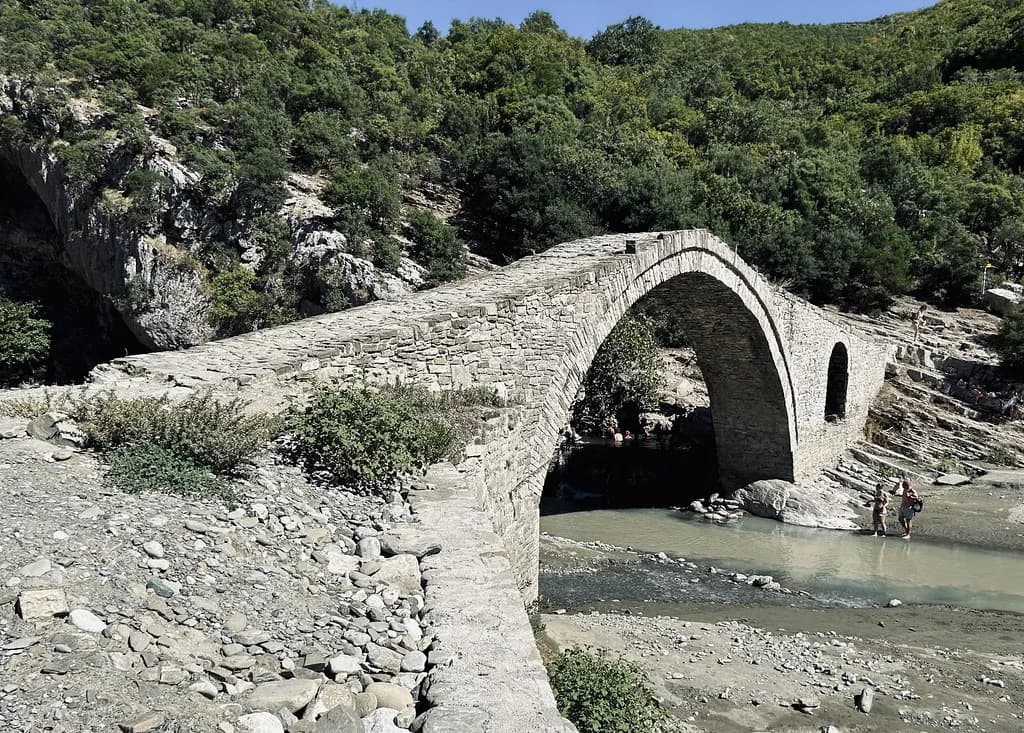
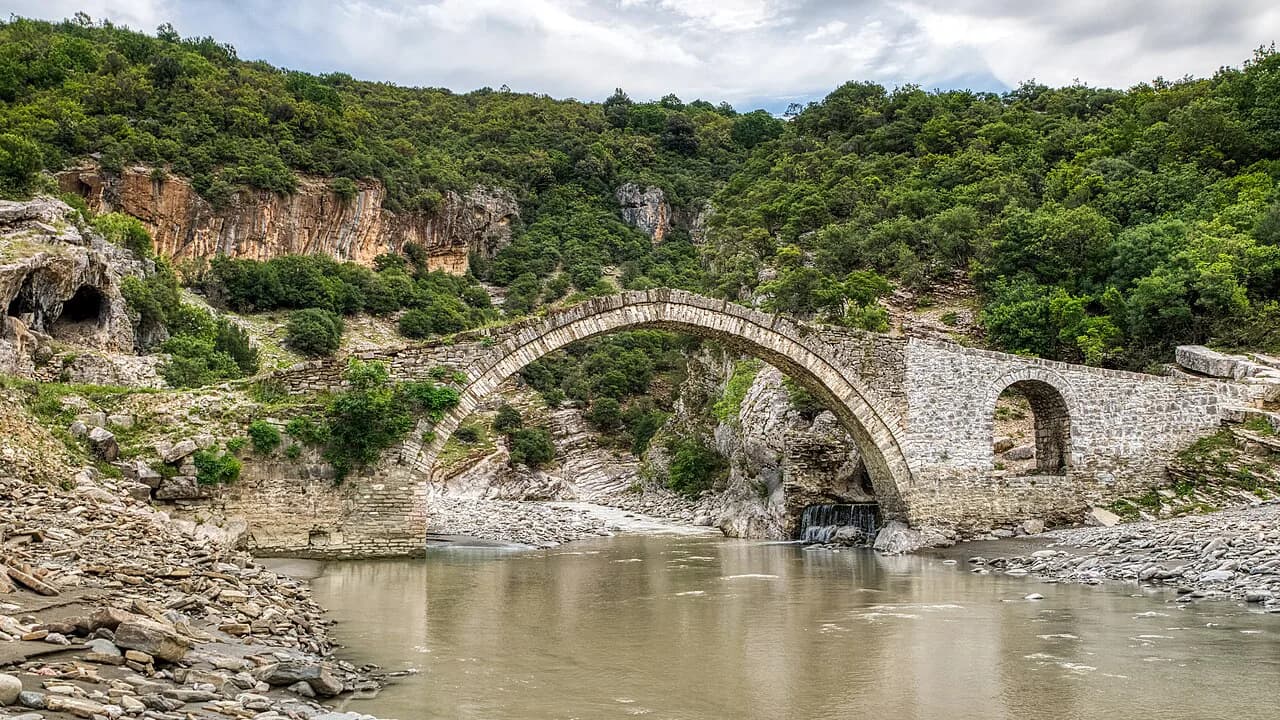
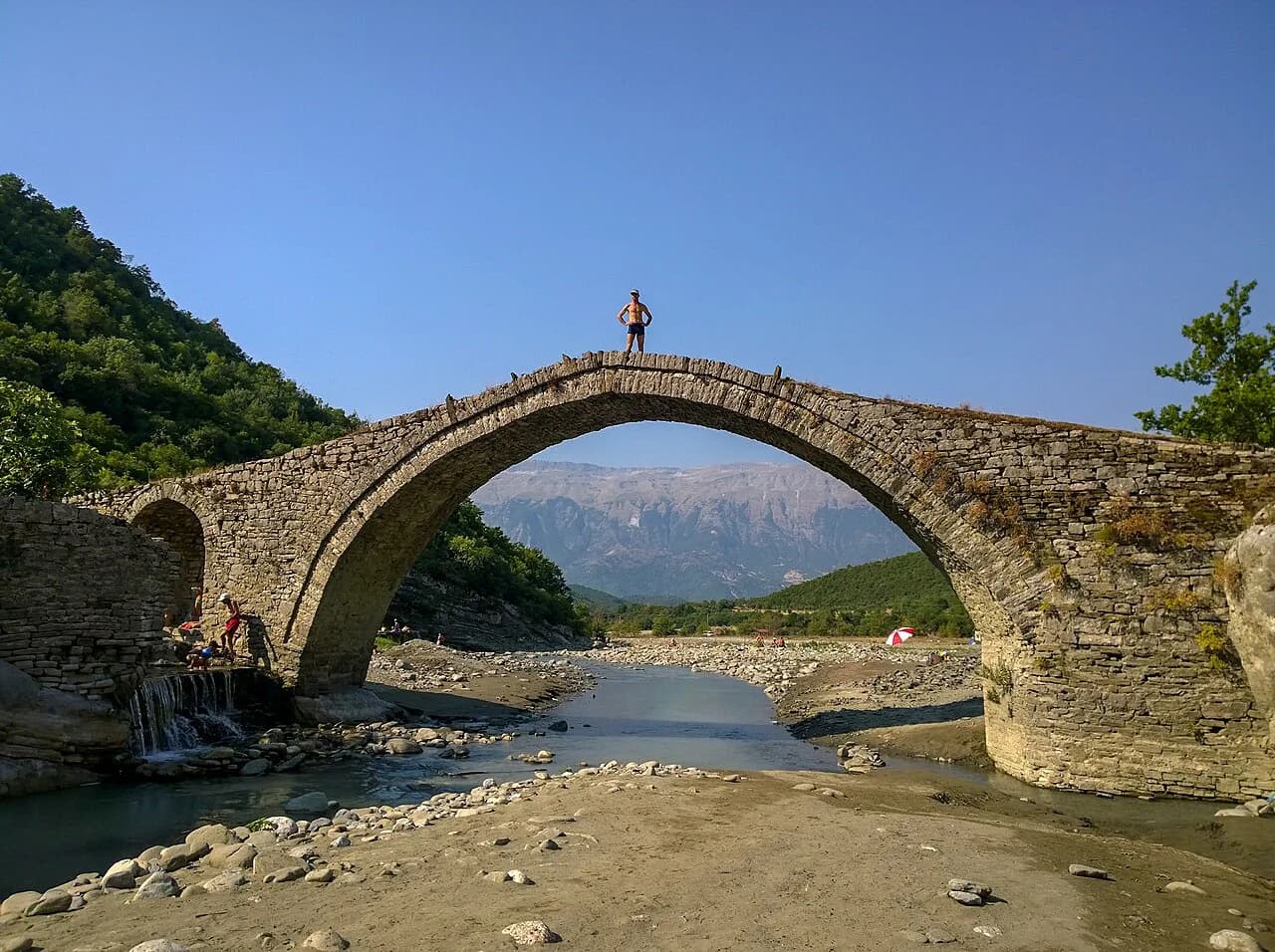
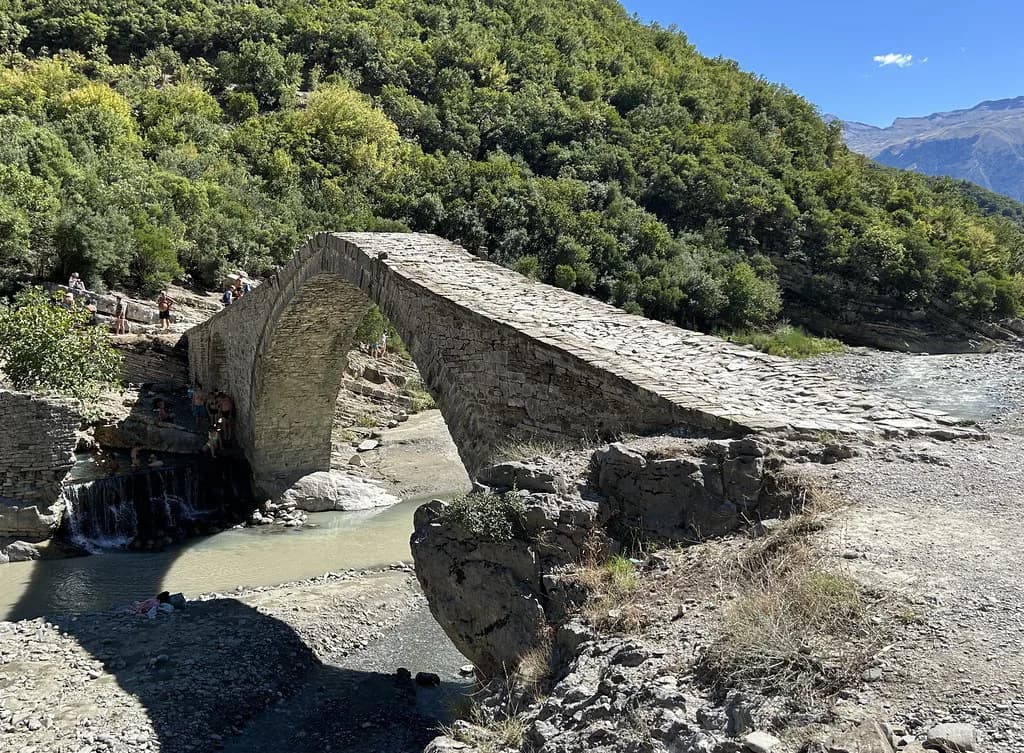
On the banks of the Lengarica, below Katiu Bridge and beside the Benja thermal baths, vendors sell Balkan street food: byrek pastry, goat meat and kebabs. Byrek is the cheap, quick option and good before or after the water; the grilled meat takes longer and suits a proper sit-down. Bring cash in small notes, because these are informal stands rather than card-taking businesses.
The baths are the reason most people are there, and the area was packed on the day one visitor reported, in summer. Plan to eat before the main midday rush or later in the afternoon, and note that the stone around the bridge and the paths down to the water are slippery when wet. Read the Benja Thermal Baths, Përmet page for the layout before you combine the two.
If you want the walk as well as the food, the Langarica canyon is the ground the whole stop sits in, with the river running through it. Walking shoes matter more than a picnic blanket here.
Gliko sold at the riverside
Vendors jar their own gliko and sell it by type, one fruit at a time rather than in mixed assortments: watermelon, walnut, fig and orange have all appeared on the same stand. In 2020 one vendor quoted 250 lek a jar, reported at the time as about $2.41. Treat that as a historical figure only, and confirm the current price at the stand before you buy a batch.
The trade-off with riverside jars is straightforward. You get a direct look at the maker and can taste before committing, but you carry glass around for the rest of the day and the stock depends on what was recently made. Buying in town is easier at the end of a trip, though you lose the conversation.
Sitting down to eat in Përmet
Përmet's restaurant tables lean on Albanian traditional cooking and local produce, and at least one kitchen describes its ingredients as sourced at short distance. That is the style to expect: grilled meats, vegetable dishes, preserves and bread rather than a long international menu. Villa Permet gives Rruga 13 Shtatori as its address, with a contact number, which is useful if you want to confirm it is open before walking over.
Rather than list venues here, use the best restaurants in Permet guide for the current shortlist and then check the day's opening directly. Menus and hours shift with the season and with what the kitchen has in, so a phone call beats a plan made weeks earlier.
How to order gliko, byrek and a sit-down meal
Ask for gliko by name, and expect a spoonful with coffee or as a small plate rather than a full dessert portion. With byrek, order by the piece and eat it warm; with grilled meat, ask for the portion size, because a kilo price is common and a single order can feed two. Bread and salad usually arrive separately.
For a sit-down meal, say how many are eating and let the kitchen guide the number of dishes; Albanian tables are usually shared rather than plated in courses. If you want wine or raki with the food, ask what is local that day rather than reaching for a list.
Timing follows Albanian habits more than British ones, with the main evening meal eaten later than at home. If you want a quiet table, eat earlier than the local crowd, and if you want the atmosphere, eat when the town does.
Where to buy gliko and preserves to take home
Jars travel well in hand luggage if you wrap them, and they are lighter than bottles of raki. Buy gliko and preserves at the end of your stay rather than the start, so the glass is not in your day bag through the Lengarica gorge and up to the bridge.
If you are continuing south, Tepelenë is the next town down the valley and a natural place to restock before the road onward. Check what your airline allows for liquids before you commit to a haul of jars.
What to order first in Përmet
Start with gliko, taken as it is meant to be taken: a spoonful offered with coffee, or a jar from a riverside stand to carry home. Then eat byrek and grilled meat by the Lengarica on the same day you visit the baths, since the two stops sit within the same gorge. Your Përmet food day is gliko and byrek at the river, then a traditional Albanian dinner in town.
Ask the price at the stand before buying several jars, and ring ahead for a restaurant table in the evening. Those two habits cover the only details that change often enough to catch you out.
Sources
Notes for your Albania trip
Optional updates to our Albania town guides.
You might also like
Continue reading
More guides you'll find useful