Tepelenë, Albania: What to See, How Long to Stay and How to Get There
Plan a stop in Tepelenë, where the Vjosa and Drino meet: Ali Pasha's castle, Lord Byron Square, the Cold Water springs and Peshtura Waterfall nearby.
On this page
Tepelenë earns a half-day stop, and a full day only if you plan to drive up into the Kurvelesh mountains for the waterfalls. The town sits where the Vjosa and Drino rivers meet, a natural junction between southern and central Albania, so it fits neatly into a journey rather than demanding its own trip. This guide separates what you can walk to in the centre from what needs a car and a mountain road.
Tepelenë is closely associated with Ali Pasha Tepelena, the Ottoman-era figure of the 18th and 19th centuries who made the town a centre of political and military influence in the Balkans. That history is what gives the castle and the town centre their shape. Visitors arriving from Gjirokastër or heading north towards Përmet will find the town is compact enough to cross on foot.
Where Tepelenë is and why it earns a stop
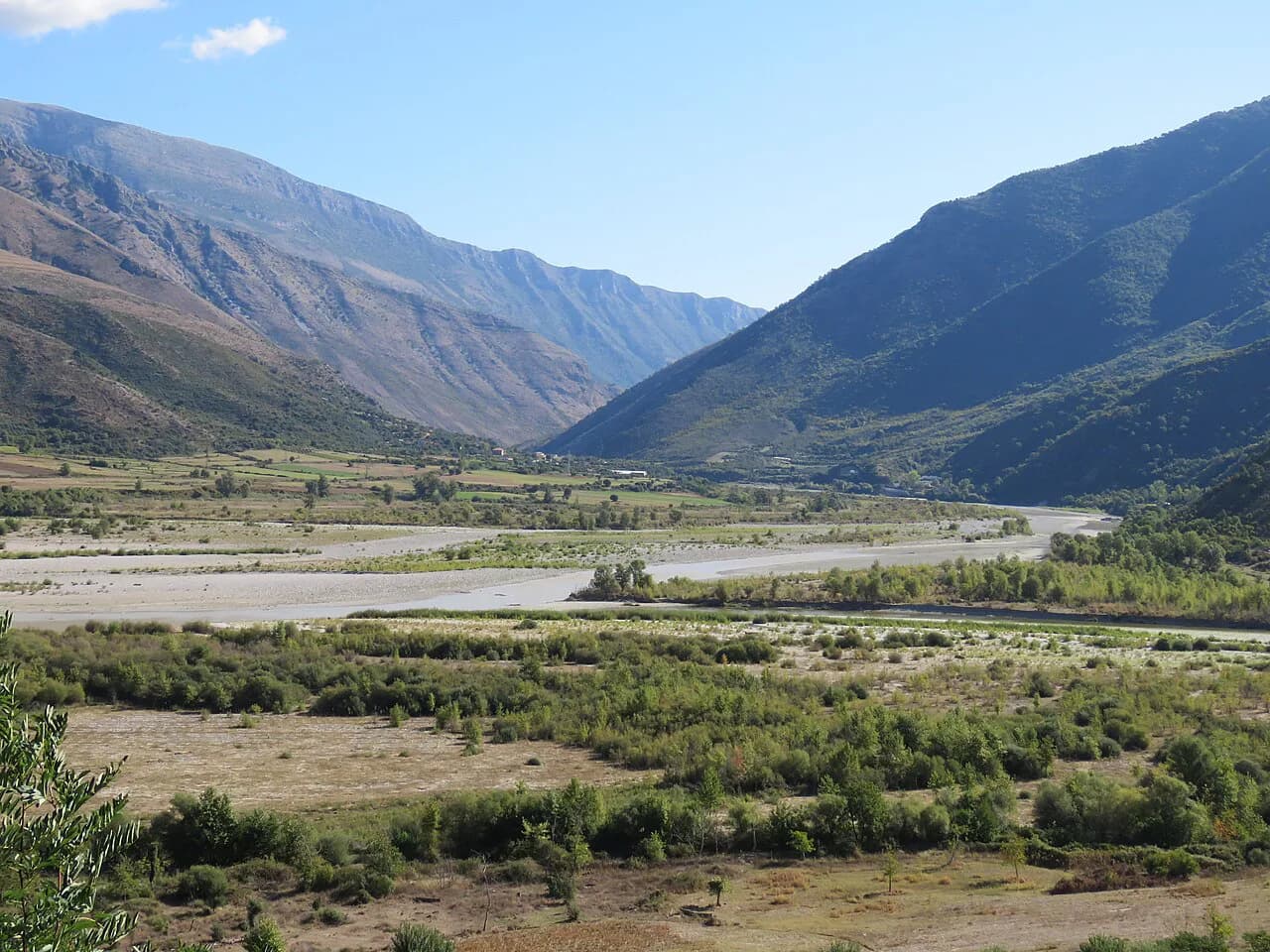
The town lies in southern Albania at the meeting point of the Vjosa and Drino rivers, a position that has made it strategically important since ancient times. The Vjosa itself is described as one of Europe's last wild rivers, and the riverside promenade in Tepelenë runs along it. That junction of water and road is the practical reason to break your journey here.
Tepelenë sits within easy reach of Gjirokastër to the south and Përmet to the north-east, which makes it a sensible lunch stop rather than a destination in its own right. If you are already exploring the wider Vjosa valley, the town slots naturally into that itinerary rather than competing with it. Plan the stop around what you want to see in town first, then decide whether the mountains justify the extra hours.
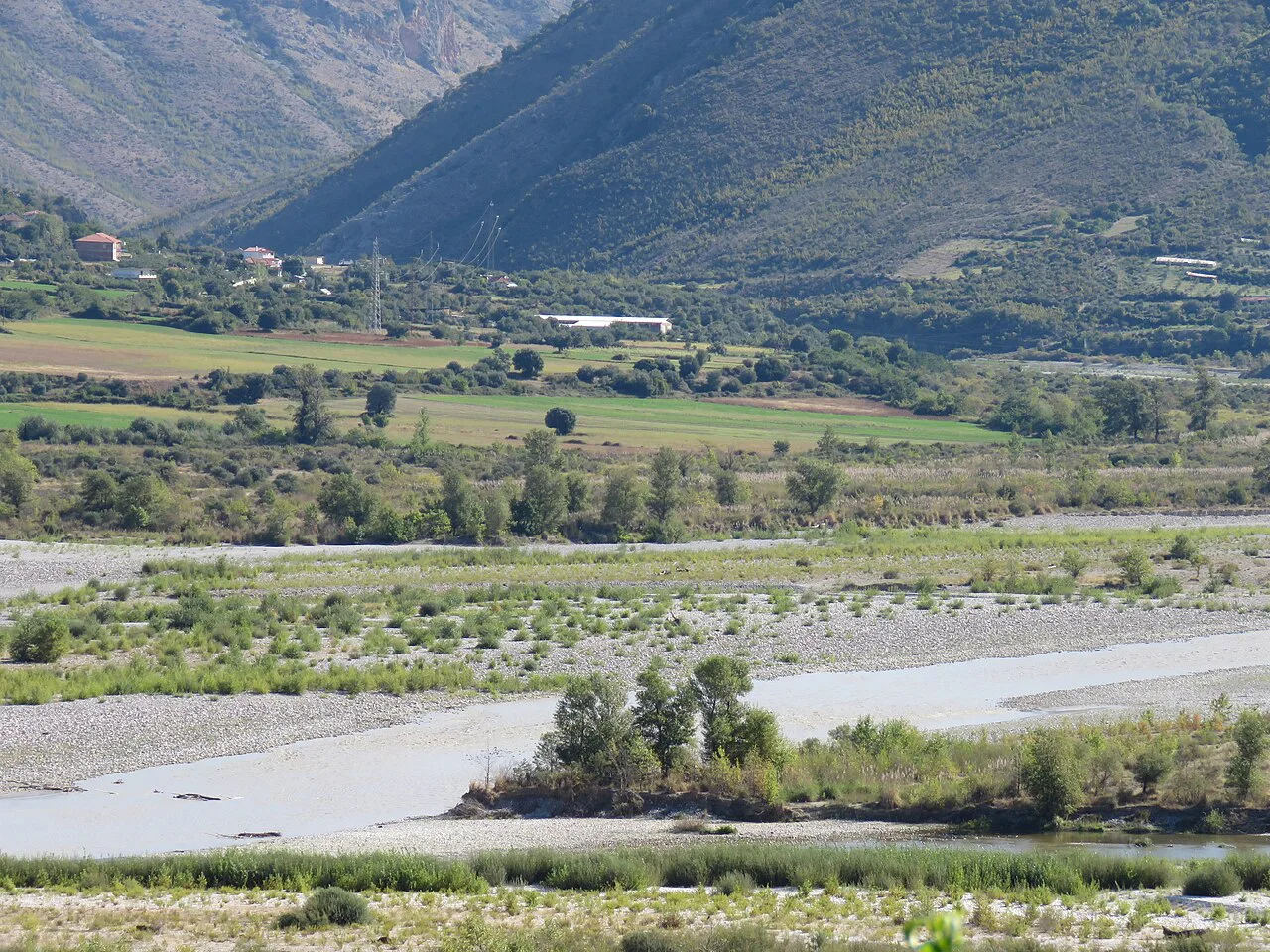
Tepelenë Castle and what survives from the Ali Pasha period
Tepelenë Castle is one of the most important historical fortifications in the area and preserves traces of the Ali Pasha period. It is the town's principal sight and the reason many travellers stop at all. Allow time to walk the walls and look down over the river junction rather than treating it as a quick photo stop.
The castle is the anchor of the town's heritage circuit alongside the bust of Ali Pasha Tepelena, a monument in the centre. If you are working out how the town fits a wider southern Albania route, the castle and square together make an easy walking loop. Note that the fortress is a ruin rather than a furnished museum, so read up before you go if you want the Ali Pasha story to make sense.
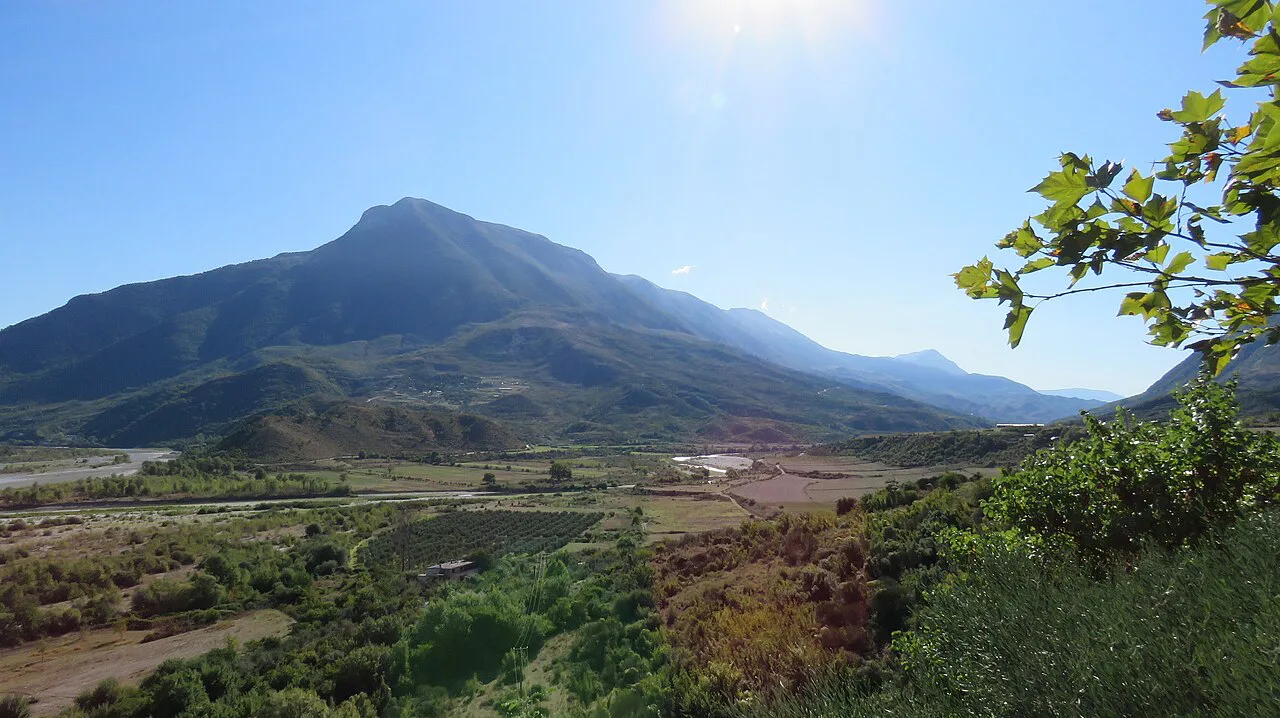
Lord Byron Square, the Ali Pasha bust and the Vjosa promenade
Lord Byron Square sits in the historic centre of Tepelenë and gives the town a compact focal point for a short wander. The Ali Pasha bust stands as a historical monument nearby, and together they make the central walk worthwhile even on a brief stop. From here it is a short step to the promenade along the Vjosa.
The riverside promenade is the place to stretch your legs after a long drive, with the Vjosa running alongside. It is a public walk rather than an attraction with gates, so it works at any hour you happen to arrive. Pair it with the square and the castle for a loop that takes a morning rather than a day.
The Tepelena Historical Museum at the entrance to the city
The Historical Museum of Tepelena stands at the entrance to the city and holds objects connected with the town's past. It is the practical place to build context before you walk up to the castle, particularly if the Ali Pasha period is unfamiliar. Treat it as a short indoor stop that earns its place on a hot or wet afternoon.
Do not build your day around a fixed museum slot: confirm the current opening arrangement locally or through the tourist information service before you set out. If the museum is closed when you arrive, the square, the bust and the castle walls still fill a half-day comfortably. The museum is a bonus rather than the reason to come.
The Cold Water springs south of town: a roadside rest stop with restaurants
Several natural springs sit next to the highway a few kilometres south of Tepelenë, and the area works as a cool rest stop for travellers on the road. Small waterfalls run through the vegetation, and there are restaurants serving traditional cuisine alongside fresh water from the springs. A bottling plant for Tepelena Water operates nearby.
This is a highway pause, not a hiking destination: pull in, eat, fill your bottle and carry on. Because it sits on the main road rather than in the town centre, it suits drivers and coach passengers rather than anyone relying on a walk from their accommodation. Budget it as a meal stop and you will not be disappointed by its scale.
Peshtura Waterfall and Nivica Canyons in the Kurvelesh mountains
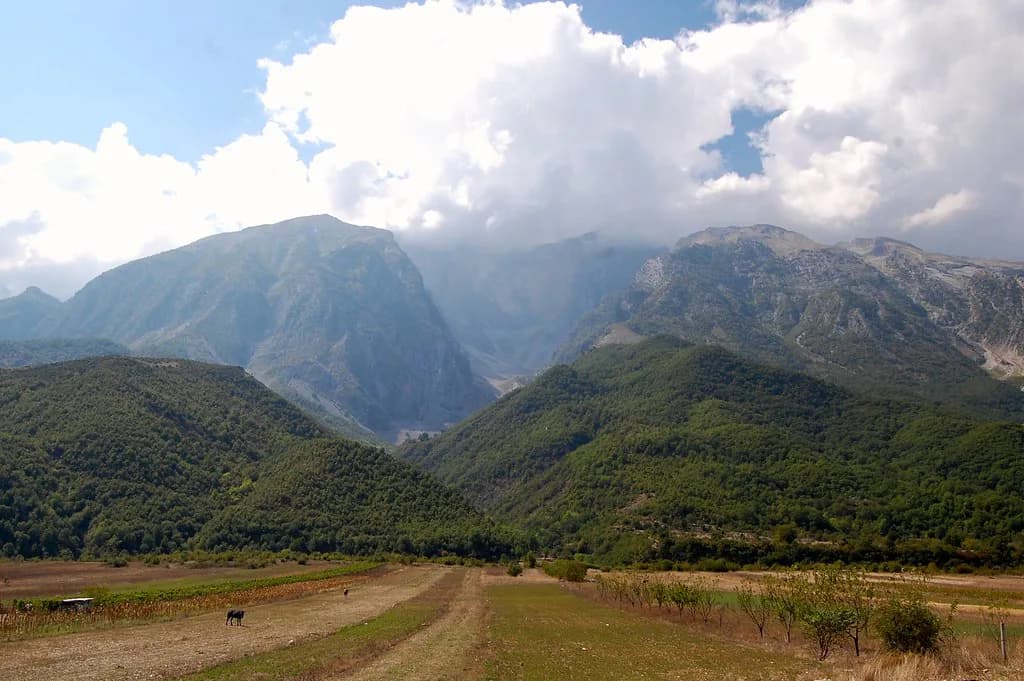
Above the village of Progonat, the Peshtura Waterfall and the Nivica Canyons are among the natural treasures of the Kurvelesh mountain area. The canyons lie in the mountainous Kurvelesh region, about 20 km from Tepelenë as the tourism board describes them. This is the part of a Tepelenë visit that eats time, because it involves a mountain road rather than a town stroll.
If you are combining Tepelenë with the wider valley, the drive up to Progonat pairs well with a separate day around the Vjosa's other sights. Consider the Benja Thermal Baths and the Langarica canyon as alternatives if the weather closes in on the mountains. Mountain roads here demand daylight and a car you trust, so start early rather than squeezing the drive after lunch.
Lera Towers at Lekdush and the Bençë aqueduct
The Lera Towers at Lekdush are two distinctive rock formations listed among Tepelenë's cultural and natural attractions. They sit outside the town and reward travellers who have a car and time to spare beyond the castle. The Ali aqueduct at Bënçë is the other heritage detour worth knowing about, an old water-supply system rather than a walkable ruin in the centre.
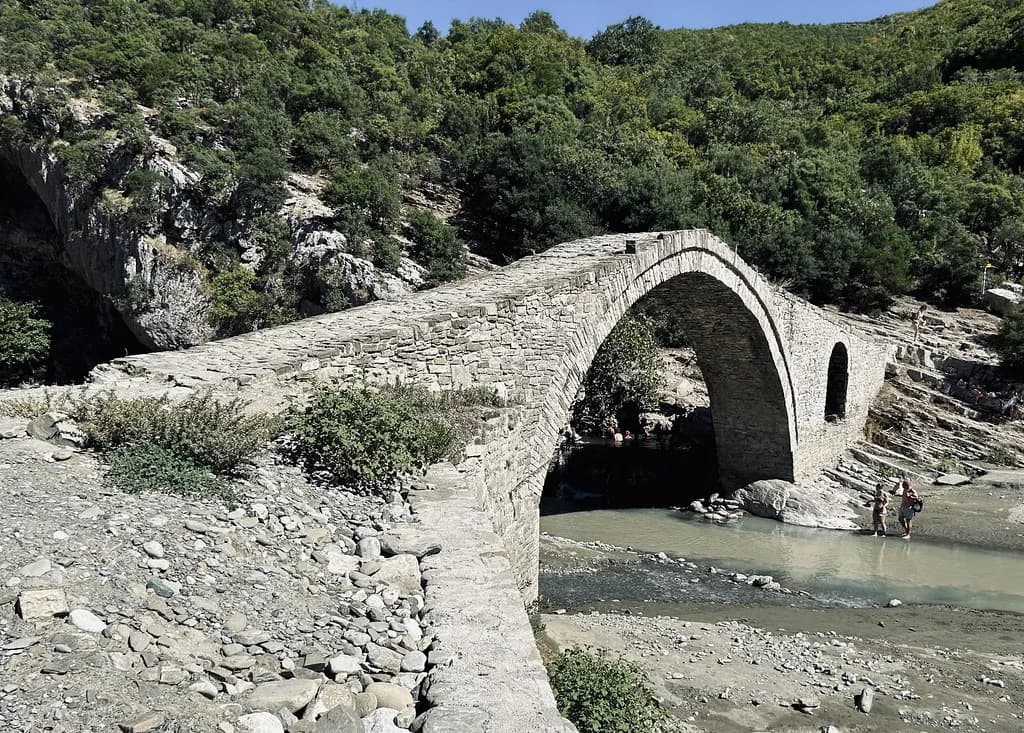
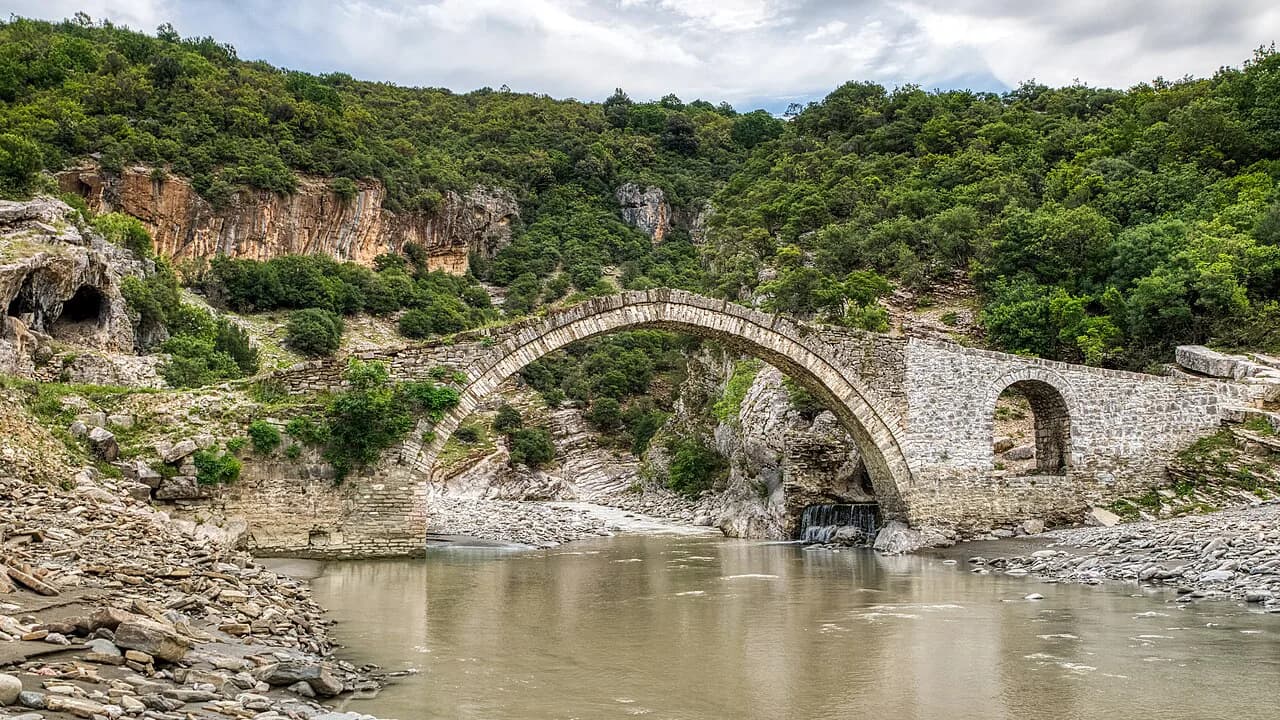
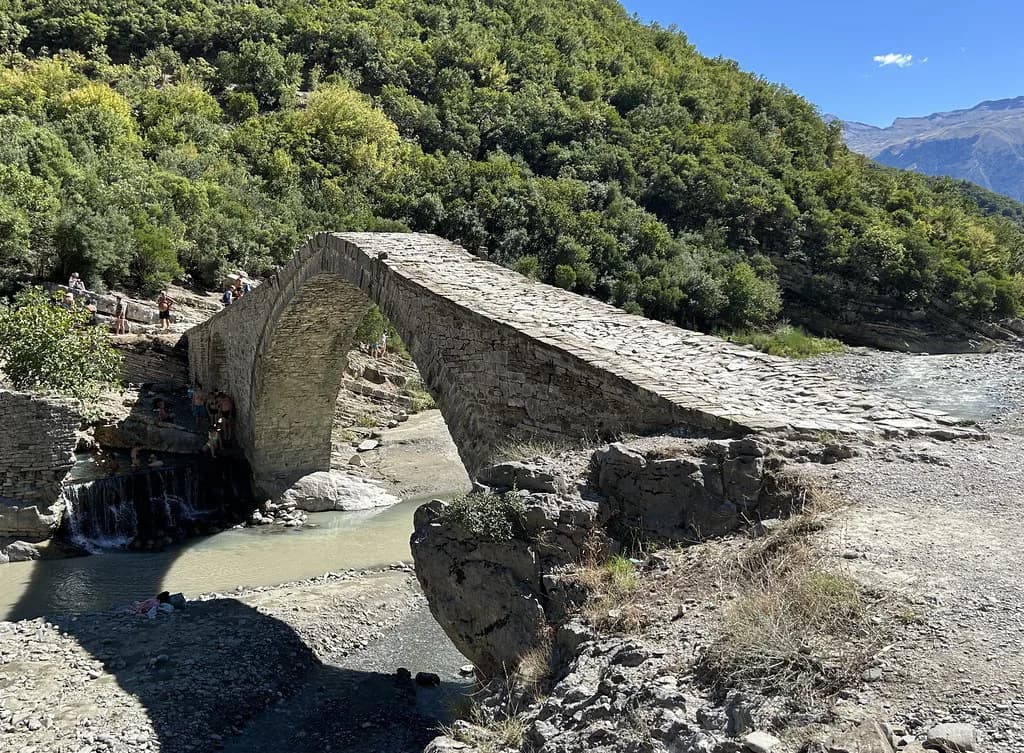
Both are the kind of site you visit because you are already driving that stretch of road, not because they justify a journey on their own. If you are heading towards Përmet, the Kadiut Bridge at Bënjë makes a natural companion stop to the Bënçë aqueduct on the same day. Group these rural stops together so you are not doubling back on mountain roads.
How long Tepelenë needs: a half-day or a full day
Half a day covers the town: the castle, Lord Byron Square, the Ali Pasha bust and the Vjosa promenade fit into a morning or an afternoon without rushing. Add the Cold Water springs south of town as a meal stop en route rather than a separate excursion. That is the sensible plan if Tepelenë is a break in a longer drive.
A full day makes sense if you want the Peshtura Waterfall and the Nivica Canyons, because the mountain road up to Progonat changes the shape of the day entirely. The town's sights on their own fill half a day, so the mountains are what turn a short break into a fuller outing. Decide based on whether you want a walk or a drive.
Getting there and onward: the Vjosa and Drino junction
Tepelenë's position where the Vjosa and Drino meet makes it a natural connecting node between southern and central Albania, and most visitors arrive by road. The town works best as a stop on a route between Gjirokastër and Përmet rather than as a standalone base. Drivers have the most flexibility, because the town's sights and the mountain detours are spread across a wide area.
For public transport, the local tourist information service can confirm current services. Do not plan a mountain excursion around a bus: the waterfall and canyon road is a car journey. Check the arrangements for the day you travel.
Should you stop in Tepelenë or push on?
Stop if you are driving between Gjirokastër and Përmet and want a castle, a riverside walk and a roadside meal at the Cold Water springs in one easy break. Push on if your time is tight and waterfalls are not your priority, because the town alone will not fill a day.
Give it a full day only when you are ready for the mountain road above Progonat and have daylight to spare. Otherwise, half a day in the centre is the right ratio of effort to reward.
Explore more Permet guides
Frequently Asked Questions
What is Tepelena known for?
Tepelenë is known as the birthplace of Ali Pasha Tepelena and for its castle, which preserves traces of the Ali Pasha period. The town's setting where the Vjosa and Drino rivers meet, plus nearby natural sights such as the Peshtura Waterfall, round out its appeal.
Sources
Notes for your Albania trip
Optional updates to our Albania town guides.
You might also like
Continue reading
More guides you'll find useful