Pogradec Castle: What to See at the Ruins Above Lake Ohrid
Pogradec Castle is a ruined hilltop fort at the town entrance, 205 metres above Lake Ohrid. Here is what survives and what to pair with the climb.
On this page
Pogradec Castle is a modest ruined fort at the entrance to Pogradec, its walls standing 205 metres (673 ft) above Lake Ohrid. Give it an hour on the hill: the surviving walls are fragmentary, and the panorama over the lake and town is the real reason to climb.
The site is worth a detour for travellers already spending time in Pogradec, not a destination on its own. This guide covers what survives, how the fort's phases fit together, the walk up from the centre, and the lakeside sights that pair naturally with it.
A ruined fortified settlement at the entrance to town
Kalaja e Pogradecit sits at the entrance to Pogradec in eastern Albania, at its highest point 205 metres (673 ft) above Lake Ohrid. That figure measures height above the water, not a walking distance or climb time, so treat it as a gauge of the view rather than an effort estimate.
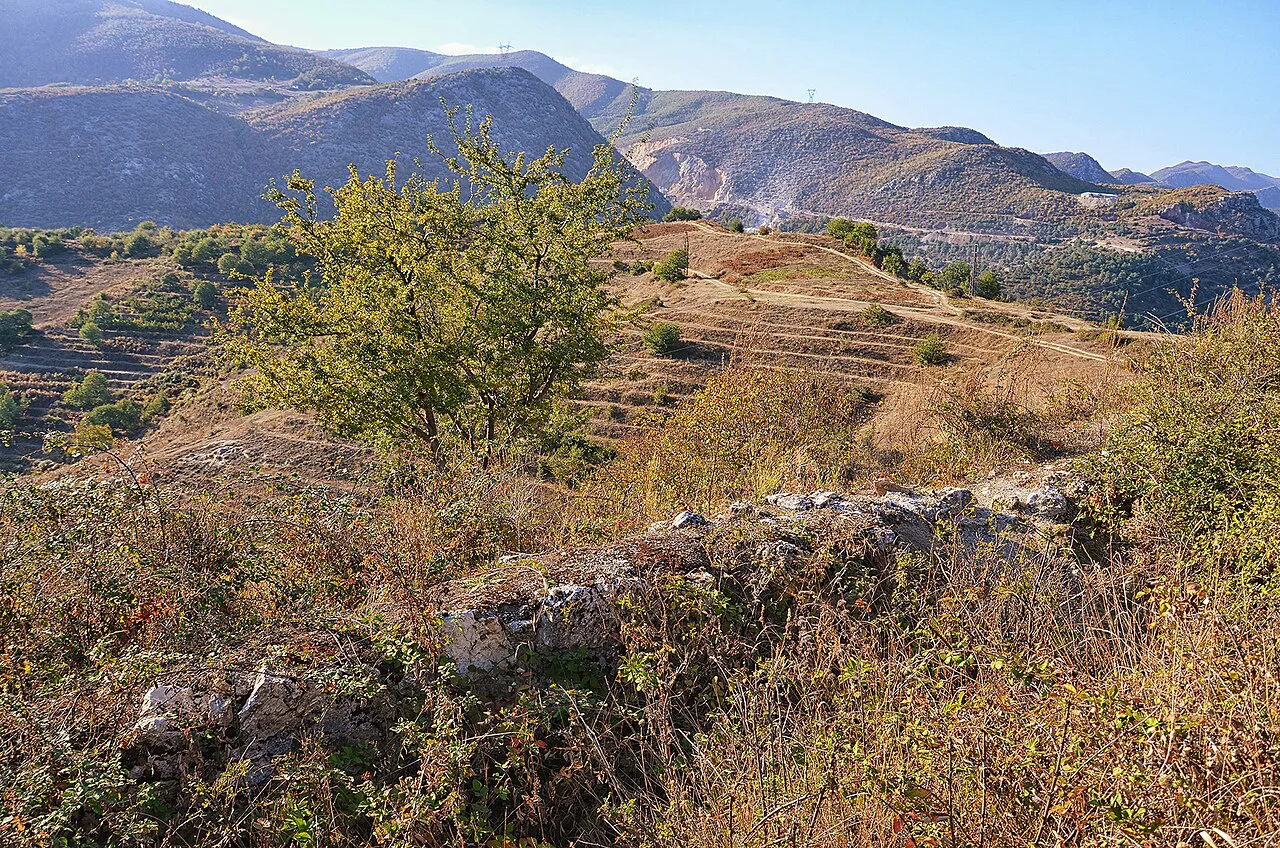
This is not a castle in the sense of towers and courtyards to tour room by room. It began as a fortified settlement, and what you walk around today is the footprint of that settlement: ruined wall lines on a hill above the lake. The ruins of the walls are exactly what the site delivers, so set expectations accordingly.
What survives on the hill
The visit is short and outdoor: ruined defensive walls, open ground and the outlook. Because the site is a ruin rather than a reconstructed monument, there is little interpretation on the spot, so read up before you climb to get more out of the stones you are looking at.
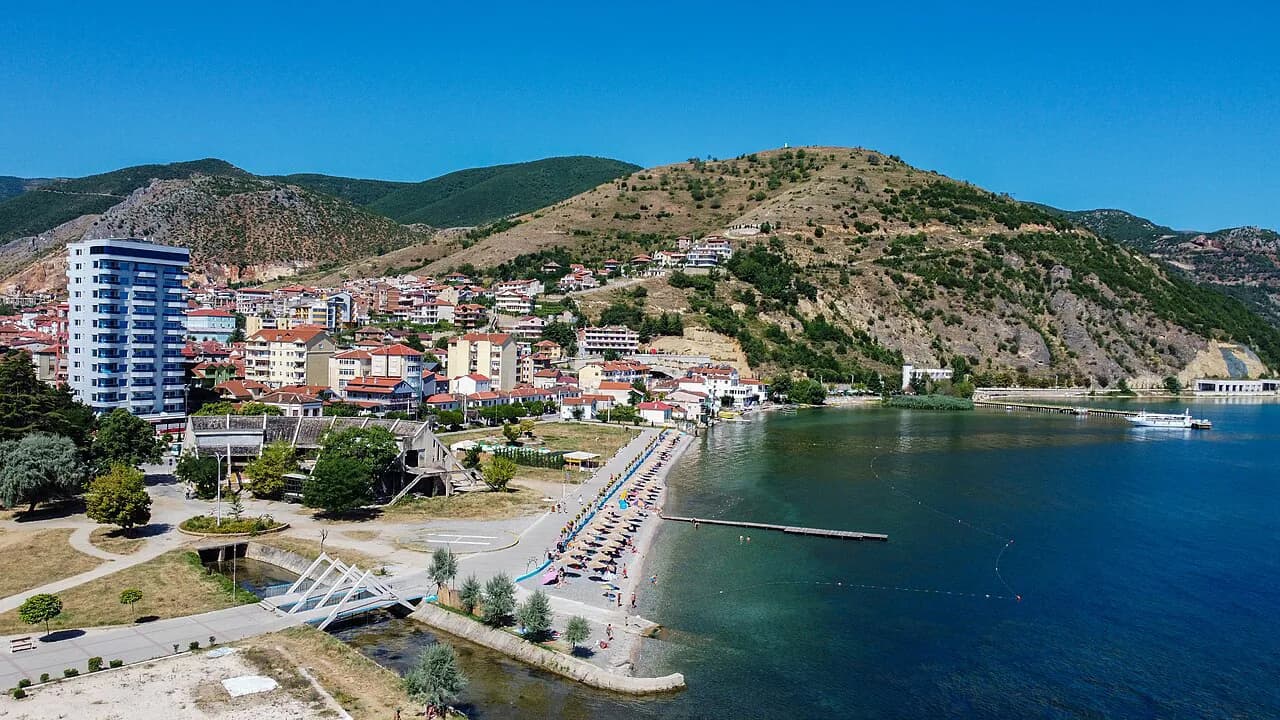
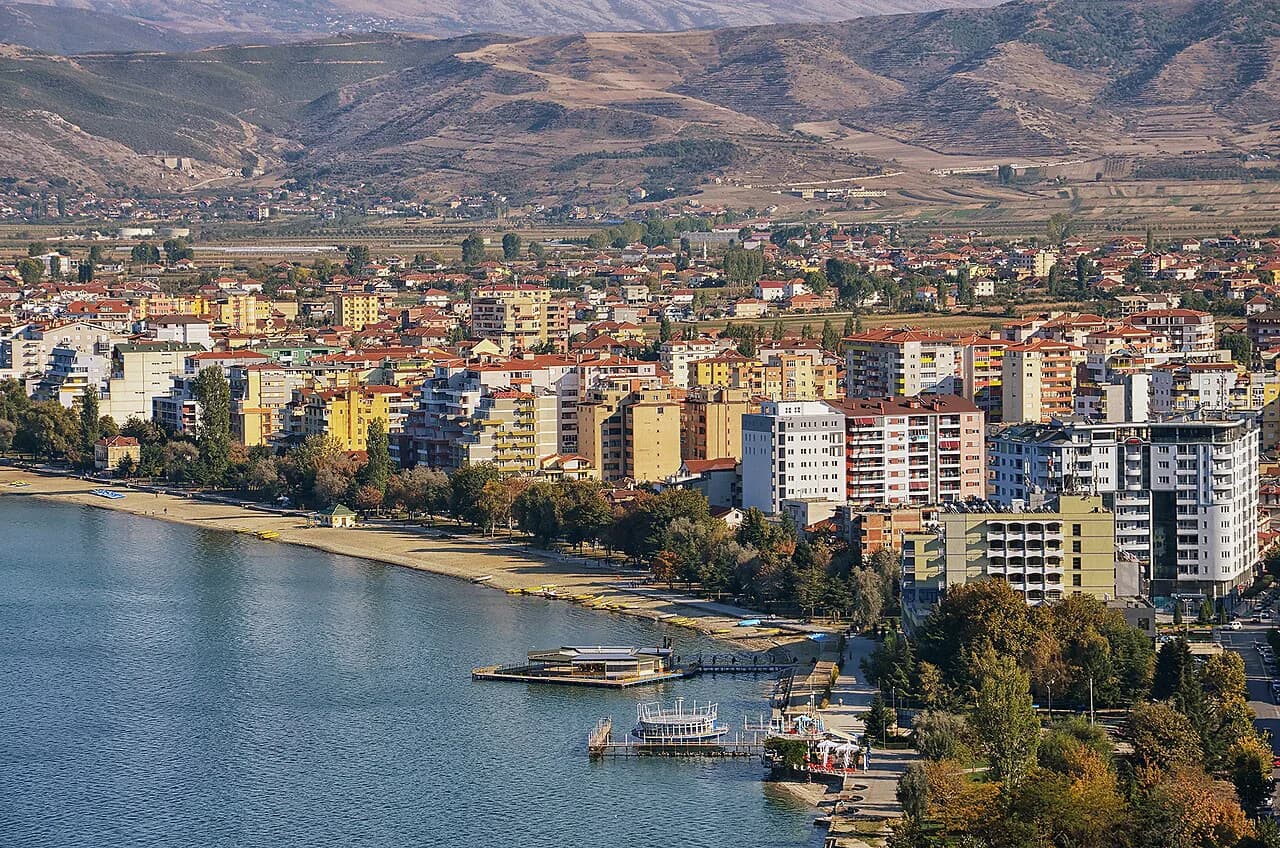
The reward is the panorama. From the hill you look down over the town's rooftops and out across the lake to the mountains on the far side, which is why the climb pays off even when the masonry is worn. Come for the view first and the archaeology second, and the visit makes sense.
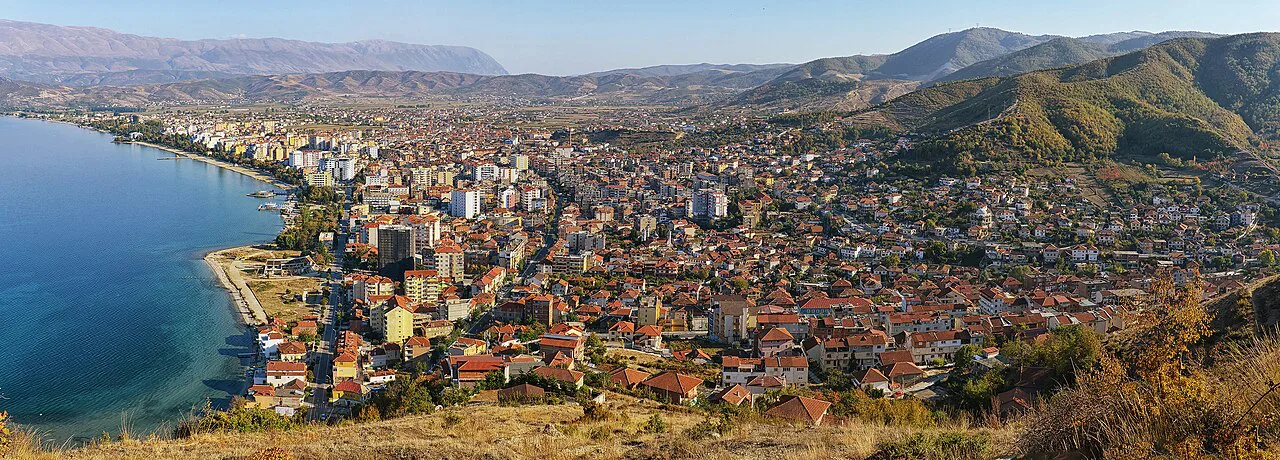
The site's phases in brief
Occupation here runs long. The earliest traces of habitation date to the 5th century BC, when the site existed as an unfortified settlement; by the 4th century BC defensive walls had been built and it had become a small urban centre. Excavations on the hills above the city also uncovered an Illyrian settlement of the 5th century BC.
The settlement was destroyed by fire in the late 2nd century BC during the Illyrian, Roman and Macedonian wars, confirmed by an ash layer found in excavation. Its inhabitants rebuilt it, and it then spent roughly three centuries at peace under Rome without needing fortifications.
New walls went up in the 4th century AD as barbarian invasions pressed on the region, and those defences served until the 9th century AD, when the site was destroyed by Slavic invaders and abandoned. Standing on the hill with that sequence in mind turns a scatter of rubble into a readable story.
Walking up from the town
Most of central Pogradec is reachable on foot within about 20 minutes, and the castle sits at the town entrance, so the ascent is a walk rather than an excursion. Set aside the hour on the hill plus the climb in each direction, and go in the cooler part of the day since the route is exposed.
Taxis are available in town for trips out to Drilon Park and the archaeological sites if you would rather save your legs for the ruins. A taxi up and a walk down is a sensible split if the heat is on.
Pairing the castle with the lake
After the hill, drop down to the lakefront. The main city beach runs along a tree-lined promenade with umbrella and lounge chair rentals from June through September, and the mountains behind block strong winds, keeping the water calm through the swimming season.
For a quieter shoreline, head to Tushemisht village, a 30-minute bike ride from the centre on flat roads, with bike hire from shops along the lake promenade. You can also ride out to Drilon, 4 km east of Pogradec, where spring-fed streams run under wooden bridges and rowboats can be rented for short rides.
Nearby sights that pair with the castle
Drilon National Park, known locally as Voloreka, lies about 5 km east of Pogradec beside Tushemisht, where three karstic springs feed the south-eastern shore of the lake. The main stream forms a large basin used for boating, with elms, plane trees, poplars and weeping willows shading the water.
The Lin peninsula holds the prehistoric settlement of Zagradie, discovered in the late 1960s, with Copper Age stone tools now kept in the Pogradec Museum. Archaeologists working with the University of Bern have since identified the stilt settlement at Lin as the oldest in Europe, dating back over 8,500 years; the Lin, Albania guide covers the village and the site.
East of Pogradec, the royal tombs of Selca date to the 4th century BC, cut directly into the cliff face with stone carvings still visible inside. Further out, Goliku Bridge stands about 40 km from Pogradec on the old Egnatia road, a 17th-century structure of two arches with a discharge window between them.
Tickets, opening hours and access on the day
The climb is an outdoor visit, so plan it around daylight and expect the hill to be exposed to sun and wind. Sort out any entry arrangements when you arrive, and check current details before travelling if you want certainty on the day.
Food is the other half of a Pogradec day. Local restaurants specialise in Koran, a trout found only in Lake Ohrid and Lake Baikal and served grilled or in herb-seasoned casseroles, alongside kernacka spiced sausages at lakeside taverns.
Where to go next
Buses run from Pogradec to Tirana in 3 to 4 hours and to Korça in about 45 minutes, so the castle fits easily into a wider lakeside and south-east Albania trip rather than demanding its own day. Korça and Ohrid across the water are the obvious next stops.
Is the castle climb worth it?
Yes, if you are already in Pogradec: an hour up the hill buys you the wall lines and the view back over the lake, and it slots neatly between a morning at Drilon and an afternoon on the promenade. Travellers with only a passing interest in ruins should treat it as a viewpoint and spend the rest of the day on the water.
Explore more Pogradec guides
Frequently Asked Questions
How long do you need at Pogradec Castle?
Allow roughly an hour on the hill, plus the walk up from the town centre and back down. The remains are fragmentary and there is no long circuit to follow, so the time goes on the panorama over the lake and town rather than on a room-by-room tour.
Is Pogradec Castle the same as the ruins above the town?
Yes. Kalaja e Pogradecit is the ruined fortified settlement at the entrance to Pogradec, and its walls are the ruins visible on the hill above Lake Ohrid. It is a separate site from the prehistoric settlement on the Lin peninsula further along the shore.
What is Pogradec known for besides the castle?
Lake Ohrid's shoreline, the springs and rowboats at Drilon National Park, the beaches at Tushemisht, and Koran trout served in local restaurants. The Lin peninsula and the cliff tombs at Selca add the archaeological side of a stay.
Can you combine Pogradec Castle with Drilon and Tushemisht in one day?
Comfortably. The castle takes about an hour, and Drilon lies roughly 5 km east of town next to Tushemisht, which is a 30-minute bike ride from the centre on flat roads. Bikes can be hired along the lake promenade.
Sources
- Pogradec - Albanian lakeside life at 700 meters above sea
- Pogradec Castle Ruins & Panoramic View Point - Bashkia Pogradec - BIZZ.AL - Discover Great Opportunities In Albania
- Pogradec, a destination rich in historical, archaeological, and natural monuments - Albanian Times | Albanian Times
- File:Pogradec Castle, Albania 2018 04.jpg
Notes for your Albania trip
Optional updates to our Albania town guides.
You might also like
Continue reading
More guides you'll find useful