
Blloku, Tirana: a guide to the district
Blloku is a compact grid of roughly eight blocks just south of central Tirana, bounded by Boulevard Dëshmorët e Kombit, Rruga Ibrahim Rugova, Rruga Myslym Shyri and Rruga Kavajës, and you enter it freely on foot. It suits walkers, diners and anyone who wants cafés and restaurants close to their bed rather than monuments in their lap.
This page covers the shape of the district, the older villas that give it its look, what you can reach on foot from its streets and how to plan a half-day or an evening. Bars and clubs get only a passing mention, since they sit outside this guide's brief.
What Blloku actually is
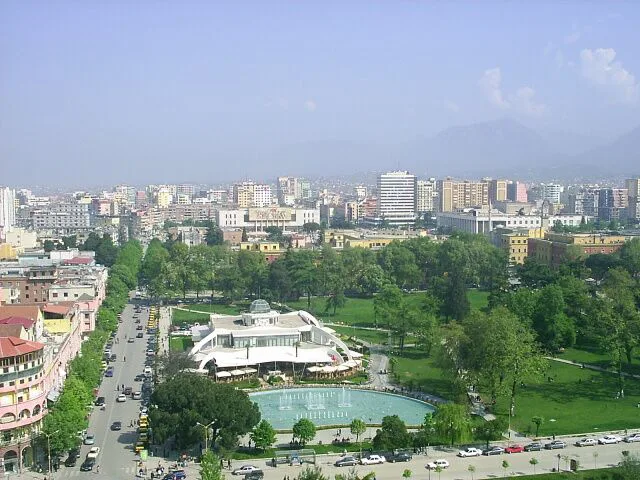
Blloku means the Block, and the district is exactly that: a small, walkable rectangle in the middle of the capital rather than a sprawling quarter. Its edges are defined by four streets, so you can orient yourself with a single look at a map before setting out.
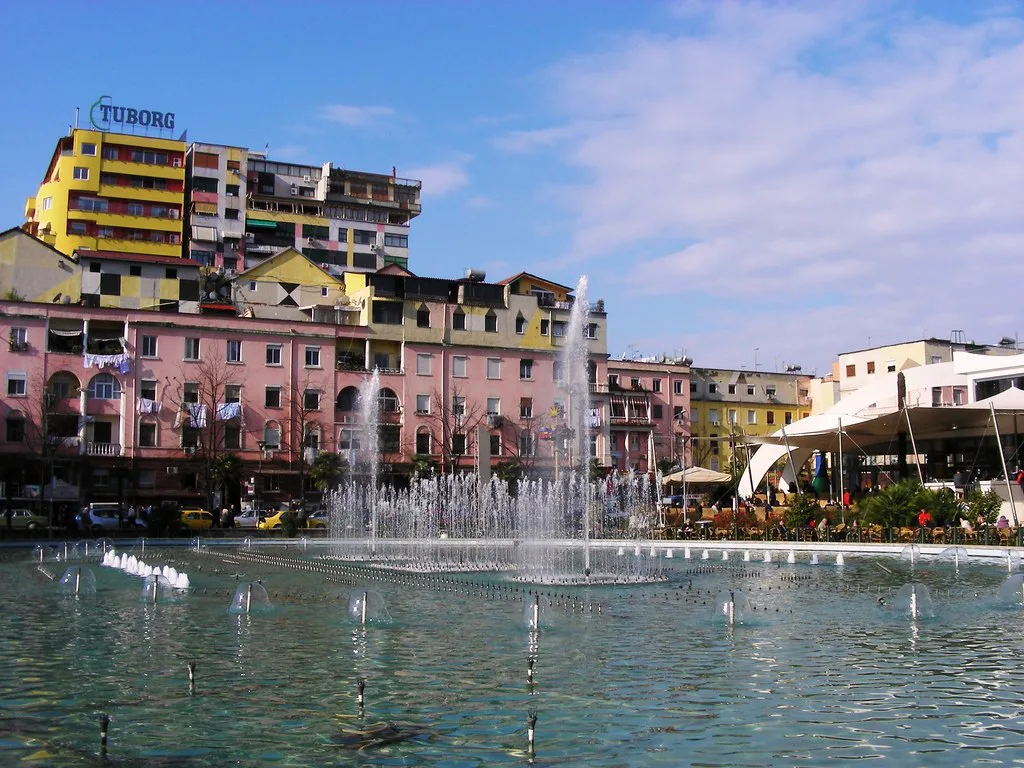
What fills those blocks is hospitality: bars, cafés, restaurants, boutiques and galleries packed tightly together, which is why people come. There are no major monuments inside the grid itself, so treat Blloku as a base and a place to eat rather than a sightseeing circuit.
Come expecting to wander rather than tick off sights, and give it two to four hours on foot if you want to cover the streets properly. Add time for a meal if you plan to eat here, which most visitors do.
Why Blloku looks the way it does
From 1944 to 1991 the area was closed to ordinary citizens and used as housing for the political elite, with armed checkpoints at the entrances. Maps of the period left it unmarked, which is why the street pattern feels private and low-rise rather than grand.
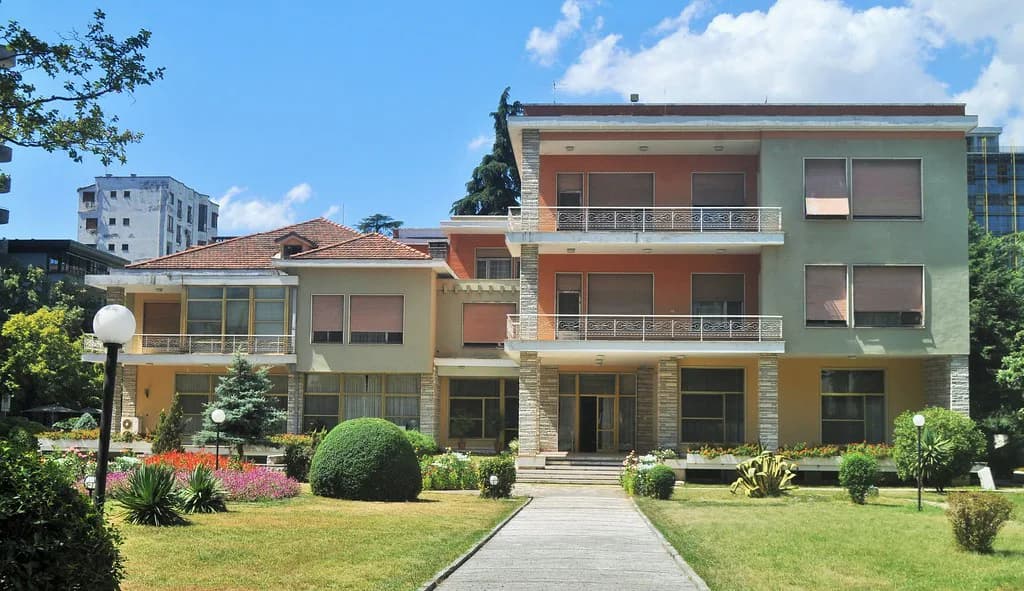
The villas that housed party families were designed in a restrained Italian-influenced style, and several still stand among the newer buildings. Walk the smaller side streets off the main drags to see them, because the commercial frontages on the busier roads hide most of the older fabric.
Enver Hoxha's former residence is a plain two-storey brick villa, modest by the standards of other Eastern Bloc leaders, and it now serves as a children's centre with the exterior preserved. It is a working building rather than a museum, so look from the street and do not expect to go inside.
After 1991 the barriers came down quickly, ground-floor apartments turned into bars and cafés through the 1990s, and by the 2000s the district had become the city's main dining and evening zone. That short history explains the mix you see now: small villas, cheap conversions and newer apartment blocks side by side.

Who Blloku suits, and who it does not
Choose Blloku if you want to step out of your door into cafés, bakeries and restaurants and walk to the centre in a quarter of an hour. It works well for a short city break where eating well and moving on foot matter more than a quiet street. It is the closest thing the capital has to a one-stop dining district.
Skip it as a base if you want somewhere calm, cheap or green, or if you are travelling with a car and need easy parking. Look instead at areas further from the centre, such as Sauk Tirana on the city's edge, where the pace is slower and the streets are quieter.
Visitors who mainly want markets and old-town texture should pair Blloku with the New Bazaar (Pazari i Ri), which is a different kind of district altogether and a short walk or taxi away. Between the two you get the modern city and its market side in a single day.
Getting there and getting around
Most people arrive on foot: the entrance to Blloku is a ten to fifteen minute walk from Skanderbeg Square, straight down the boulevard. From there the whole district is flat and easy to cross in ten minutes end to end, and access to the streets themselves is free at any hour.
Use the boundary streets as your mental map: Dëshmorët e Kombit on the east side, Rruga Myslym Shyri to the north, Rruga Ibrahim Rugova to the west and Rruga Kavajës to the south. If you get lost, walk until you hit one of those four and reorient.
Taxis drop off on the edges rather than inside the small streets, and pavements are uneven in places, so wear shoes you can walk in for an hour or two without thinking about it. There is no need for a car inside the district.
What to see on a walk through Blloku
Start with the villa streets and the former Hoxha residence, then drift towards the edges for the bigger sights. The district's own appeal is architectural and social rather than monumental, so give yourself permission to wander without a checklist.
The National Gallery of Arts sits close by, as do street art, small galleries and independent shops within the blocks. Check current opening times and any entry charge at the gallery itself before you set out, as these change.
Bunk'Art 2 and the Pyramid of Tirana are both within walking distance of Blloku and make a natural extension of a morning. Neither sits inside the district, and neither should be assumed open on the day you visit, so confirm times on their official pages first.
For a longer city walk, combine Blloku with the centre's sights around Skanderbeg Square and the House of Leaves, which are all reachable on foot in a single afternoon.
Where to eat and drink in Blloku
The density is the point here: bars, cafés and restaurants sit shoulder to shoulder, so you can look at a few menus before choosing. Named places include Serendipity for Mexican food, the Library Bar and Raum Bar, alongside Sophie caffè and Mon Cheri.
Rooftop terraces are popular in the warmer months for views over the city, and they fill up in the evening. For a quieter table, eat earlier or head down the smaller side streets away from the main rows.
Some establishments close or move towards the coast during the peak summer weeks, so a place you read about may not be open when you arrive. Check a venue's own page or social feed on the day rather than relying on a list.
Beyond Blloku, Kombinat Tirana is worth knowing if you want to eat away from the centre's prices and crowds. It is a very different district, with a local feel rather than a visitor-facing one, so treat it as a separate outing.
When to walk Blloku
The district is accessible at any time of day, and the streets are busiest from late afternoon into the evening. Outdoor terraces make the warmer months, roughly April to October, the most comfortable for lingering over a drink.
Mornings are the best time for a quiet walk through the villa streets and for photographing the buildings without people in the way. Evenings suit the café and restaurant scene, but expect crowds and noise on the main rows.
Staying in Blloku
Blloku has a large stock of short-term apartments and flats, many within a few minutes of the cafés and about ten minutes' walk from Skanderbeg Square. Staying here means you can eat out without taxis and reach the centre on foot.
The trade-off is the district's own character: it is the city's densest concentration of bars and restaurants, so evenings are lively and noise carries, and light sleepers should ask about a room's position before booking. Book directly with a host or hotel and check the current rate there rather than relying on a printed figure.
Is Blloku the right base for your Tirana visit?
Blloku rewards anyone who wants to eat well and walk everywhere, and it makes a sensible base for a short city break. It is a poor fit if you want quiet nights, easy parking or a district full of monuments.
Plan a morning walk through the villa streets, an afternoon at the gallery or Bunk'Art 2, and an evening at one of the local restaurants. Confirm any venue's hours on the day, since these change and are not fixed citywide.
Explore more Tirana guides
Frequently Asked Questions
How long do you need in Blloku?
Two to four hours covers a walk through the streets and a coffee or meal. Add an evening if you want to eat out, and a full half-day if you plan to include the National Gallery of Arts or Bunk'Art 2 nearby.
Is Blloku easy to reach from Skanderbeg Square?
Yes. The entrance is a ten to fifteen minute walk from Skanderbeg Square, straight down the boulevard, and the district itself is flat and easy to cross on foot.
Can you visit Enver Hoxha's former residence?
The building stands in Blloku and is now used as a children's centre, with the brick exterior preserved. It is a working building rather than a museum, so you view it from the street rather than going inside.