Lepushë, Albania: Albanian Alps Village Guide
Lepushë is a mountain village in Kelmend in the Albanian Alps, reached by the SH20 road. Here is how to get there, what to see and how long to allow.
On this page
Lepushë is a small mountain village in the Kelmend region of northern Albania, high in the Albanian Alps at roughly 1,200 metres or more, reached by the SH20 road. One night is enough to see the village, while two give you a full day on the surrounding meadows; this guide covers the layout, the approach road, what to do and the practical gaps worth planning around.
It suits travellers who want quiet mountain scenery and guesthouse food rather than a resort, and who are prepared to carry cash and supplies. The village has four separate clusters of houses spread across the Vermosh and Cem valleys, so getting your bearings takes a few minutes after arrival rather than a single main street.
Where Lepushë is and how it fits the Albanian Alps
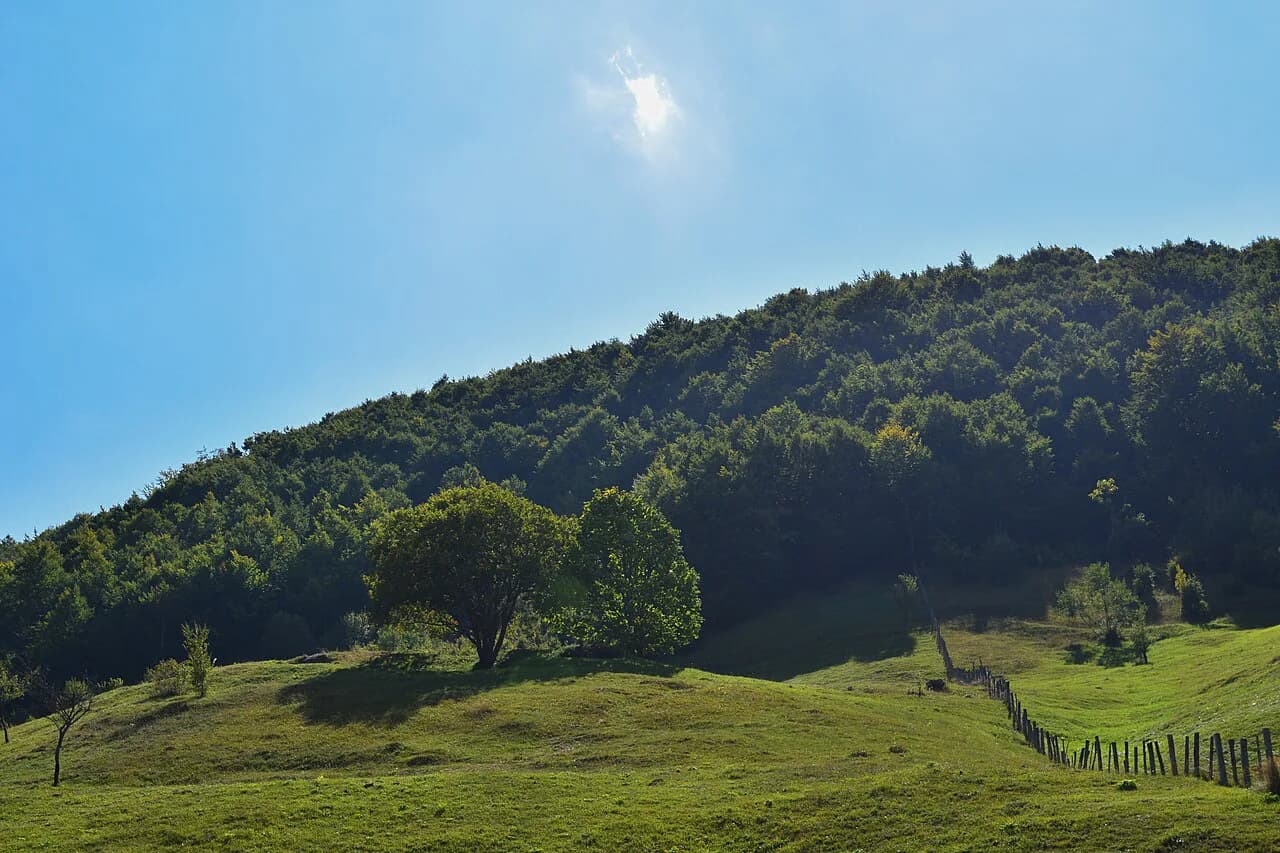
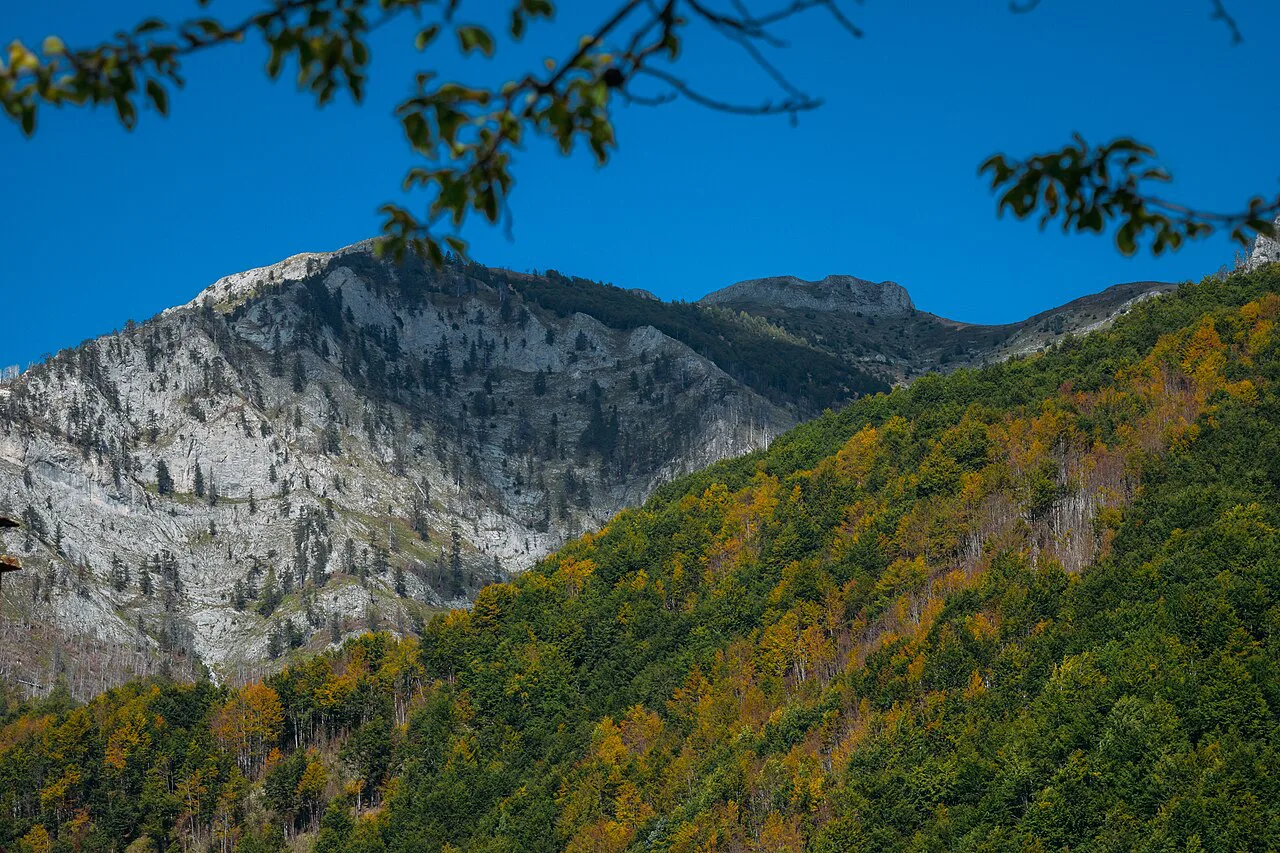
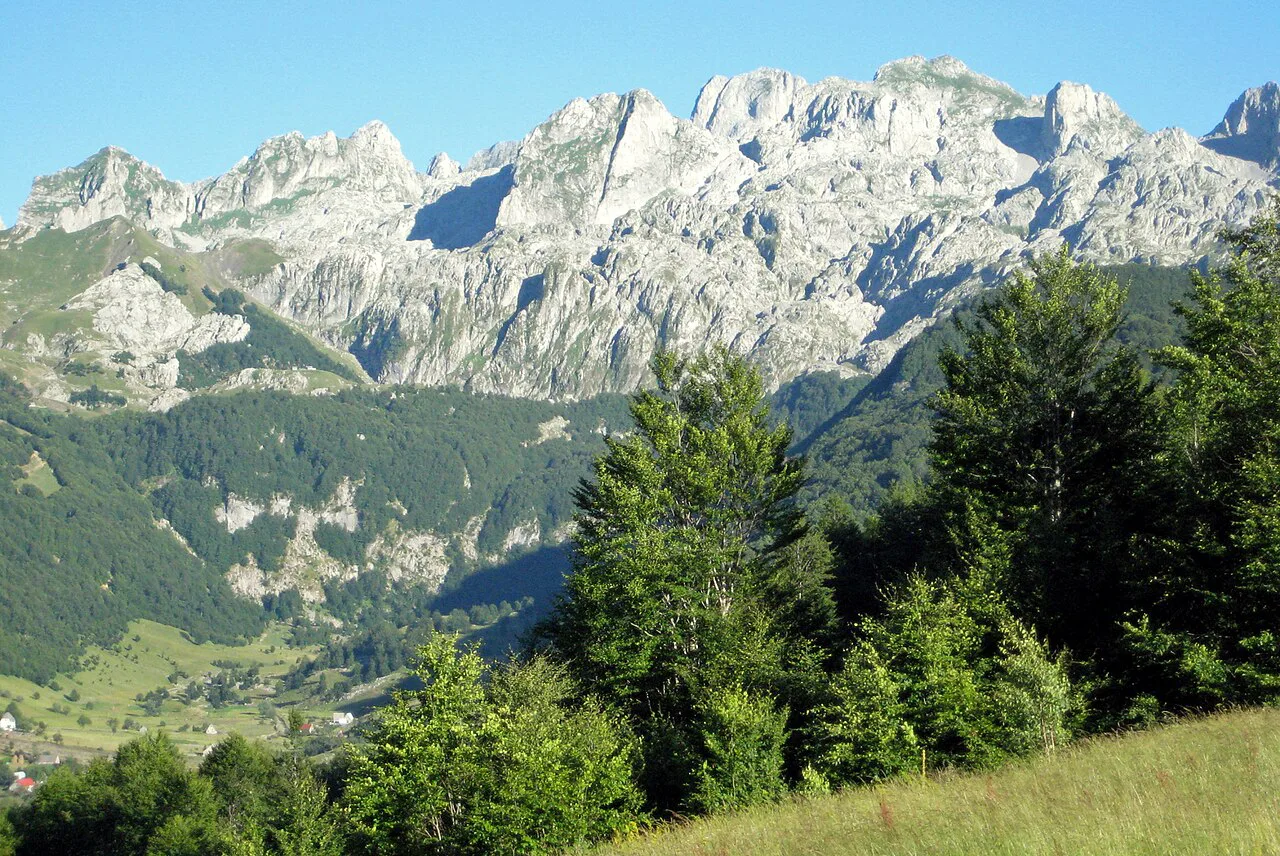
Lepushë lies in Kelmend, part of the Malësi e Madhe district, within the Albanian Alps national park and below the Bjeshkët e Namuna range that English speakers call the Accursed Mountains. The village sits at the foot of karst peaks rising above 2,000 metres, with beech forest on the slopes and alpine pasture around the houses.
Elevation figures vary between accounts, so treat Lepushë as a village above 1,200 metres rather than fixing on a precise number. That height matters for planning: spring arrives late and snow can linger on the high ground well into the season, so a visit timed for meadows in flower means keeping an eye on conditions and checking current reports shortly before you travel.
How the village is laid out
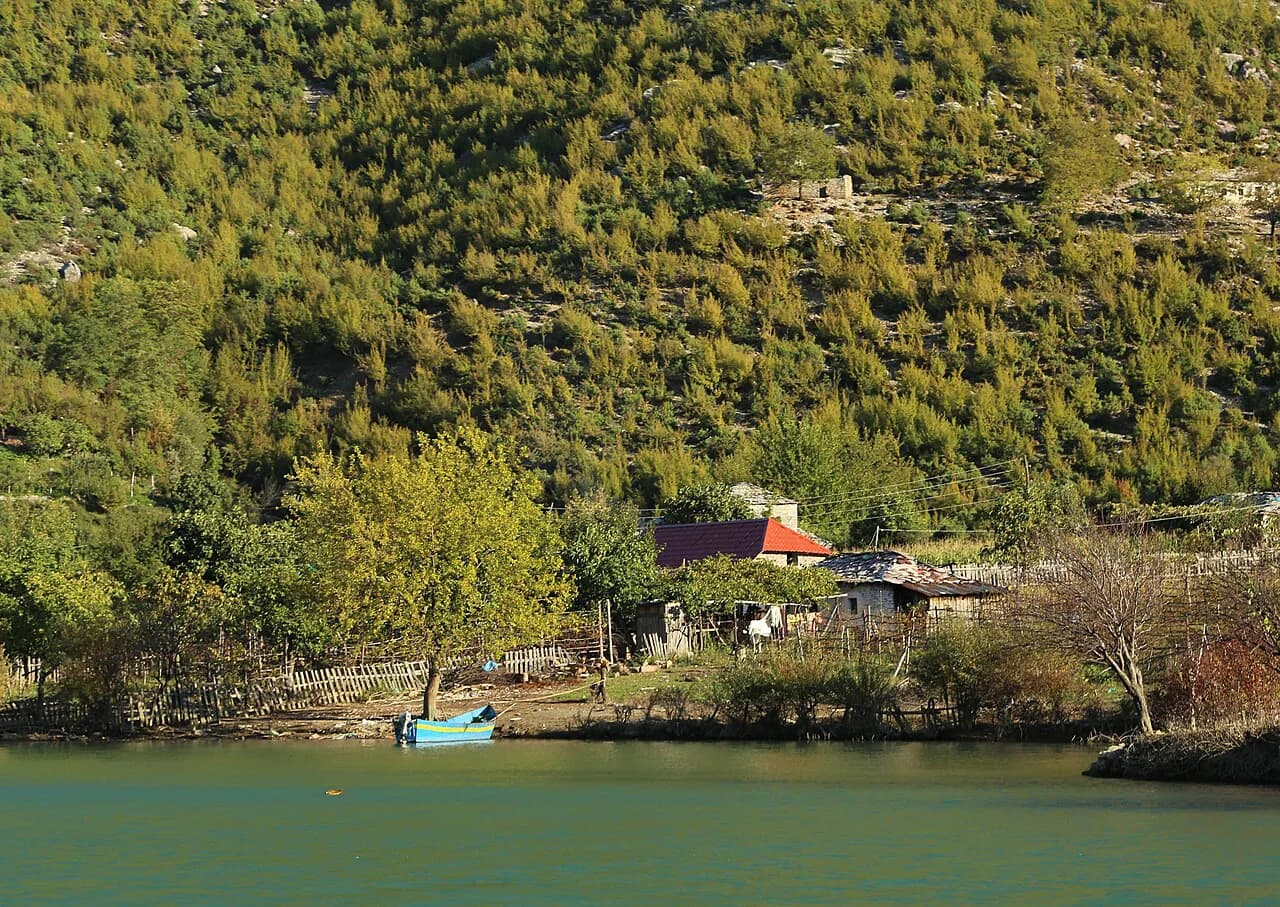
Lepushë is not a compact centre but four groups of houses set across two water-collecting valleys, the Vermoshi and the Cemi. Guesthouses and farm buildings are scattered among the meadows, so distances between them are short but the settlement reads as a dispersed alpine hamlet rather than a street village.
Practically, that layout means you should ask your guesthouse where to be dropped off and how you will move between clusters, because a furgon or car will not simply deposit you at a single main square. Walking between the clusters is the normal way to get around once you have arrived, and it is worth checking current transport arrangements when you plan your trip.
Getting there on the SH20 road
The SH20 is the mountain road through Kelmend. Approaching from the south, you join it near Hani i Hotit by Lake Shkodra and climb through Tamarë and Selce, crossing the Qafa e Bordolecit pass before dropping towards Lepushë. From the north, the road connects through the Vermosh valley and the Vermosh–Gusinje border crossing with Montenegro.
Road improvements along the Kelmend route have been carried out in stages over the years, and older accounts describe rough, unfinished stretches beyond Tamarë. Rather than rely on any single report of the surface, ask your guesthouse or a Shkodër operator about the current state of the SH20 before you commit, particularly if you are driving a low-clearance car.
The Selce canyon is a natural stop on the southern approach, and the drive itself, with the Rrapsh serpentines and mountain views, is part of the reason to come. If you are coming via the Lake Koman Ferry, that crossing is a separate day's business, so plan the two as different legs rather than trying to combine them tightly.
Driving times and what the mountain road asks of you
Distances in Kelmend are short on the map and long in practice. An older account of the Tamarë–Lepushë stretch describes roughly 23 km of rough road taking more than an hour, with reconstruction work under way at the time. Use that as a warning about pace rather than a current timetable, and add buffer to any plan built around a fixed arrival.
Allow daylight for the climb, fill the tank before you leave the main road and keep the itinerary loose in case of roadworks or weather. If you would rather not drive, ask in Shkodër about transport to the Kelmend villages; the practical answer changes with the season.
Meadow walking, Maja e Vajushes and the Lepushë waterfall
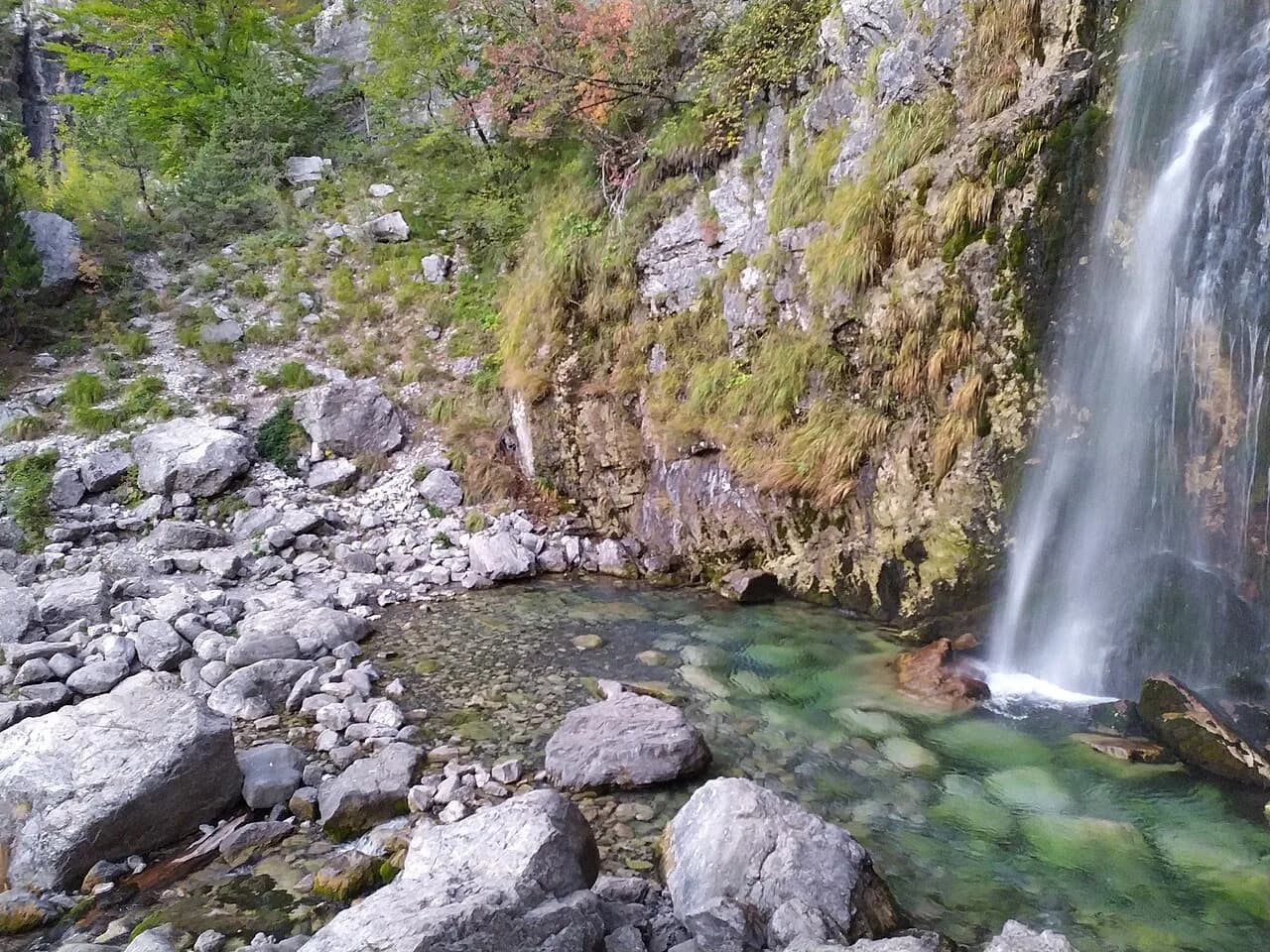
Walking is the main activity. The meadows around the village carry spring gentian, forget-me-nots, bellflowers, orchids and violets in season, and the marsh marigold that gives Lepushë its name turns the wet ground yellow after the snow melts. The slopes of Maja e Vajushes rise above the valley, and the Lepushë waterfall is the other named target close to the village.
Paths lead from the valley floor up through beech woods to clearings and pasture, including a flowery spot known as Gropa e Ujit, or Paradise Garden, below Mount Paja. Keep ambitions modest unless you are an experienced mountain walker, take local advice on conditions and treat any route description as general rather than a substitute for asking at your guesthouse.
Snow can remain at altitude into late spring, so early-season walks may be limited to lower ground. If you want a longer alpine day on well-trodden ground, Theth is a separate base with its own marked routes.
Guesthouses and local food
Lepushë has a handful of small guesthouses rather than hotels, and several serve traditional food to guests and visitors. Bujtina Lepushe has a restaurant known for traditional dishes, which is the obvious choice after a day on the meadows.
Expect home-made breakfasts of jam, cheese and yoghurt in the Kelmend style, and a set meal rather than a menu in the smaller places. Because capacity is limited, arrange your bed and your evening meal before you travel, particularly at weekends and in August.
Money, food and fuel: the practical gaps
There is no supermarket and no cash machine in Lepushë, so bring enough cash and the food you need before you climb. The last fuel on the southern approach is at the junction near Hani i Hotit by Lake Shkodra; coming from Montenegro, fill up in Plav.
Plan for a quiet village with basic services, and carry what you would want for a remote mountain stay, including warm layers for cold nights. Confirm payment arrangements with your guesthouse in advance, since cards are not something to count on this far up the valley.
When to go: spring flowers and the August festival
Two moments shape the year in Lepushë. Spring brings the meadow bloom after the snow melts, and August brings the Logu i Bjeshkeve folk festival, when the village fills with traditional dress and music. Festival dates are set each year, so confirm the current year's programme before booking around it.
Summer is the reliable walking season, while spring visits need flexibility because snow can linger at altitude well into the season; an account from a late-April visit notes snow above 1,500 metres and cold nights.
How long to allow and what to combine nearby
Give Lepushë one night for the village and its immediate meadows, or two nights if you want a full day's walking on the Maja e Vajushes slopes and the waterfall. The village works best as a slow stop rather than a tick-box, so build in time for a long lunch and a late-afternoon walk.
On the way in or out, the Selce canyon and the Qafa e Bordolecit pass are natural stops. Beyond the valley, the Vermosh valley and the Albanian Alps more broadly make sense as separate legs of a northern circuit rather than a single day from Shkodër.
What Lepushë does not have
Lepushë has no supermarket, no cash machine and no modern hotel strip, which is much of its appeal and also the thing to plan around. Bring cash, food and fuel from lower down, and do not count on finding what you forgot once you are in the valley.
It is a place for meadows, guesthouse meals and mountain air rather than a base for a wide range of attractions. If you want a busier alpine village with more facilities and marked trails, look at Theth instead and treat Lepushë as the quieter alternative when the road and the weather suit.
Should you drive up to Lepushë?
Drive up if you have a full day to spare for the mountain road, cash and supplies in the car, and a guesthouse booked for the night. The reward is a quiet Kelmend village with flowering meadows, the Maja e Vajushes slopes and the Lepushë waterfall within walking distance.
If your time in the north is short, take the Lake Koman ferry and spend the day at Theth, where the logistics are more established. Lepushë rewards a slower trip, so let the road and the season decide which one you choose.
Explore more Theth guides
Sources
Notes for your Albania trip
Optional updates to our Albania town guides.
You might also like
Continue reading
More guides you'll find useful