Valbona Valley: How to Get There and What to See
Plan a trip to Valbona Valley in the Albanian Alps: how to reach the valley, what to see beyond the trails, and how many days the logistics really take.
On this page
Valbona Valley is a deep valley of the Albanian Alps in the far north of the country, reached by road from Bajram Curri and usually approached from Shkodër. Plan on two to three days for the journey and the valley itself, and treat the mountain weather and road access as the fixed points around which everything else is arranged. This guide covers the valley's villages, the non-hiking sights, how to get in and out, and how the Valbona Pass fits into a longer trip through the Accursed Mountains.
What and where Valbona Valley is
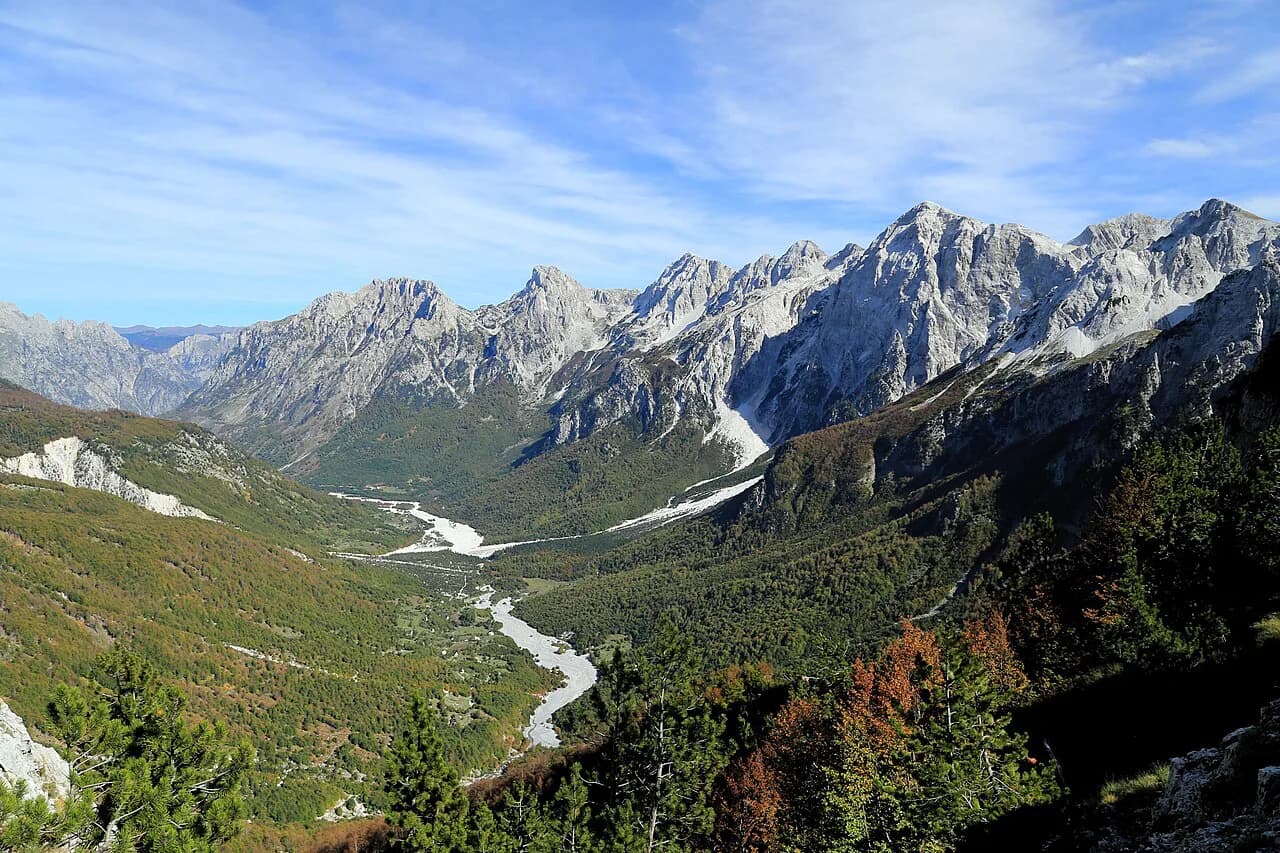
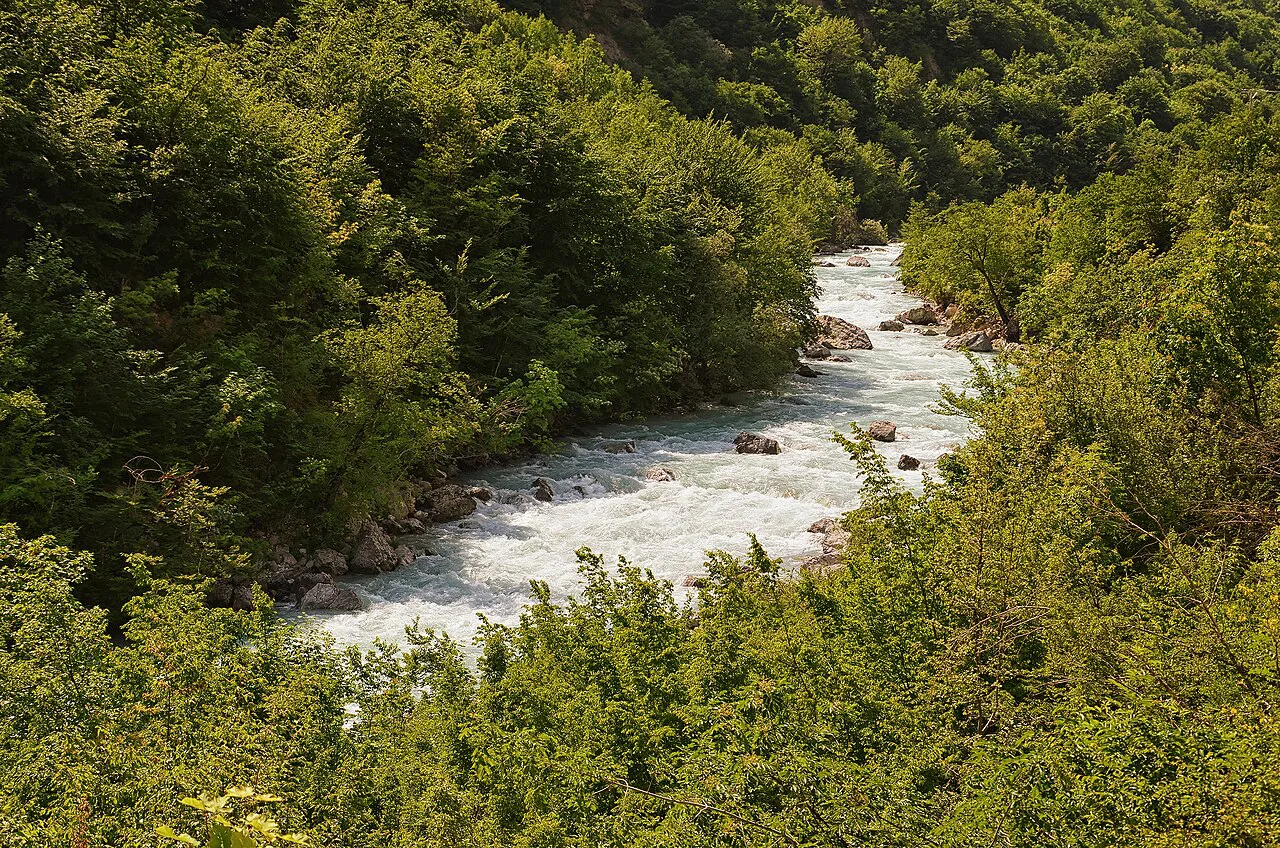
The valley sits within Valbona Valley National Park, a protected alpine area in the Albanian Alps centred on a U-shaped valley, with the Valbona River running through it. Guesthouses and hotels are spread between the village of Valbona and the surrounding hamlets, and GuestHouse Kole Gjoni is about 28 km from Bajram Curri and roughly 1 km from the village, at 974 m above sea level.
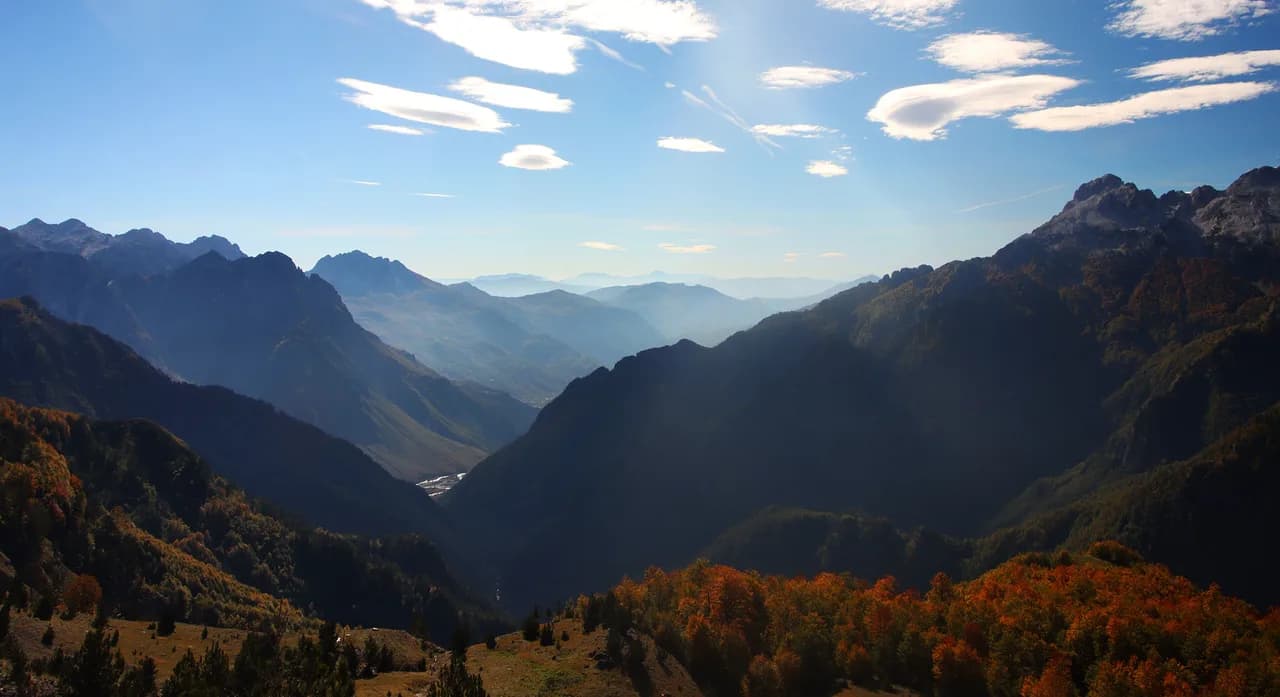
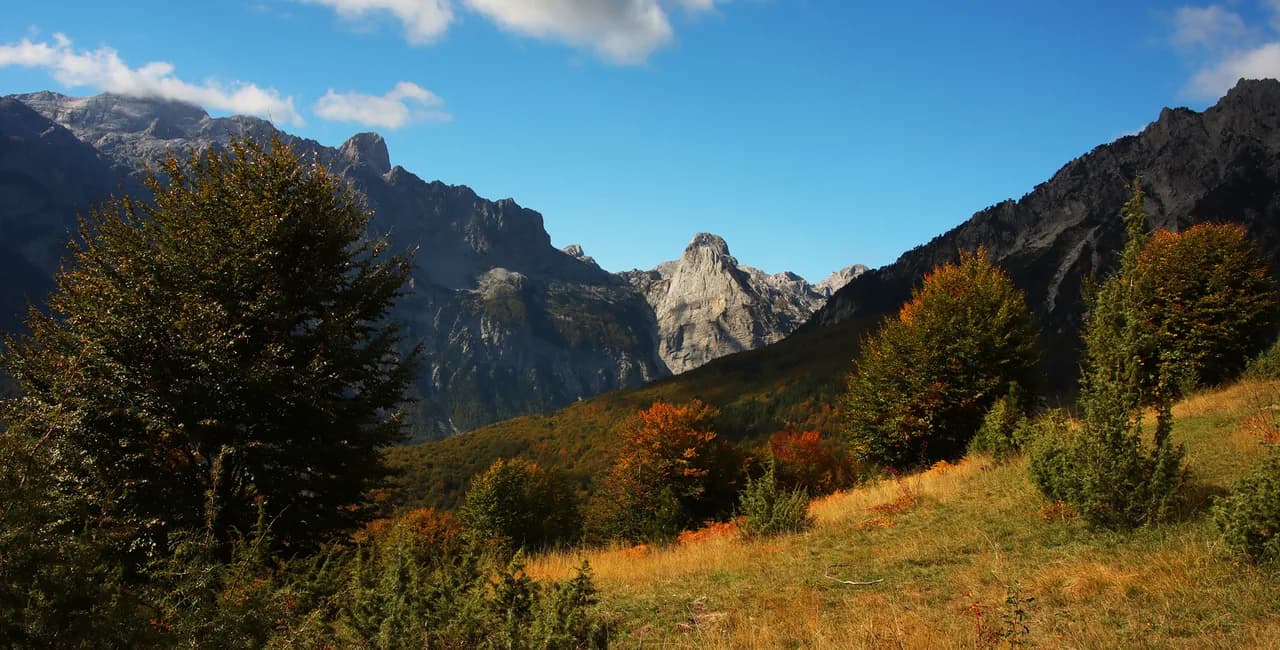
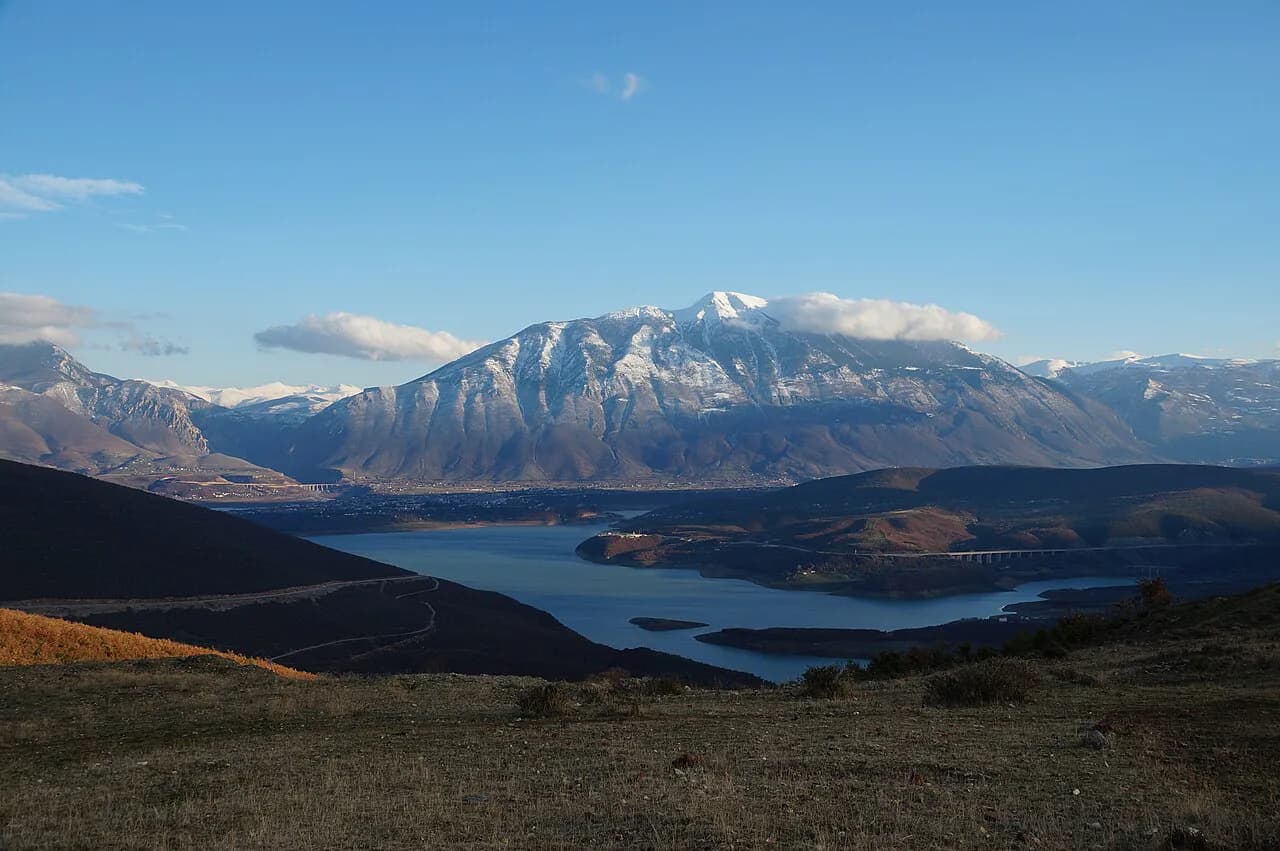
Towering peaks surround the valley, and Jezerca is the name to know on the skyline. Shepherd communities have long practised seasonal migration here, a tradition that still shapes life in the region, which is why the valley reads as working farmland as much as a mountain destination.
The valley also sits on the Peaks of the Balkans trail, a long-distance route that crosses Albania, Montenegro and Kosovo. That matters for planning: accommodation in the valley serves through-walkers as well as visitors arriving by road, so summer beds can be busy.
When the valley and the Valbona Pass are open
The practical window for the Valbona Pass route is June to October, and it should not be attempted outside those months. The best season for the valley more generally is given as June to September, so late September sits inside both windows while early October sits only inside the pass window.
Much of the walking is high and exposed, with the pass at 1,795 m, so mountain weather rather than the calendar decides your day. Build a spare day into the plan if the pass walk is the point of the trip, and keep the valley's low-level sights as the fallback.
How to get to Valbona Valley
Visitors generally travel up from Shkodër, which is the usual base for the northern valleys, and the road in runs via Bajram Curri. The valley is reached by road only, so the trip is a car, minibus or organised transfer rather than a train or scheduled ferry.
No bus timetable for Valbona appears in the sources here, so ask your guesthouse or a local operator about departures and pickup points rather than relying on an old schedule. Guesthouses are a practical source of transport information for guests working out how to reach the valley.
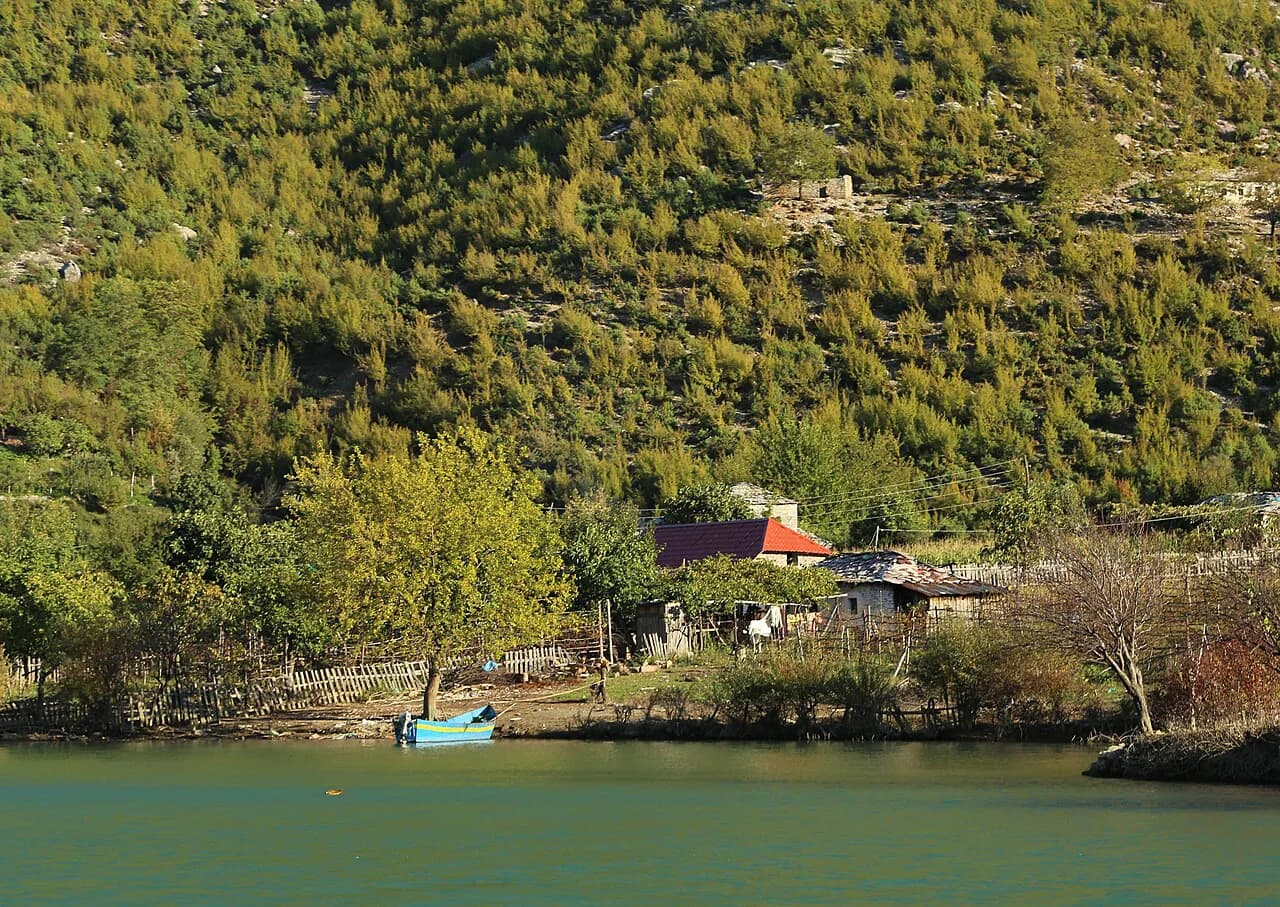
Many travellers pair the valley with a boat crossing on the Komani Lake ferry and a connecting road transfer. That combination adds a day to the itinerary but turns the journey in and out into part of the trip rather than dead time.
Getting around the valley on foot
Within the valley, walking is the main way to move between guesthouses, the river and the sights, and the distances are modest enough to cover on foot over a couple of days. The catch is the trailhead on the Valbona side of the pass: the point people mistake for the start or end of the route is not the proper trailhead, and a taxi to or from the real one adds time.
Budget for that transfer when you plan a full pass crossing, because it lengthens the day beyond the walking time itself. If you are staying only in the valley and not crossing, the taxi question does not arise.
What to see in the valley: waterfall, lake and old mill
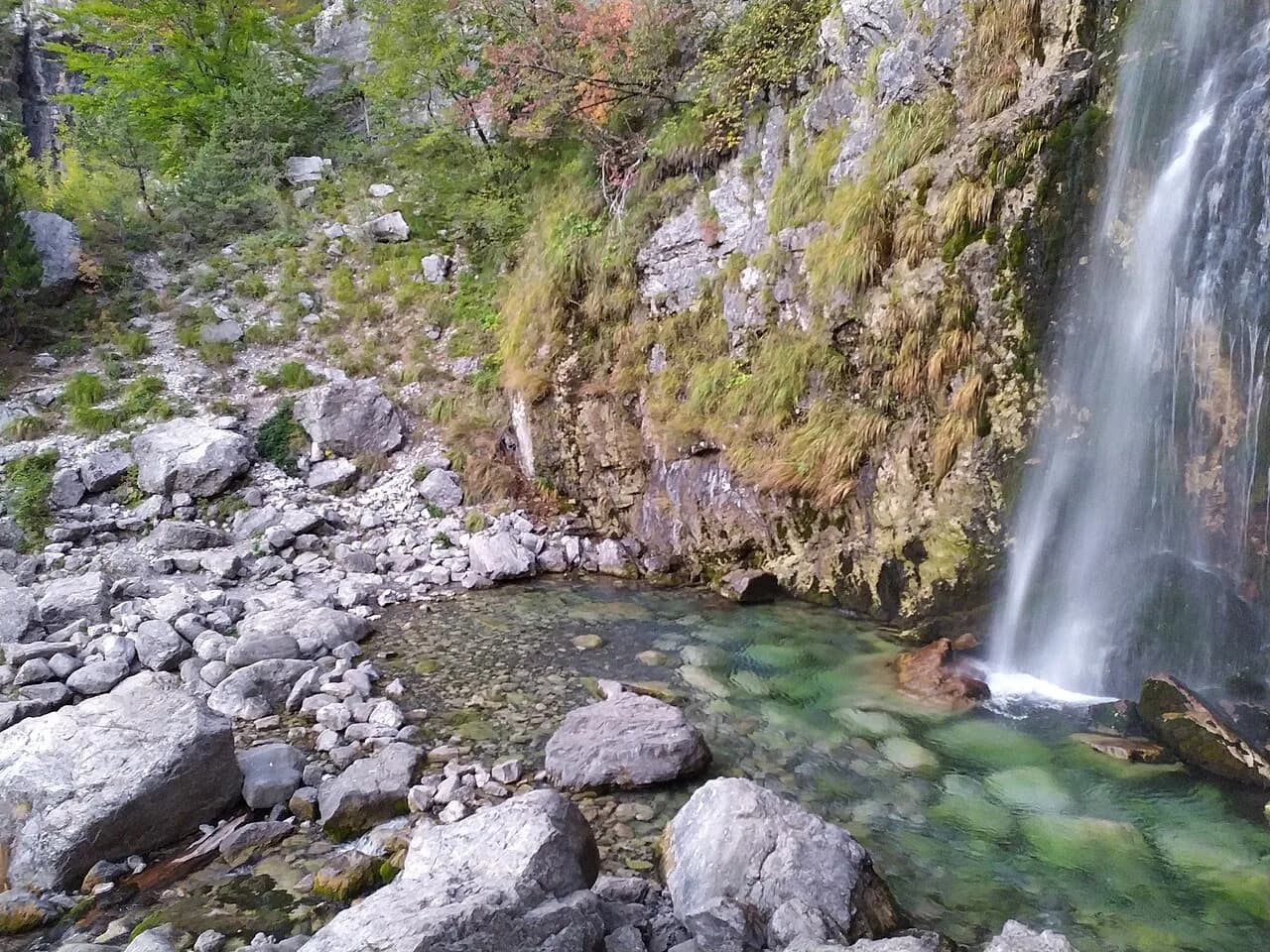
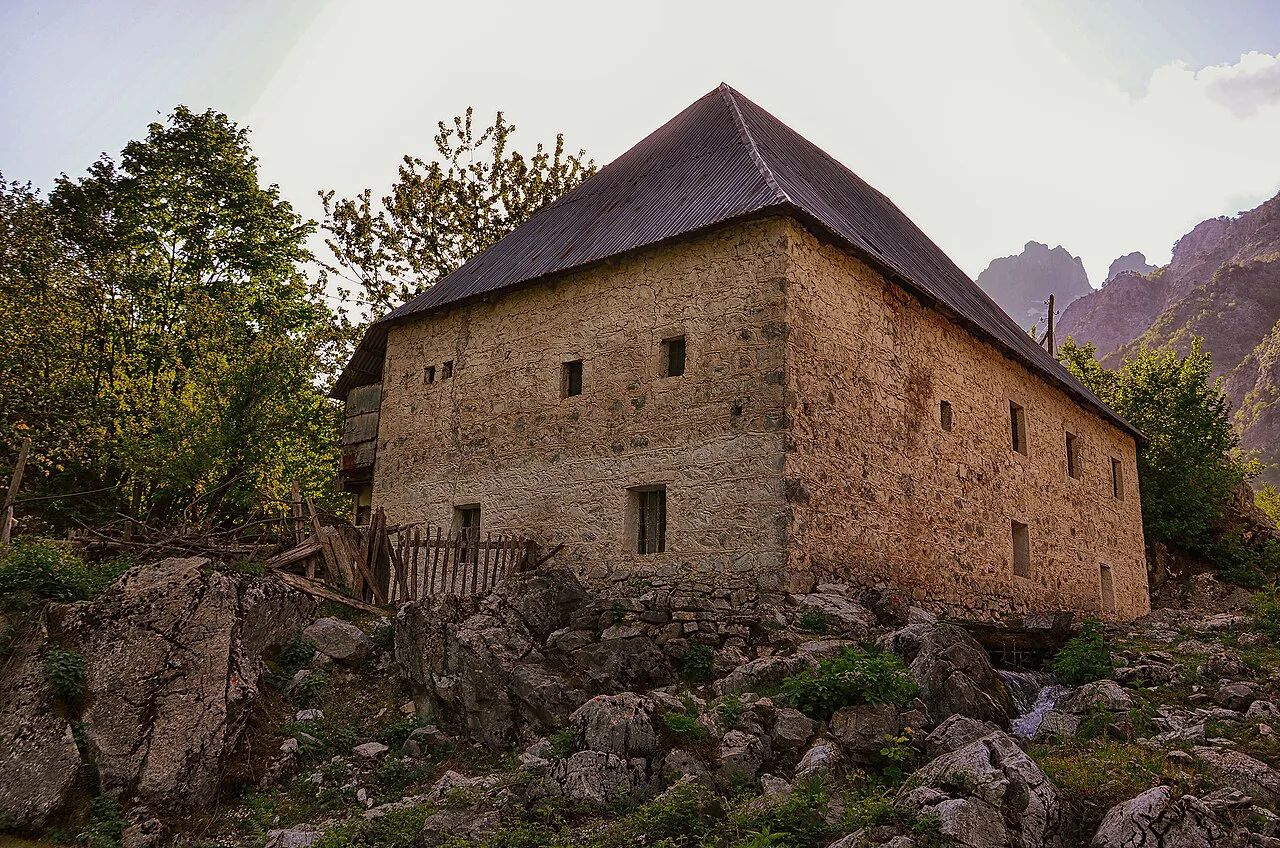
Valbona's waterfall, Rragami Waterfall, is fed by spring water that forms the source of the Valbona River, and it is the valley sight to prioritise if you have a single free half-day. The Old Mill sits at the entrance to the valley on the Valbona River, and its surroundings rather than the building itself are the draw.
Xhema's Lake is a natural lake inside the national park, close to the inhabited entrance area of the valley, and the walk to it is easy enough for children and for a lazy evening stroll. That makes it the sensible choice for a first afternoon after a long transfer.
These three sights need no technical kit, and together they give non-hikers a genuine day in the valley. Set them against the pass walk when you decide how to spend your time, rather than treating the valley as a staging post.
The Valbona Pass and the Theth connection
The pass links Valbona with Theth, and the full point-to-point trail is 14.7 km, taking six to nine hours one way depending on direction and pace. The shorter option is the half-way walk, 7 to 8 km and five to seven hours, which climbs to the pass and returns to where you started.
The full crossing is the choice if you want to continue into Theth, the best-known alpine village of the Albanian Alps, and can give the trip two to three days including the journeys either side. If your trip is short, the half-way version removes the transfer logistics at both ends and frees a day.
How long Valbona Valley needs
Treat two to three days as the minimum for the valley once the six-to-eight-hour walk and the transport at each end are counted, as the logistics rather than the walking set the length of the trip. A visit built around the waterfall, Xhema's Lake and the Old Mill fits comfortably into one full day on the ground.
If you cross the pass, plan at least one night in a guesthouse on each side so that a slow day or poor weather does not strand you. The same applies in reverse for anyone arriving from Theth.
Where to eat and stay in the valley
Guesthouses are the backbone of the valley: Guesthouse Bujtina Valbonë on Rruga Azem Hajdari has private bathrooms in every room and river views from some, with room rates starting from €35 per night as listed by Thethi Guide. Hotel Margjeka, at 1,050 m in the heart of Valbona, cooks Albanian dishes with local and home-grown produce and keeps homemade brandy and international wine.
GuestHouse Kole Gjoni has operated as a host home since 1992, when its first visitors were foreigners, which makes it the long-standing name in the valley. Book directly with the property and confirm the rate at the time, since published rates can change.
Practicalities: cash, altitude and mountain weather
The valley uses the Albanian lek, and euros are also accepted in this part of Albania, so carry some of each as many mountain guesthouses work on a cash basis. Change money before you leave Shkodër or Bajram Curri.
Altitude matters here: the village sits around 950 to 1,050 m and the pass at 1,795 m, so a day on the trail climbs well over 1,000 m from the valley floor. Pack layers and rain protection, and treat any forecast as indicative in this terrain.
Decide whether you are crossing the pass or staying in the valley
Choose one of two trips. If you want the crossing, build two to three days around the walk, stay a night on each side and arrange the taxi to the proper Valbona trailhead. If you want the valley itself, base yourself in a guesthouse for two nights and use the waterfall, Xhema's Lake and the Old Mill as your day out.
Either way, go between June and October, confirm your bed and transfer with the guesthouse before you travel, and read the wider guides to the Albanian Alps and the Lake Koman Ferry before you fix the route in.
Explore more Theth guides
Sources
Notes for your Albania trip
Optional updates to our Albania town guides.
You might also like
Continue reading
More guides you'll find useful