Kukës, Albania: What to See and How Long You Need
Plan a visit to Kukës in north-east Albania: the Ethnographic Museum and Memorial Tower, the lake, the underground city and how long the town needs.
On this page
Give Kukës half a day, or an overnight stop if you are breaking the drive between Albania and Kosovo. The town sits between the White Drin and the Black Drin, which meet here to form the artificial Fierza Lake, and its sights are few, close together and mostly indoor or waterside. This guide covers the Ethnographic Museum and Memorial Tower, Radio Kukësi, the lake and the underground city, then sets out how long to allow and which onward stops make sense.
Set your expectations before you arrive. Kukës is a small riverside town with a short list of conventional attractions, and the scenery around it does more of the work than the streets themselves. The town lies in the north-east near the Kosovo border, with Mount Gjallica rising to the south-east above it.
Where Kukës is and how it is laid out
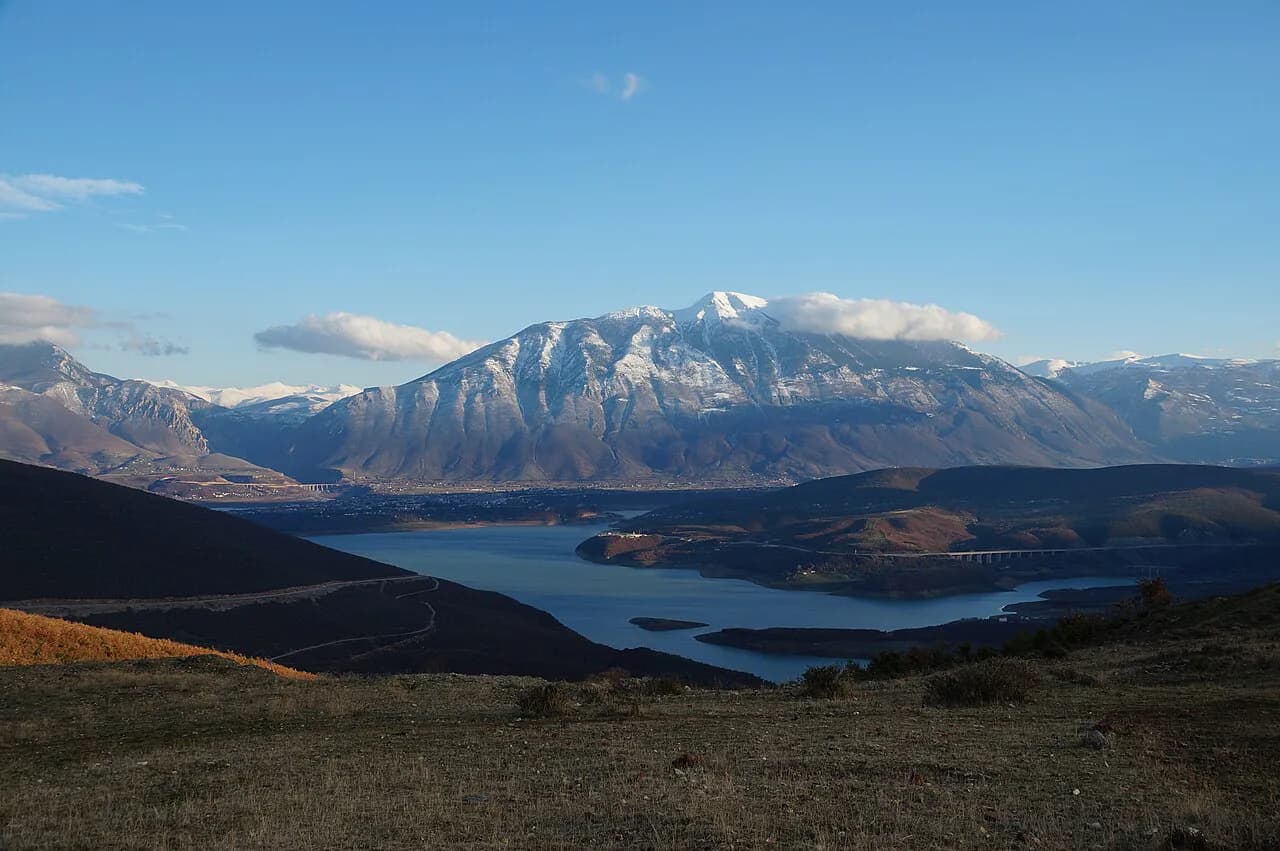
Kukës is the centre of the Kukës county in north-eastern Albania, close to the border with Kosovo. It stands where the White Drin and Black Drin converge, and the confluence feeds Fierza Lake, a reservoir created during the communist period to generate electricity. The town centre is compact enough to cross on foot, with a riverside promenade that makes a natural orientation walk on your first evening.
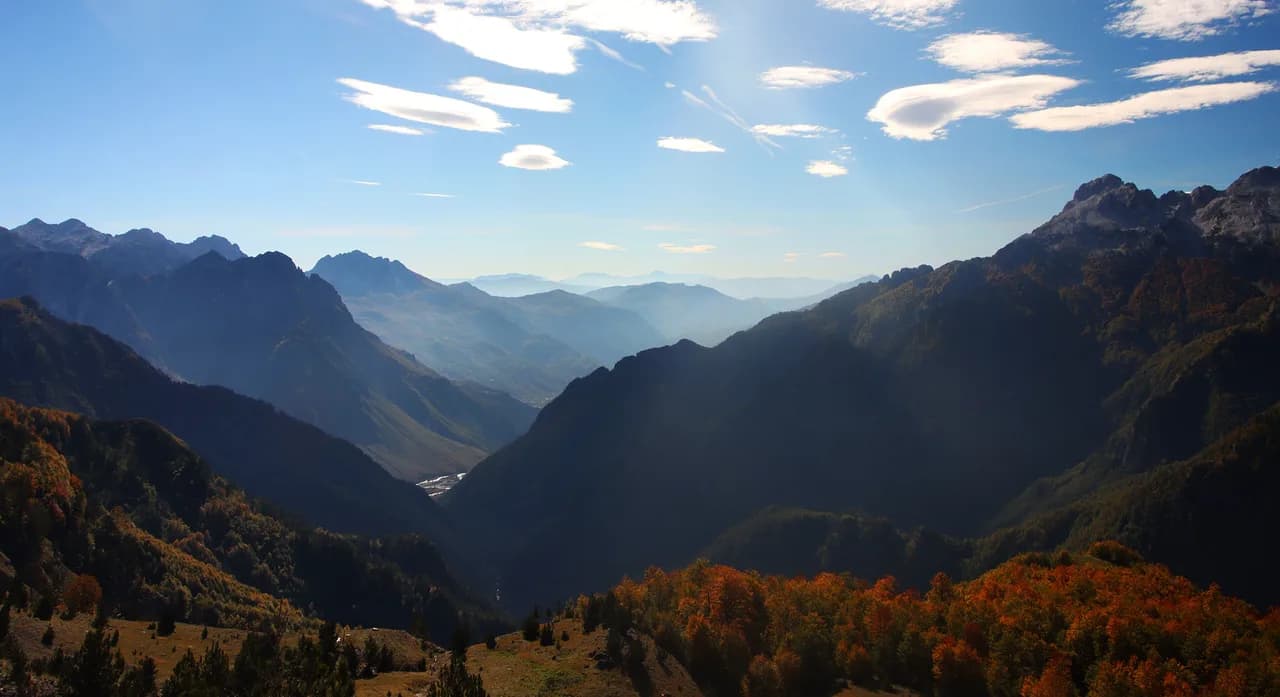
The town sits at roughly 334 m above sea level on one terrain-grid reading, though other datasets record different figures for the same point, so treat any single number as approximate. What matters for planning is the surrounding relief: the ground within a few kilometres climbs from about 279 m to over 1,000 m, and Mount Gjallica, the peak that frames views from the town, reaches 2,489 m about 9 km to the south-east. That combination explains why afternoons here feel cooler than the coast and why the mountains dominate the skyline.
Travellers sometimes describe Kukës as three towns in one: the old town now under the lake, the present town on the shore, and the underground network built beneath it during communism. That framing is useful for understanding what you are looking at, but only the middle layer is a normal sightseeing proposition. The other two are either submerged or closed, and the sections below deal with each in turn.
Getting to Kukës and fitting it into a route
Kukës works best as a stop on a longer north-eastern route rather than a destination in its own right. It lies on the corridor between Albania and Kosovo, with Prizren about 30 km to the north-east across the border, which makes it a sensible place to break a border crossing or to pause between Tirana and the Kosovan side. Because it sits at higher altitude than the coast, autumn days can be cold and wet, so build some slack into any driving plan rather than treating the town as a guaranteed sunny stop.
If your trip is built around the northern mountains, Kukës slots in as the eastern gateway. Fierzë, the port on the Drin where the Lake Koman ferry connects to the Shala River valley, lies about 38 km to the north-west, so the town can serve as an overnight before or after a boat crossing. Read our guide to the Lake Koman ferry for how the crossing works, and to the Albanian Alps for the wider region. Furgon minibuses and buses serve the corridor, but confirm times locally on the day you travel, as services change with the season.
The Ethnographic Museum and Memorial Tower
Start with the Ethnographic Museum, which covers the flora, fauna, traditional dress and customs of the region and is the most conventional sight in town. Next door stands the Memorial Tower, which tells the story of the Kosovo War and the 1999 exodus, when Kukës hosted more than 500,000 Kosovar refugees. Visit the two together; they take little more than an hour between them.
Both are listed as open Monday to Friday from 08:00 to 16:00, which rules out a weekend visit built around them. Plan the museum for a weekday morning and keep the weekend for the lake and the town itself. Hours can change, so ring or ask at your accommodation before making the museum the reason for your stop.
Radio Kukësi and its small museum
Radio Kukësi has a small museum covering the station's history, and the staff welcome visitors who ask about it. The station mattered during the Kosovo War, when it carried information across the border and people used it to let families know they had crossed safely. Allow half an hour, and treat it as a personal, low-key stop rather than a formal exhibition.
The lake, the old town under the water and Këneta
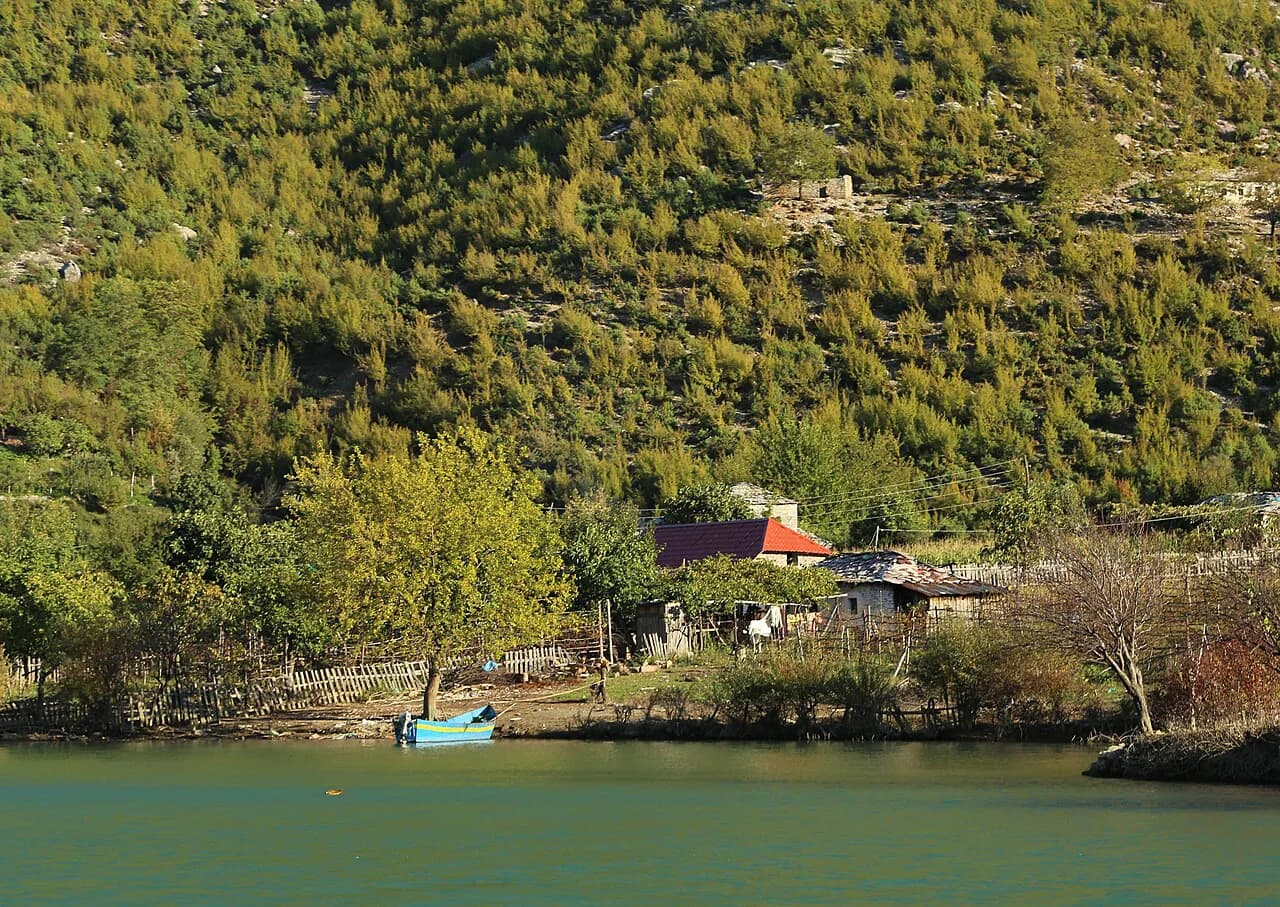
Fierza Lake is artificial, created during communism to supply Albania with electricity, but the setting is wholly natural and worth an hour of your time. The old town of Kukës lies beneath the water, which is why locals talk about the submerged city alongside the modern one. Walk the riverside promenade for the easiest shoreline view, and ask locally where you can get down to the water.
For a second waterside stop, head to Këneta to see the reservoirs. It is an informal detour rather than a ticketed attraction, best done by car with time to spare. Combine it with the lake rather than treating it as a separate outing.
The underground city: access depends on a contact
The underground city is a network of tunnels and rooms built some 30 m below Kukës during the communist period, equipped with water and electricity and intended to shelter the whole town in the event of an attack. It was never maintained as a visitor attraction, and after communism ended the site was stripped of useful material, leaving blocked tunnels and rubbish. Today it is accessible only by arrangement through someone with local connections, not by turning up.
Plans to make it visitable have been discussed locally, but there is no public opening, no ticket desk and no fixed schedule, so do not build a trip around it. If you have a contact, treat the visit as a favour with practical caveats rather than a tour. Anyone without a contact should leave it out of the itinerary.
The ruins of Turizmi i Ri
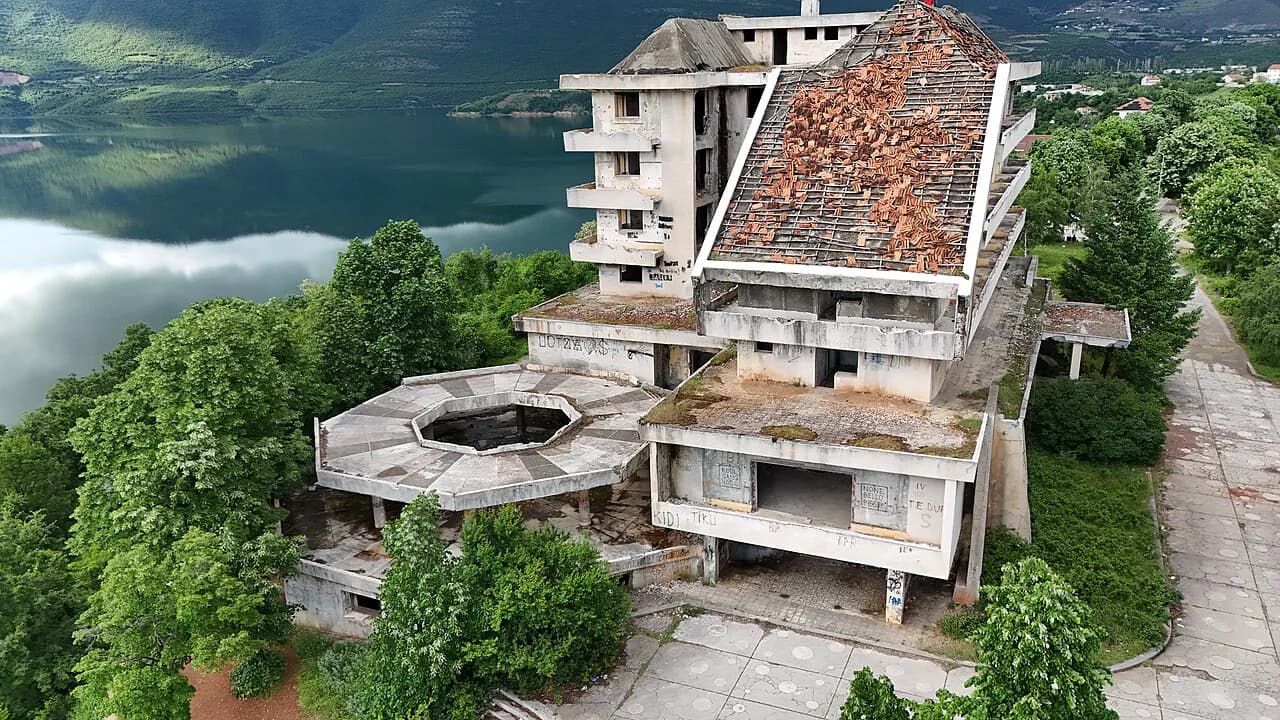
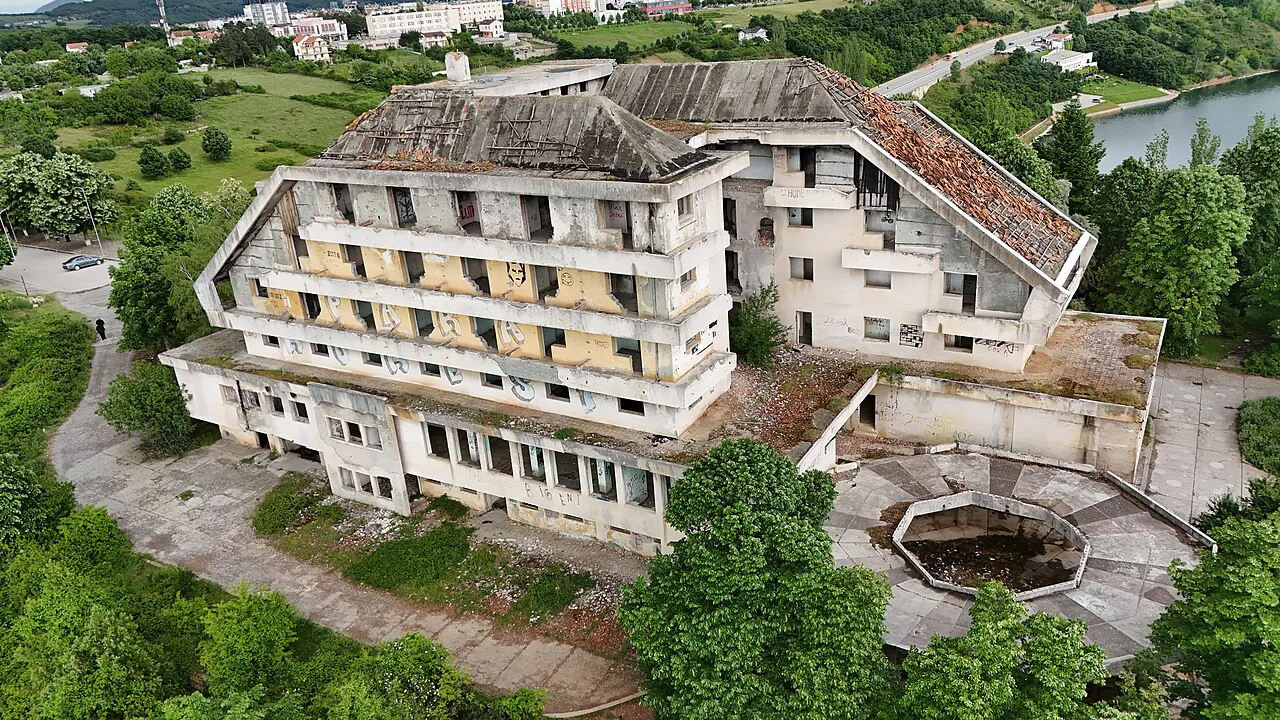
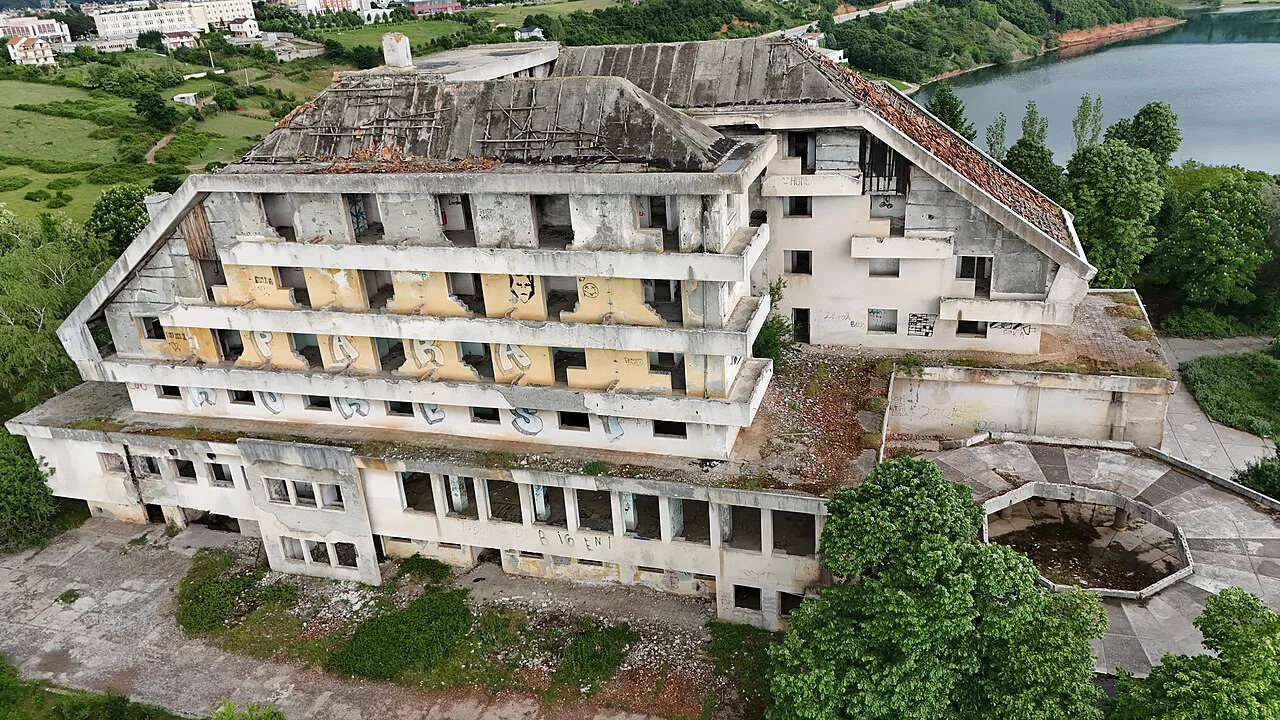
Turizmi i Ri was a large hotel, restaurant and bar built during the communist period, and its shell now stands as a ruin with several claimed owners and no use. It is a quick look rather than a sight in its own right, and there is no interpretation on site. If you are interested in how the building was organised, you will need someone who can explain it; English-speaking locals may help, and your chances improve if you speak some Albanian.
Coffee with a view of the town and Mount Gjallica
For a sweeping town view, take coffee at Sky View, a café set high on a corner of the city with Mount Gjallica as the backdrop. Ask for a window seat to make the most of it. It is a simple pleasure that fits a half-day visit neatly.
Lugina e Drinit for a meal
Lugina e Drinit is the place to eat, with a view that earns its reputation on a clear day and a menu that ranges from international dishes to traditional ones. If you want one local thing, order the blueberry cheesecake, made with berries picked in the surrounding mountains. The restaurant is a known local name rather than a tourist-chain stop, which suits the town's pace.
If you want a savoury regional dish instead, look for flija, a layered pancake-style speciality associated with the Kukës county. Ask at your accommodation where it is being served rather than assuming a particular restaurant has it on the day you visit.
How long Kukës needs
Half a day covers the Ethnographic Museum, the Memorial Tower, a walk along the river and a coffee at Sky View, provided you arrive on a weekday. Add an overnight and you can fit in the lake, Këneta and a relaxed meal at Lugina e Drinit without rushing. The underground city and Turizmi i Ri are bonuses that depend on contacts and curiosity, not fixed stops.
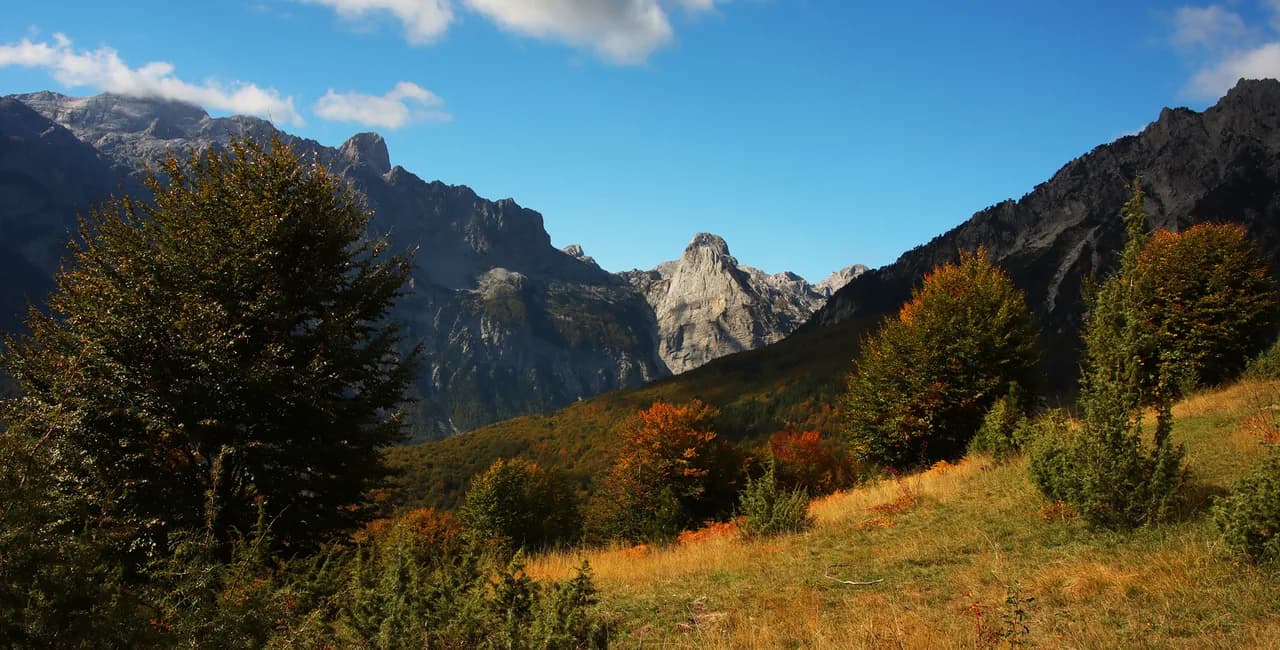
Because the town is short on conventional attractions and the cityscape is not its strong point, most travellers get more from it as a stop than as a base. If you want mountains and long walks, put your time into the Albanian Alps and use Kukës as a staging point between them and Kosovo.
Nearby stops: Prizren, Fierzë and the mountains
Prizren lies about 30 km to the north-east in Kosovo, at 446 m, and makes an obvious next stop if you are heading across the border. In the other direction, Fierzë is about 38 km north-west and sits lower at 245 m, serving as the link to the Komani Lake crossing. Both distances are straight-line readings, so allow more driving time than the numbers suggest.
From Fierzë you can continue into the mountains towards Bajram Curri on the Komani Lake side, or head west to the Valbona Valley for walking country. The Theth valley sits further south-west again, reached by mountain roads rather than quick transfers. Our guides to Bajram Curri and the Valbona Valley set out the practicalities for each.
Should Kukës be a stop or a destination?
Treat Kukës as a stop, not a destination. Half a day on a weekday gives you the museum, the tower, the river and a view over coffee, and an overnight adds the lake, Këneta and a proper meal. If you have no local contact, leave the underground city out of your plans altogether.
The town earns its place on a north-eastern route between Albania and Kosovo, or as a staging point before the Lake Koman ferry and the mountains beyond. Arrive with modest expectations and a weekday morning free, and it will fit neatly into a longer northern itinerary.
Explore more Theth guides
Frequently Asked Questions
Is Kukës worth visiting?
It is worth a stop of half a day or an overnight if you are travelling between Albania and Kosovo or heading for the Komani Lake ferry. The Ethnographic Museum and Memorial Tower, the artificial Fierza Lake and a coffee with a view of Mount Gjallica fill the time comfortably. It is not a place to build a whole trip around, and the underground city is only accessible through a local contact.
What is the population of Kukës?
Population figures for Kukës vary between census rounds and between the town and the wider county, and no single current figure can be given here with confidence. Check the Kukës municipality website or Albania's national statistics office for the latest published count.
Sources
Notes for your Albania trip
Optional updates to our Albania town guides.
You might also like
Continue reading
More guides you'll find useful