Elbasan Castle: what to see and how to visit
Elbasan Castle is a walled quarter in the city centre, built on Roman foundations. Here is what you see inside, how long it takes and how to reach it.
On this page
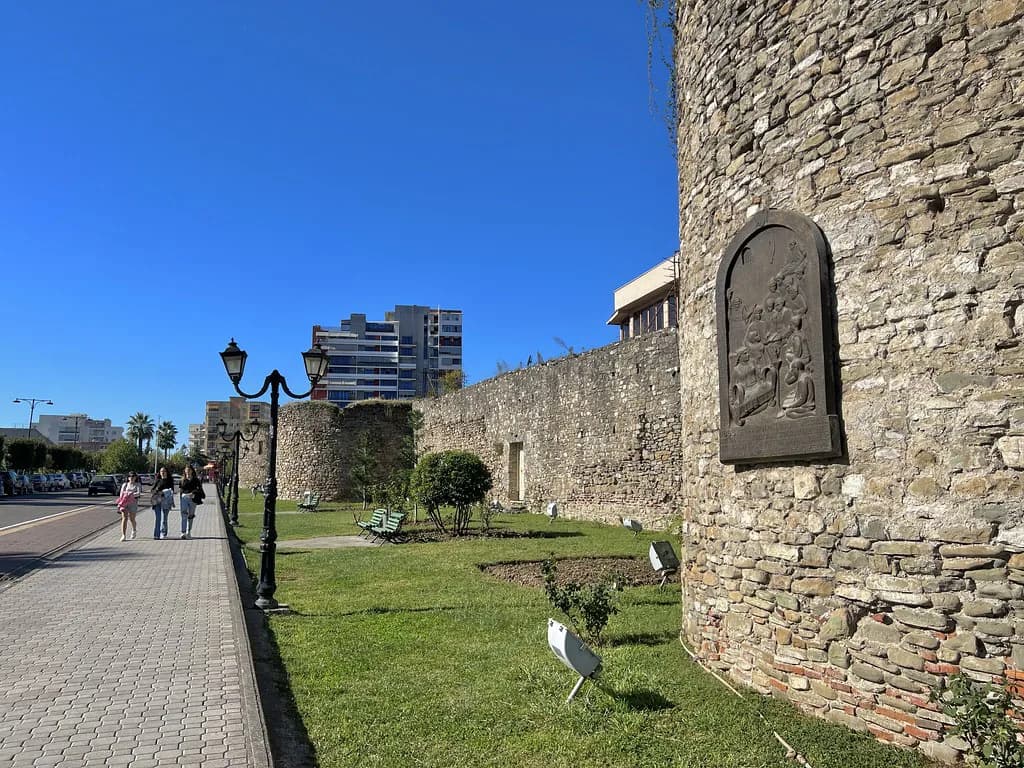
Elbasan Castle is a walled quarter in the centre of the city, and you visit it on foot in around an hour by walking in from the main boulevard. It is not a single monument with a turnstile: the Ottoman walls enclose streets, houses and cafés, so the fortress and the neighbourhood are the same place. This guide covers what stands inside the walls, the Roman and Ottoman layers you can see, how long to allow and how the castle fits into a stop in Elbasan.
The fortress goes by several names, including Kalaja e Elbasanit, and the site sits beside the Shkumbin River. It is often called Neokastron, meaning New Castle, and the walls stand on Roman foundations that predate the Ottoman rebuild. That layering is the reason to look at the masonry as you walk rather than treating the gate as a backdrop.
What Elbasan Castle is and why it sits inside a living city
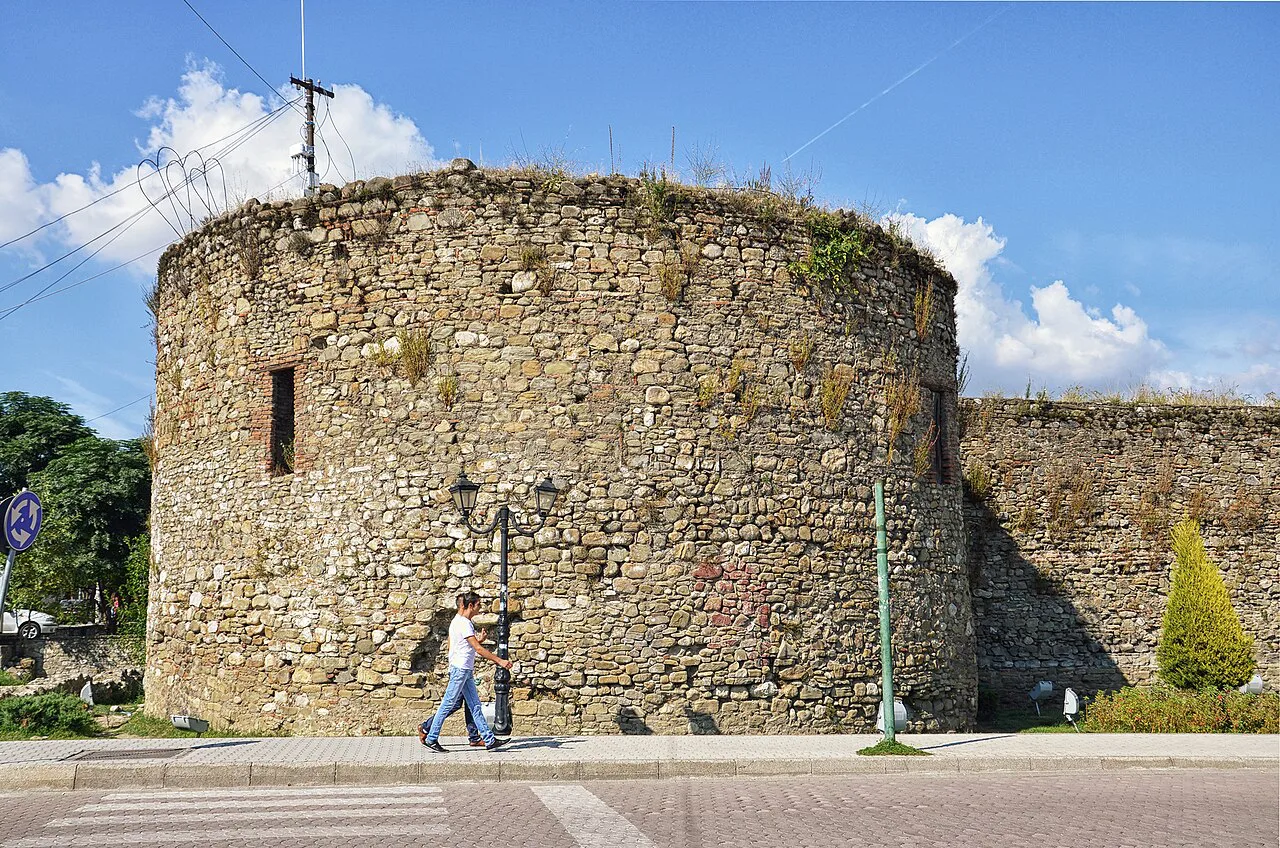
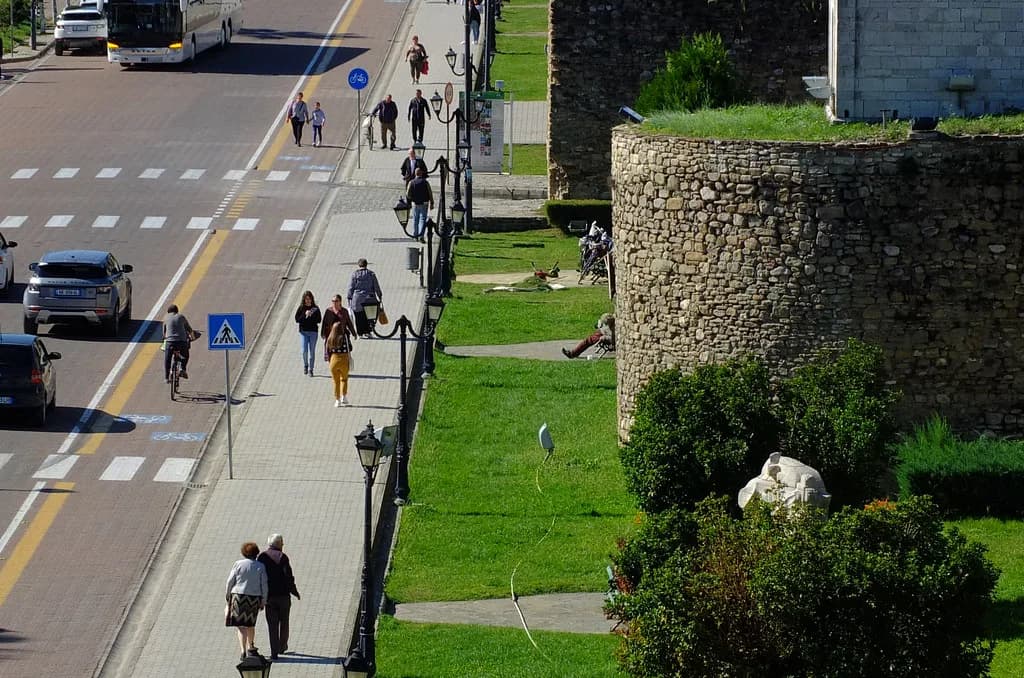
The castle occupies the middle of Elbasan rather than a separate archaeological zone, which shapes how you visit it. Walls, gateways and a clock tower stand among ordinary streets, and residents pass through the same entrances as visitors. Treat it as a quarter to wander rather than a single monument on a hill.
Its position on the Shkumbin River explains why the site mattered: the fortress controlled movement through the town and the routes around it. For orientation, think of the castle as the anchor of the centre, with the modern shopping streets immediately outside the walls. That makes it easy to combine with the rest of the centre on the same walk.
Where the castle is and how to walk in from the centre
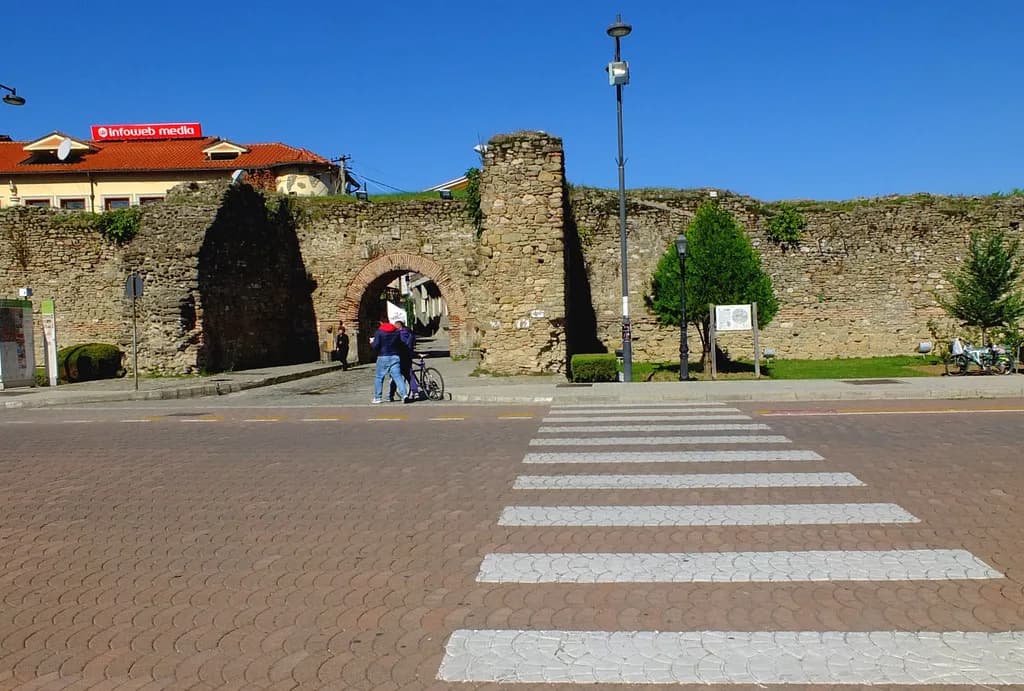
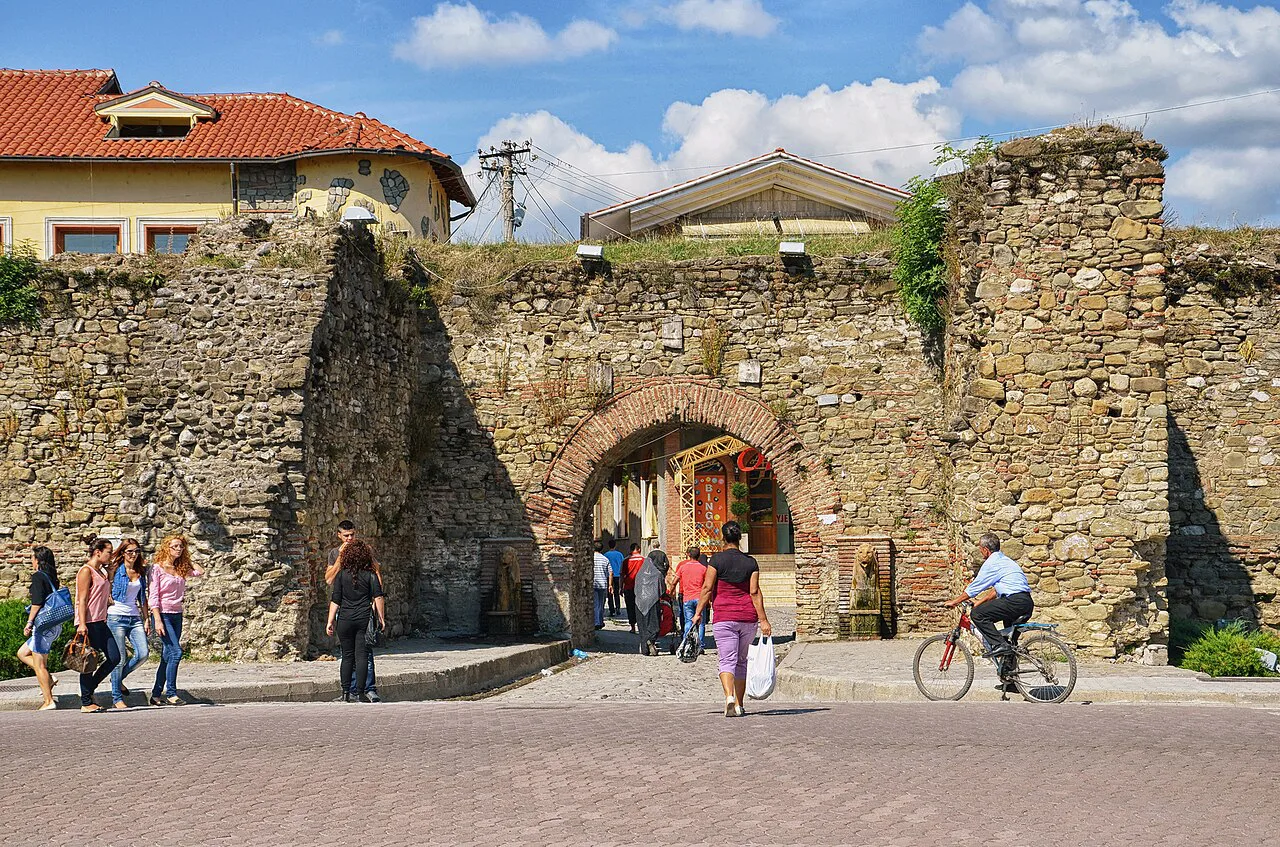
The walls stand in the city centre, so you reach the gates on foot from the main streets without needing transport. Walk towards the old quarter and follow the line of the walls until you find an open gateway; the fortified entrances are themselves part of the structure worth looking at. Once through, the cobbled paths inside the grounds take over from pavements.
If you are coming from the boulevard, the castle is a short walk from the shops and cafés of the centre, which is the practical advantage of a fortress in the middle of town. Our guide to the Elbasan old town covers the streets around the walls and how they connect, so you can plan the approach before you arrive.
Roman foundations and the 15th-century Ottoman rebuild
The castle was built in the 15th century by the Ottomans on the foundations of earlier Illyrian and Roman structures. In the 17th century further architectural elements reflecting Turkish influence were added, which is why the walls read as a patchwork of periods rather than a single build. Look at the base of the walls for the older masonry and at the upper courses for later work.
Local accounts describe the site as a Roman foundation around two thousand years old that later served as a military fortress. The two descriptions fit together if you read the castle as a Roman base rebuilt and extended under Ottoman rule. That framing keeps the visit grounded in what you can actually see in the stonework.
What to look for inside the walls: gates, walls, the clock tower and cobbled lanes
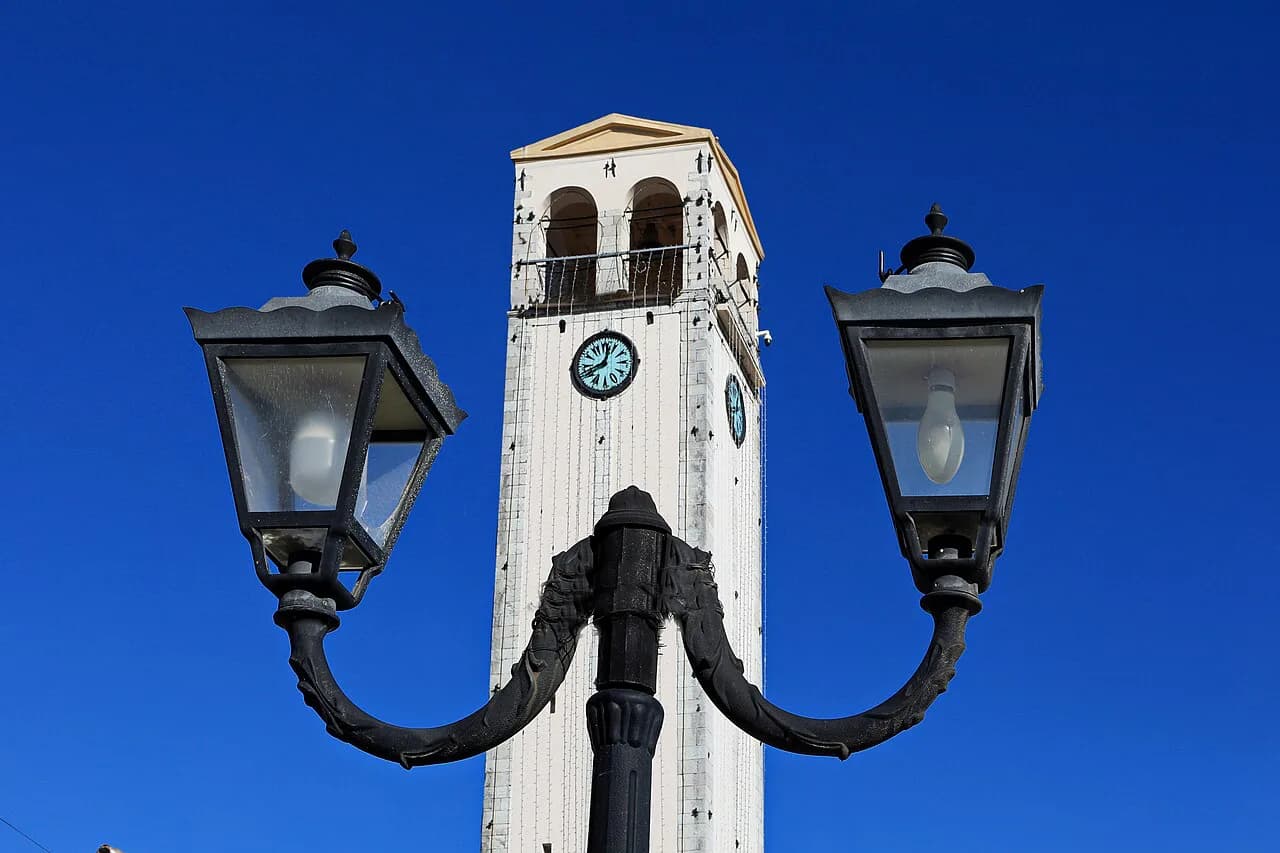
The most recognisable features are the well-preserved walls, the fortified entrance gates and the clock tower, which stands as one of Elbasan's landmarks. The cobbled paths inside the grounds show the military engineering of the period, and they are also the surface you will be walking on. Give the clock tower its own stop rather than passing it on the way to somewhere else.
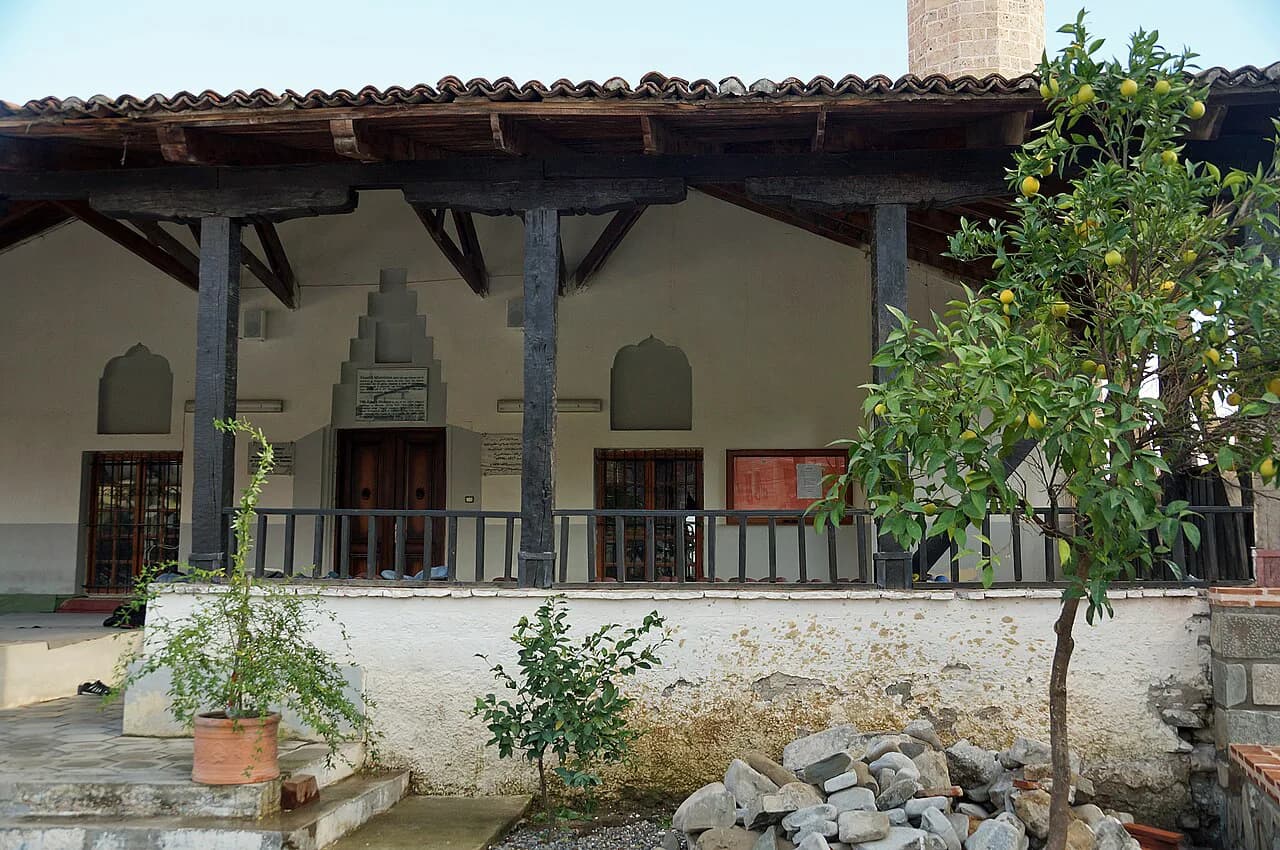
The Elbasan Clock Tower and the King Mosque (Xhamia Mbret), Elbasan's Ottoman mosque, both sit in the same central area as the castle, so each is a quick stop that adds context to the fortress rather than a separate outing.
The castle as a neighbourhood: houses, cafés and lanes within the walls
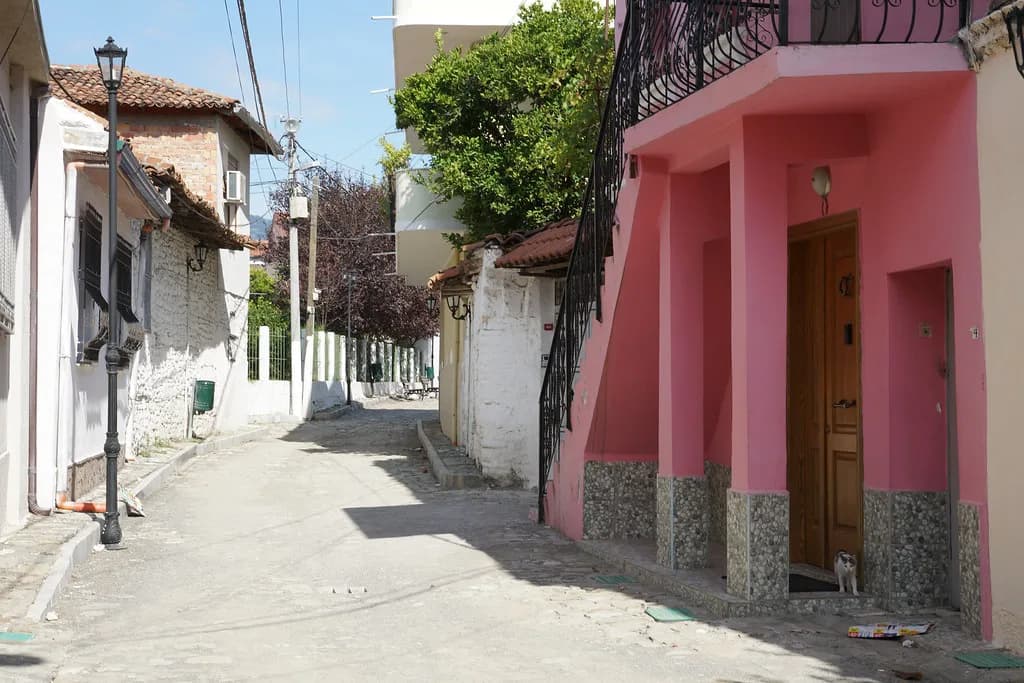
Inside the circuit the streets are lived in, with houses and small businesses lining the lanes rather than a cleared monument. That is the pleasure of the site: you get a sense of how the old core of Elbasan works while you walk through it. Keep your pace slow and your voice low near doorways, since these are people's homes.
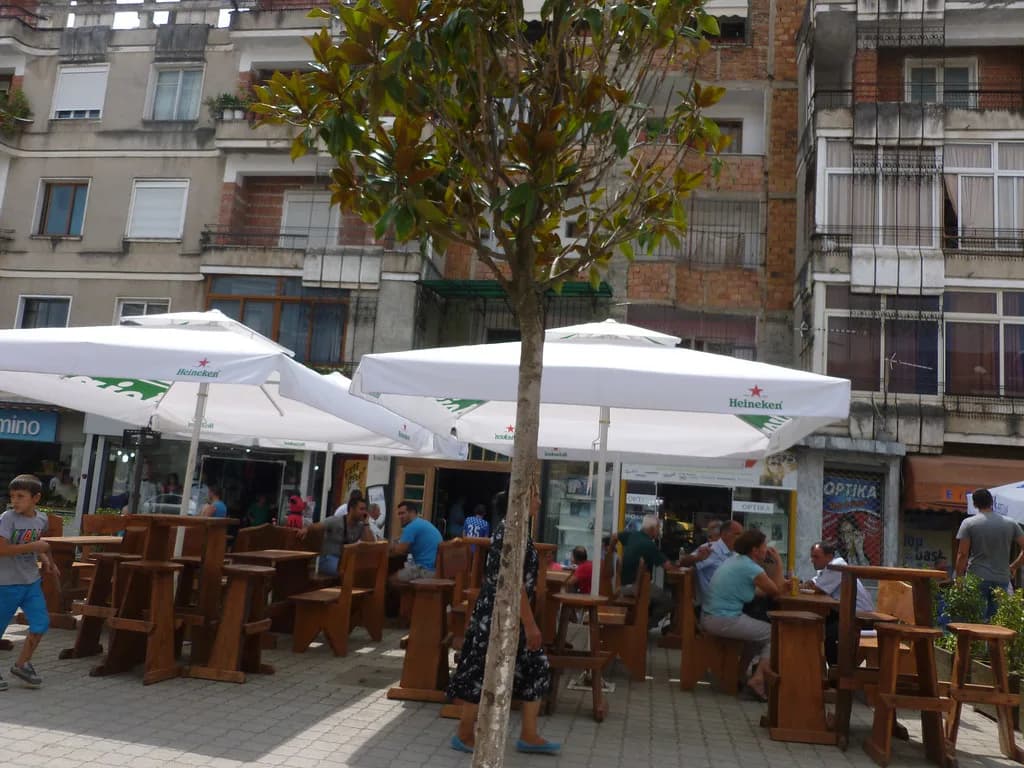
When you want to eat, the lanes and streets just outside the walls give you the widest choice, and our pick of the best restaurants in Elbasan covers where to stop for a proper lunch. Eat after the walk rather than during it so you are not carrying bags through the gates.
How long the visit takes and when to go
Allow around an hour to walk the lanes, look at the walls and gates and reach the clock tower area at an easy pace. Add time if you want to stop at the King Mosque or sit in a café, and plan for slower going on the cobbles. The castle works well as a morning stop before the day heats up.
The site is compact enough to fit around other sights in the centre rather than consuming a whole day. If you are building an itinerary, use the Elbasan map to see how the castle, the old town and the boulevards sit in relation to one another. That saves you walking the same stretch twice in the heat.
Tickets and opening hours
Elbasan Castle is a walled quarter rather than a single ticketed monument: you walk in through the gates from the city centre, and the lanes and entrances are shared with residents and businesses, so which gate is open can vary. Check at the entrance when you arrive rather than relying on an old note.
Because the castle sits inside a working quarter, the gate you use and what you can reach can vary with how the lanes are being used on the day. Arrive with enough daylight to walk the walls and reach the clock tower, and keep some cash in lek in case you stop somewhere that does not take cards.
Getting to Elbasan from Tirana or Durrës, and onward to the castle
Elbasan sits on the main corridor east of Tirana and inland from Durrës, so it works as a stop on the road rather than a detour. Coming by car gives you the most flexibility, since you can park near the centre and walk to the gates. Furgon minibuses and buses run to Elbasan from the capital, and you finish the journey on foot once you reach town.
The road follows the line of the Via Egnatia in Albania, the Roman route that once carried traffic across this part of the Balkans. That history explains why Elbasan grew where it did and why the fortress controlled the crossing. Read up on the Via Egnatia before you travel if you want the landscape to make sense as you approach.
What else to see nearby
Several named sites sit within reach of the castle and combine naturally with a visit to the centre. The Basilica of Saint Nicholas and the Roman Baths are in the town, while Dajti National Park, the Monastery of Saint John Vladimir and Lake Ohrid lie further out and need their own transport. Pick one or two rather than trying to fit all of them into a single day.
For comparing the Elbasan fortress with the bigger castle towns, the walls at Berat and Gjirokastër give you a different experience: both are hilltop circuits rather than a central quarter. Elbasan's advantage is that it sits in the middle of a working city, so you can combine it with ordinary errands, cafés and shopping. That makes it a useful half-day rather than a dedicated excursion.
Practical constraints: heat, uneven surfaces and stepped lanes
The cobbles inside the walls are uneven and can be slippery, so wear shoes with a grip rather than sandals. Summer heat in Elbasan builds through the middle of the day, and the stone surfaces radiate it; start early or come late if you can. Carry water and use the shade where the lanes allow it.
The castle sits in Elbasan, at the heart of the Shkumbin valley. If you are staying longer, the Elbasan map helps you see how the town sits between the mountains and the coastal plain. That makes it easier to judge how much time to set aside for the drive back.
Is the castle worth a stop on the Tirana–Ohrid road?
Yes, if you are already passing along the corridor east of Tirana: the castle gives you an hour inside a living quarter with Roman foundations under Ottoman walls, and the gates open straight off the city centre. It is not a hilltop fortress with a long climb, so it suits travellers with limited time. Pair it with a meal in town and one nearby sight rather than building a day around it.
For the streets immediately around the gates, use the old town guide to plan your approach. Together with the castle itself, that is enough to fill a half-day without rushing. Leave the rest of the region for a longer trip.
Frequently Asked Questions
How long should you spend at Elbasan Castle?
Around an hour is enough to walk the lanes, see the walls and gates and stop at the clock tower. Add time for the King Mosque or a café inside the quarter. The site is compact, so it fits into a half-day in the city.
Is the castle suitable for people with limited mobility?
Expect cobbled, uneven lanes and some stepped ground inside the walls. The walking is short but the surface is not smooth. Pair the visit with the flat streets outside the gates if you need easier going.
Sources
Notes for your Albania trip
Optional updates to our Albania town guides.
You might also like
Continue reading
More guides you'll find useful